
Discover the Land of the Rising Sun during its most beautiful season: the Japanese Indian Summer. In autumn, the natural gods bathe the country in striking shades of red and yellow. Experience Japan-Nippon 日本 in all its facets – from temples, shrines, pavillons, Shinkansen rides, museums, hikes, and the discovery of the mega-metropolis of Tokyo, this trip offers it all. The contrast between long tradition and modernity will inspire you and me.




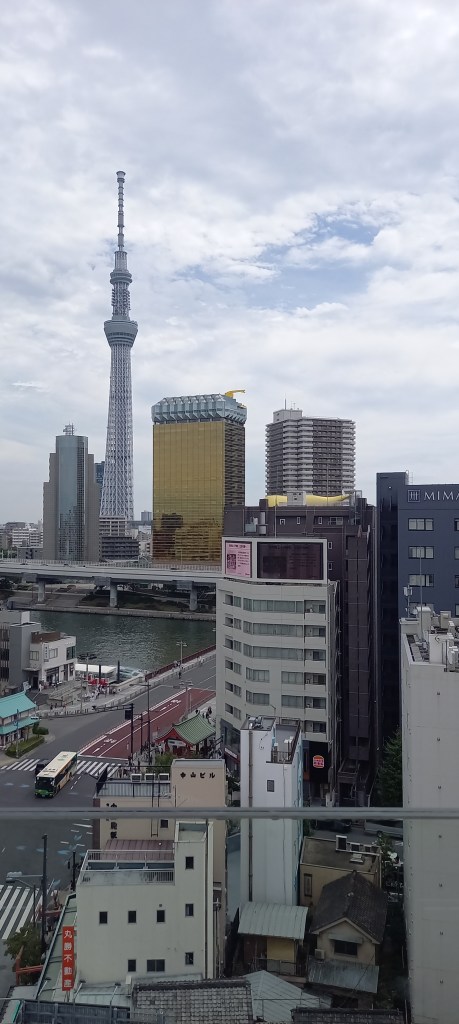
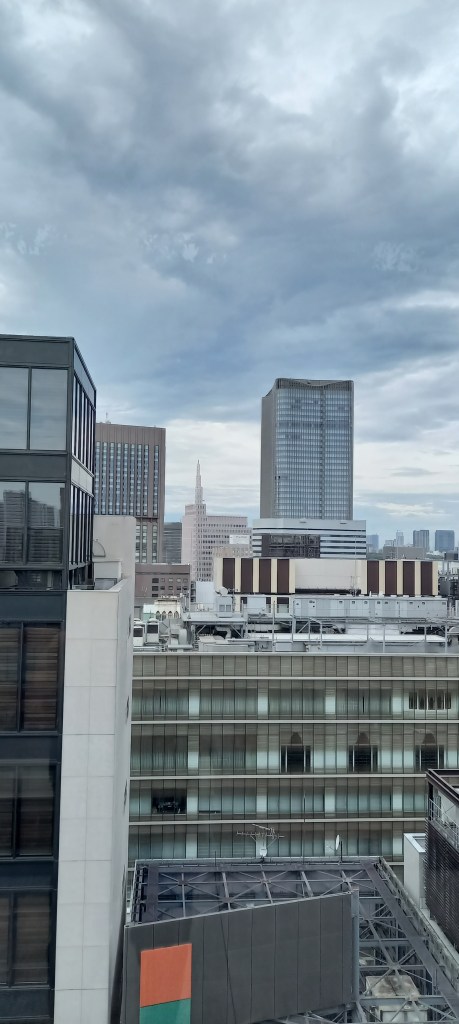

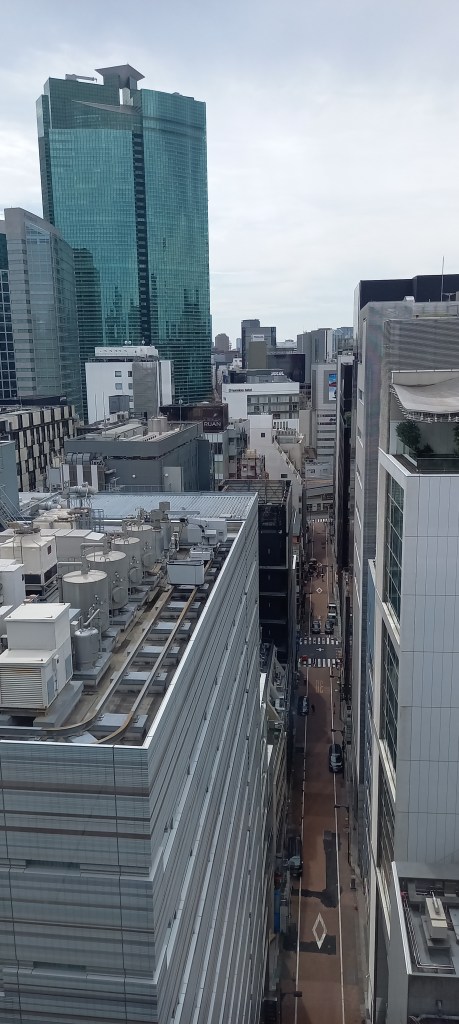
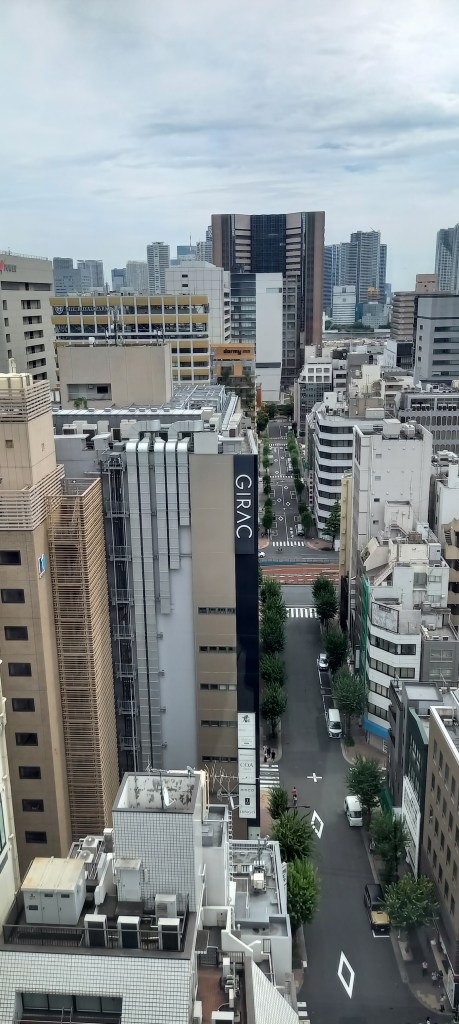




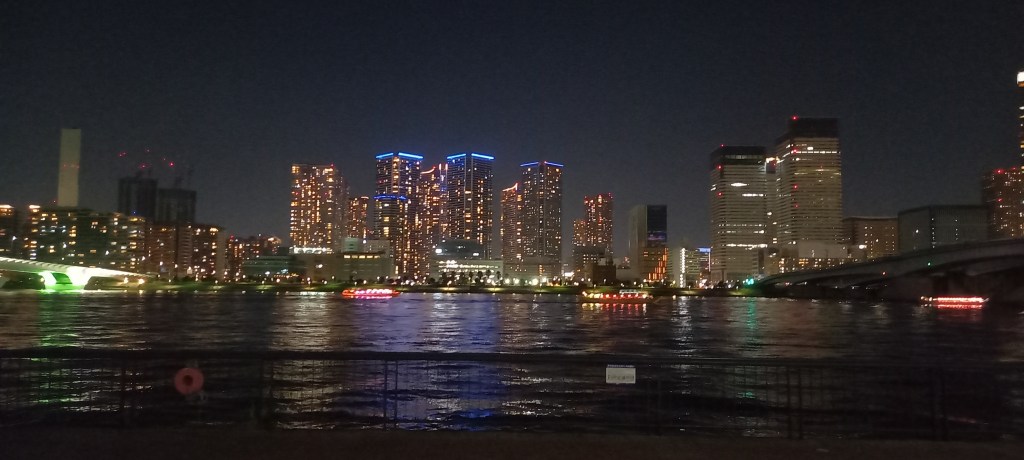
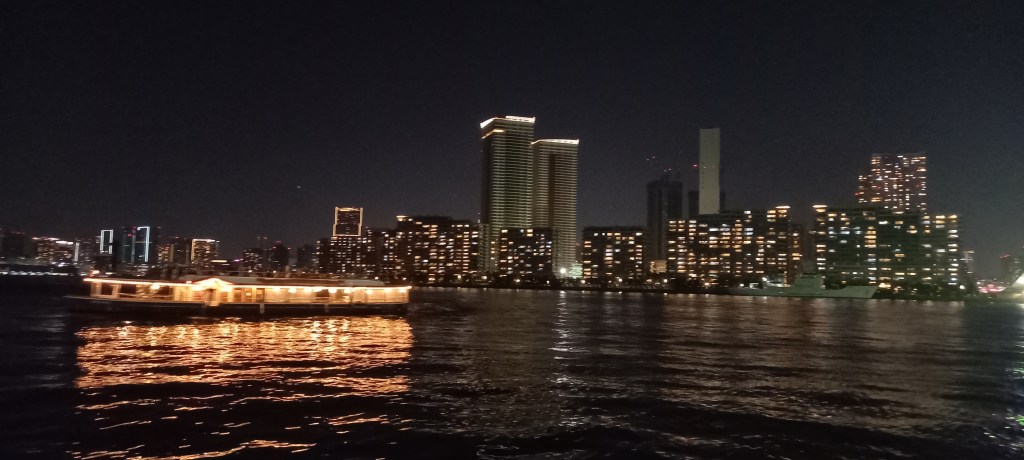

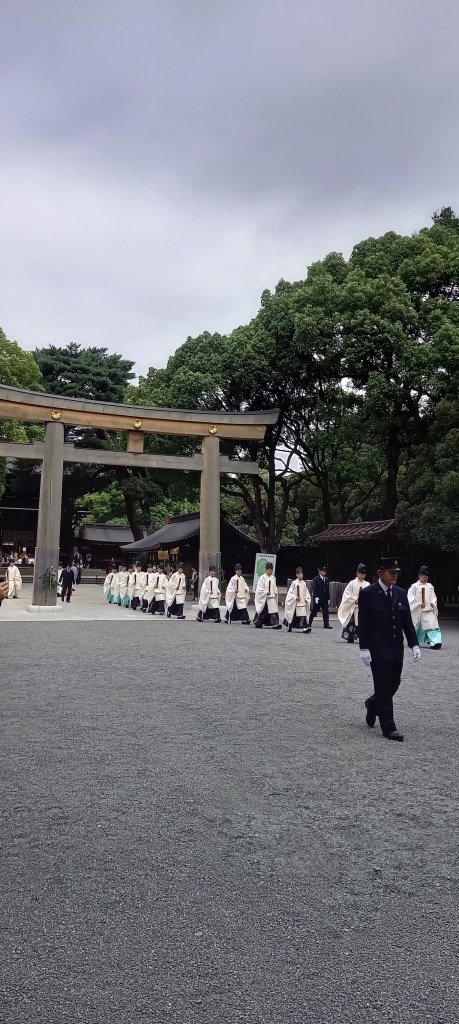

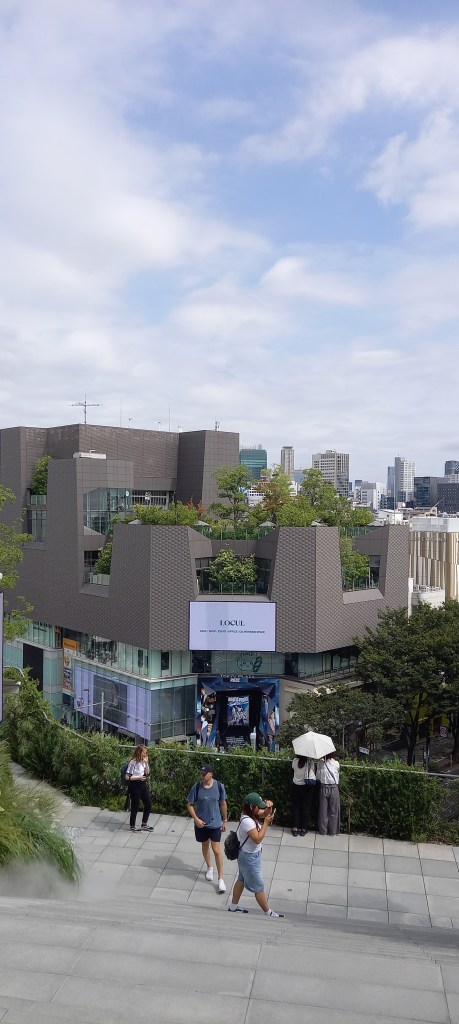

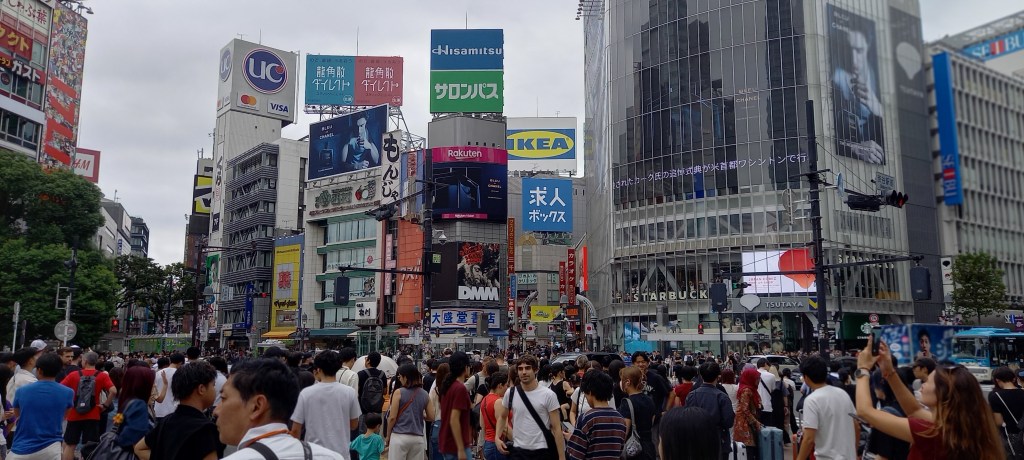

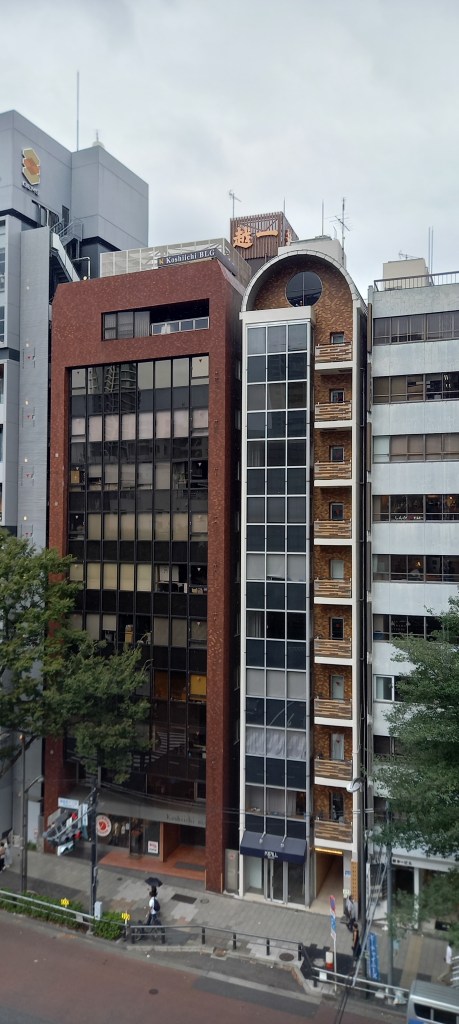
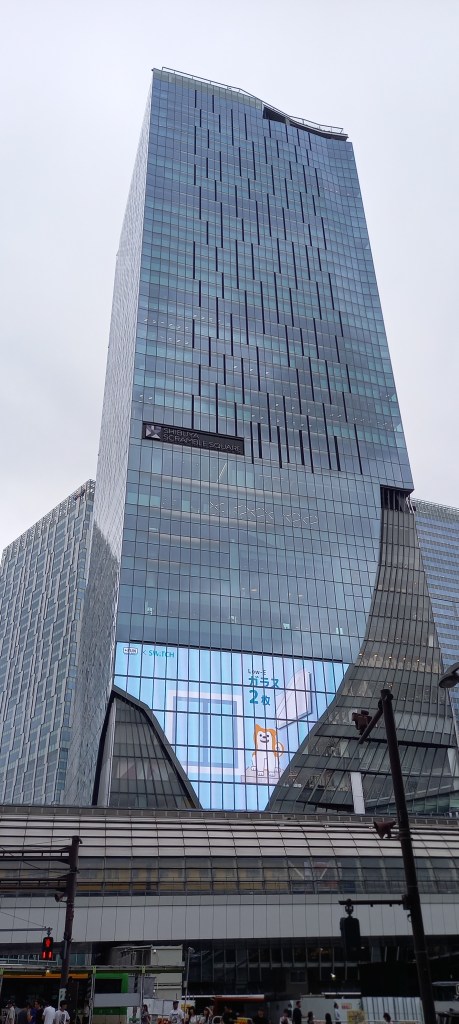
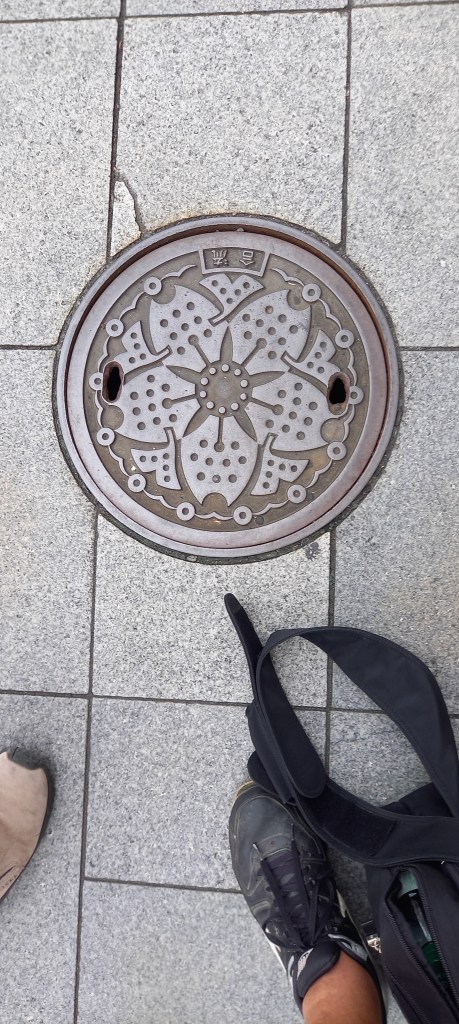

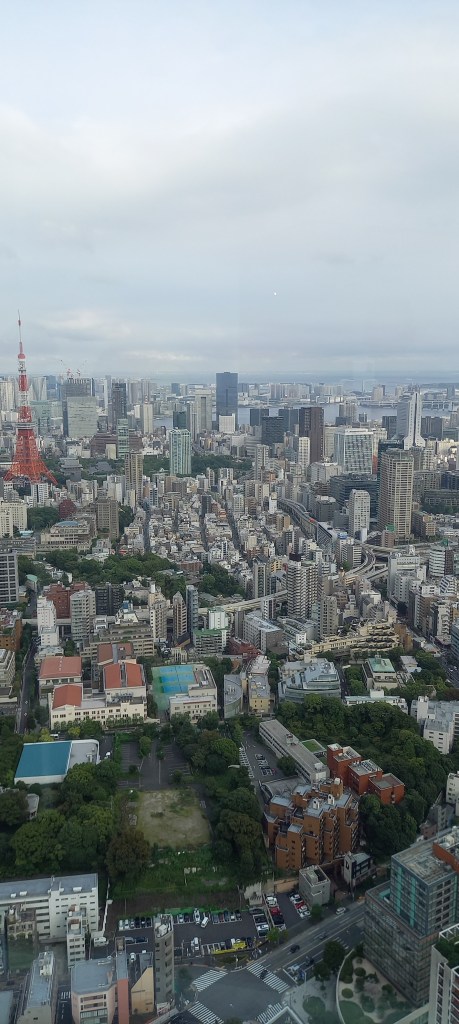
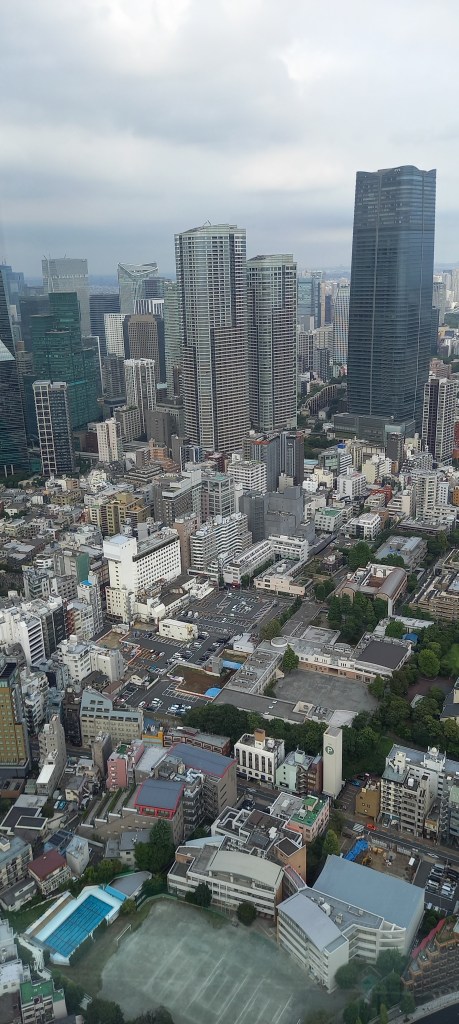
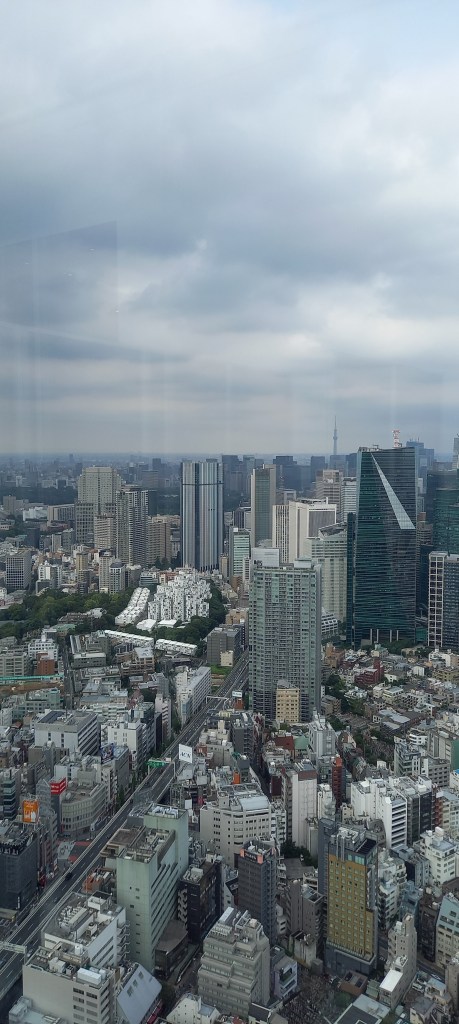
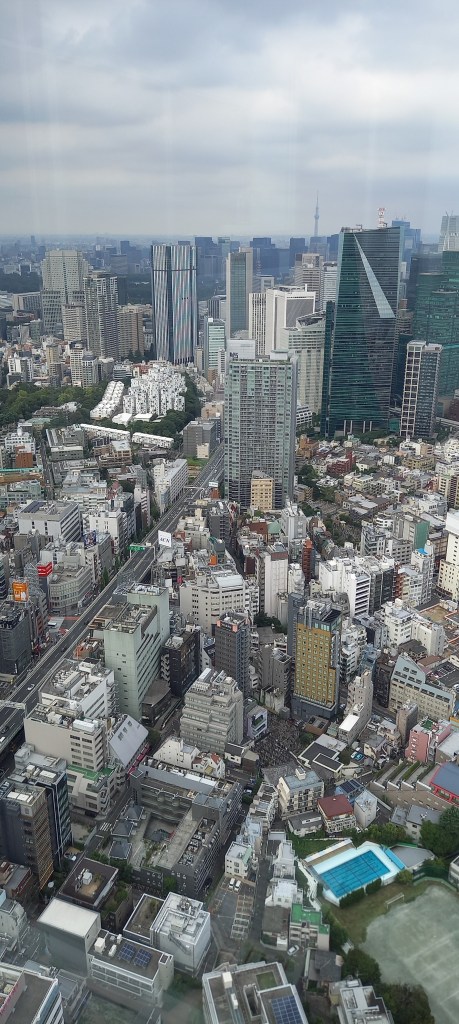
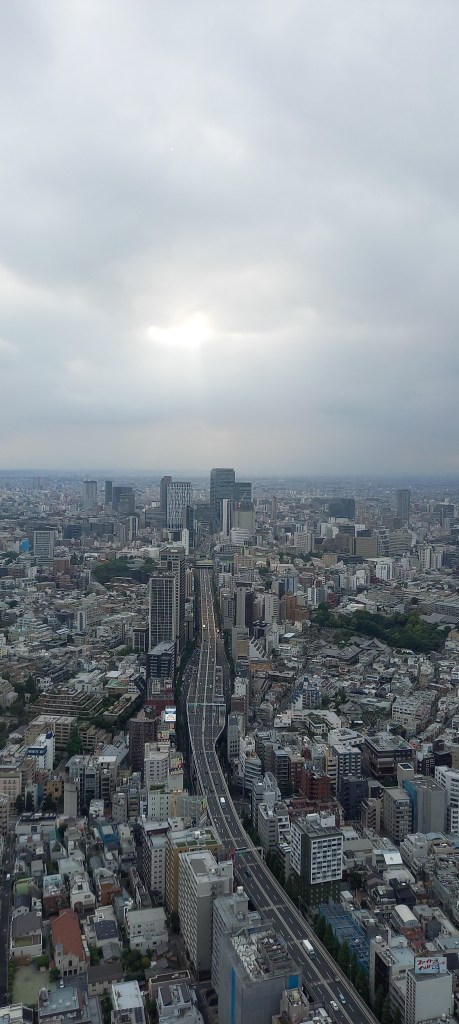
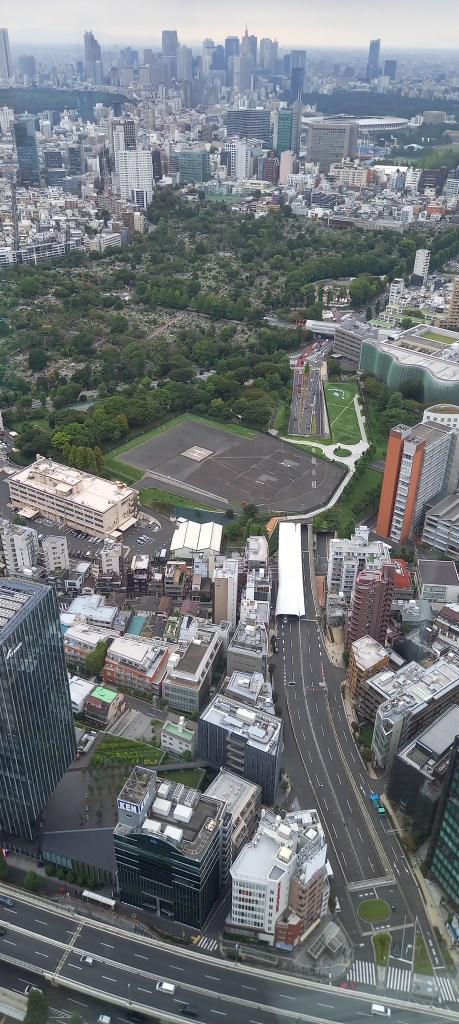
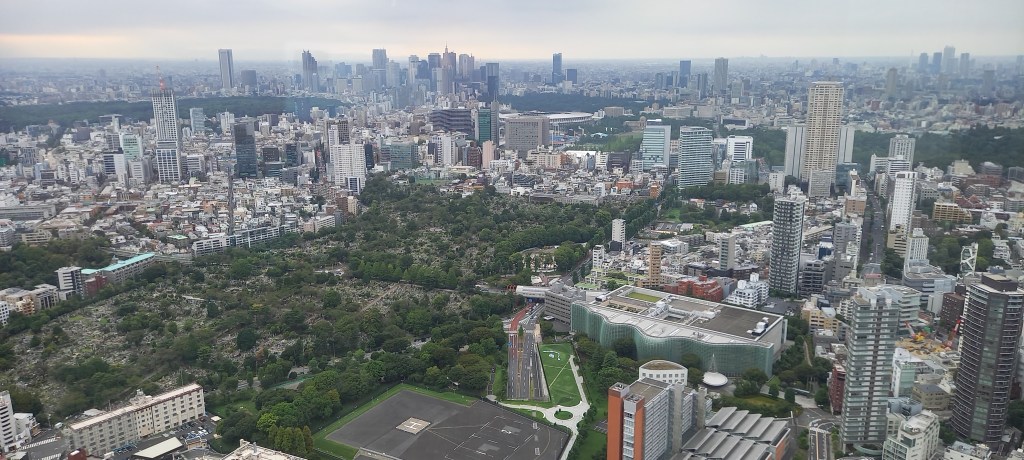

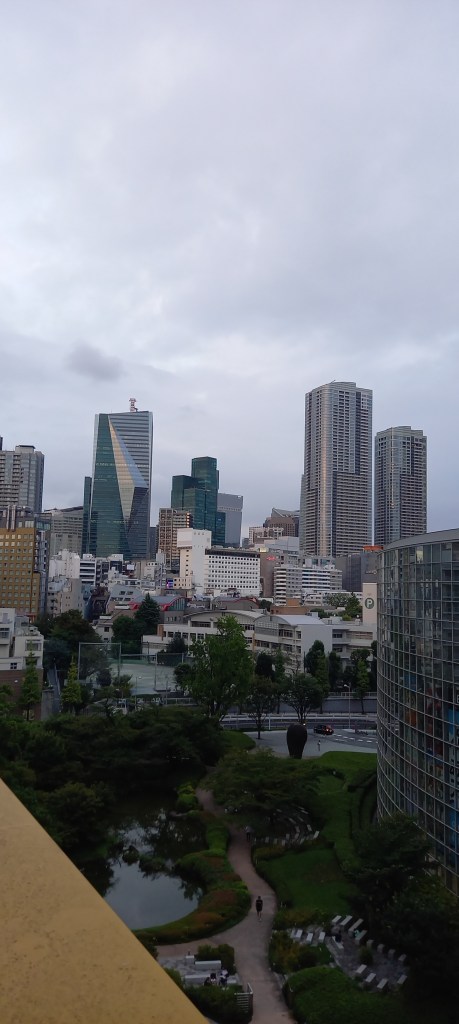
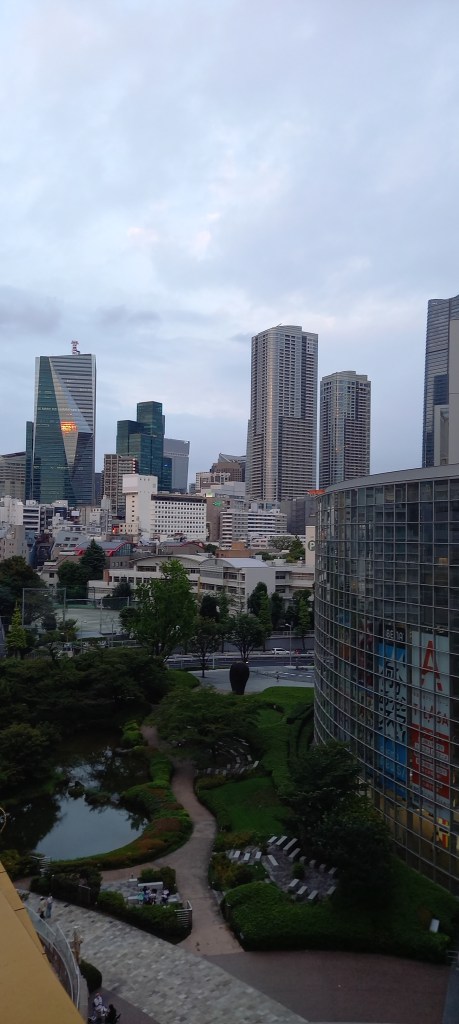
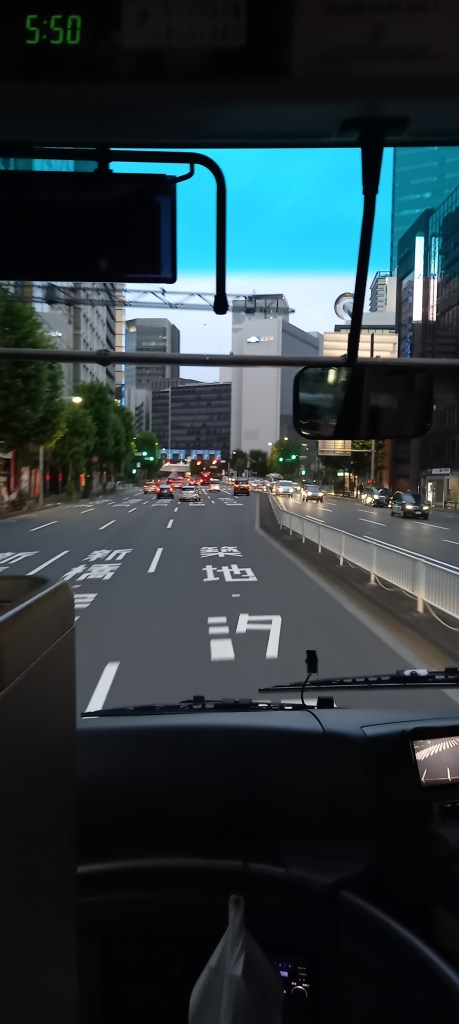
Days 1 and 2 and 3: Welcome to Japan Global Metropolis Tokyo
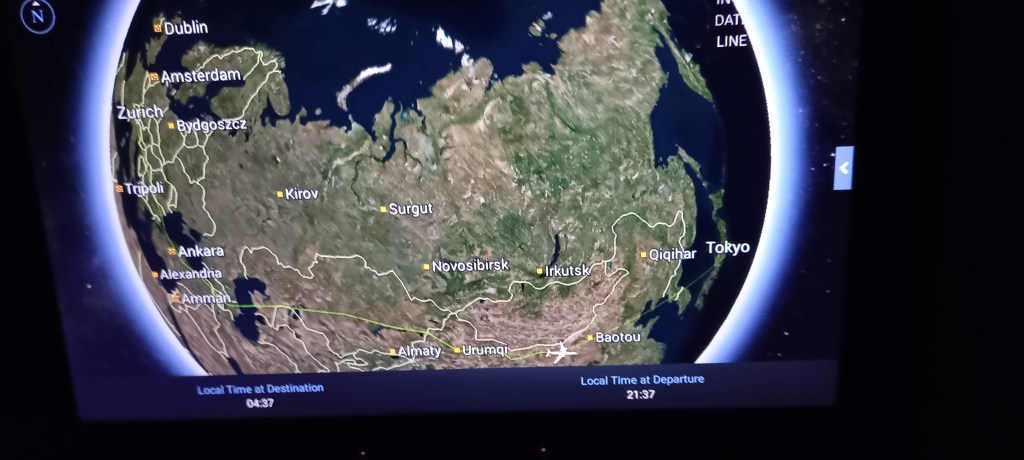
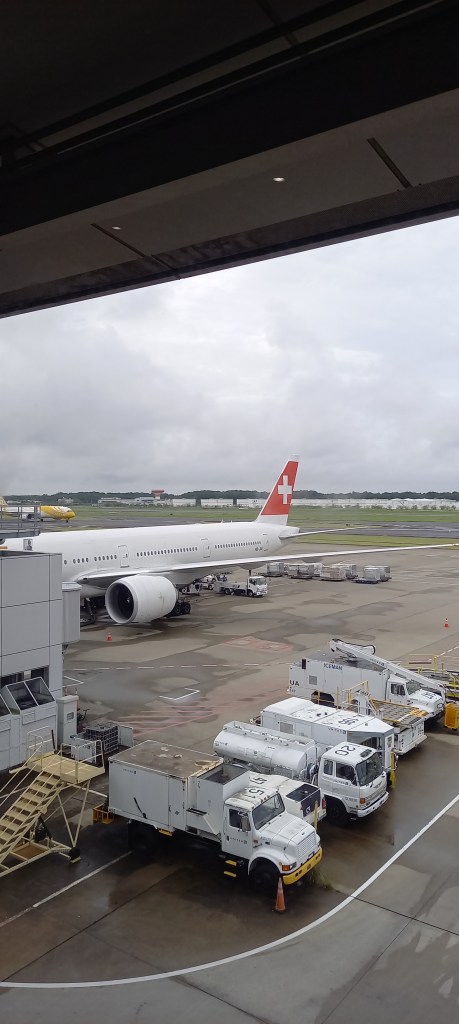
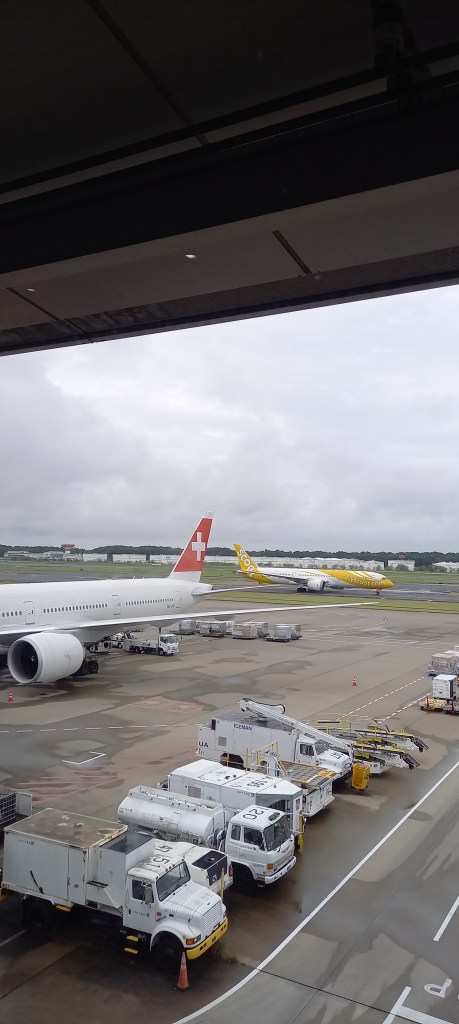
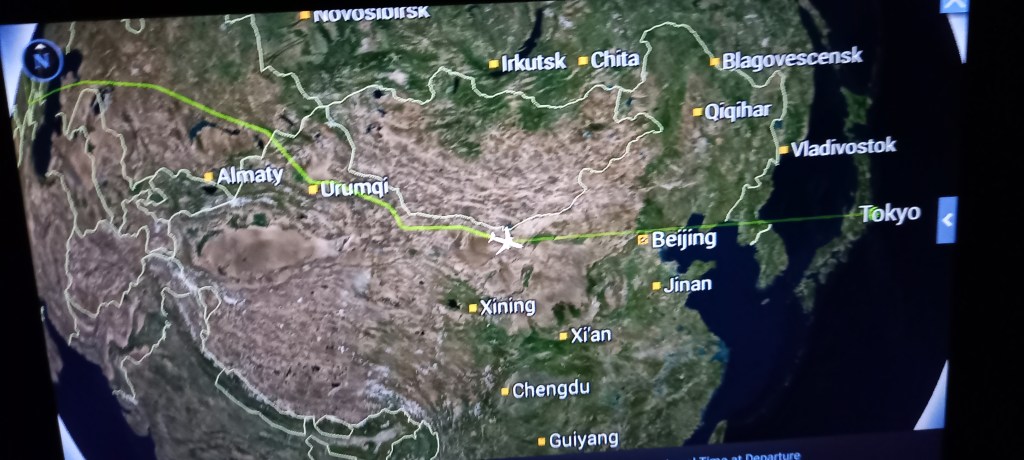
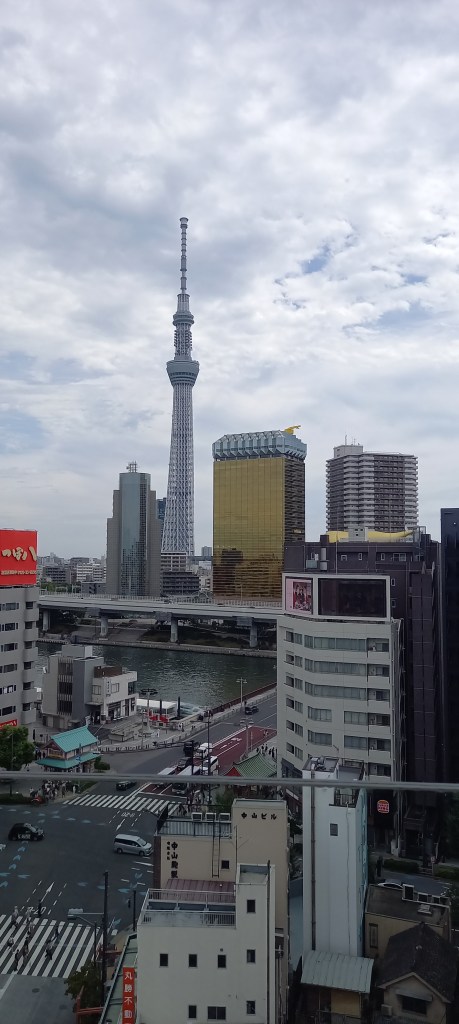
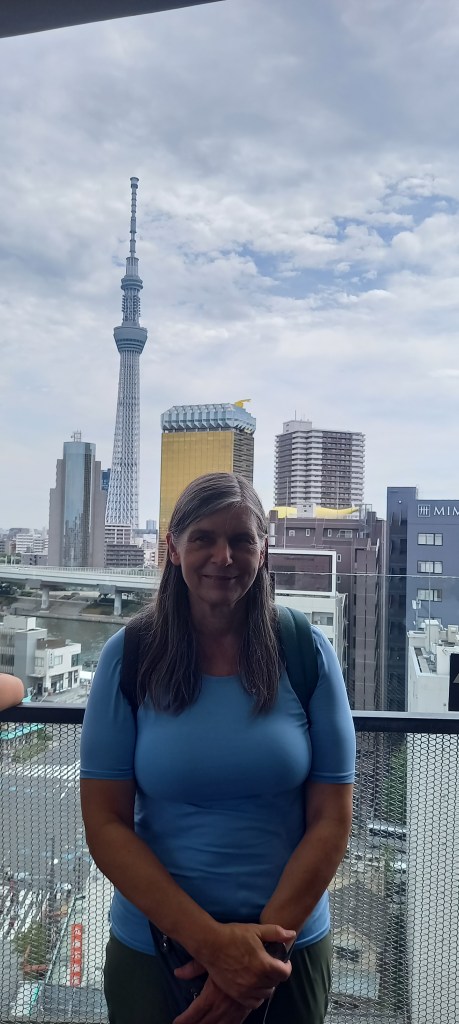
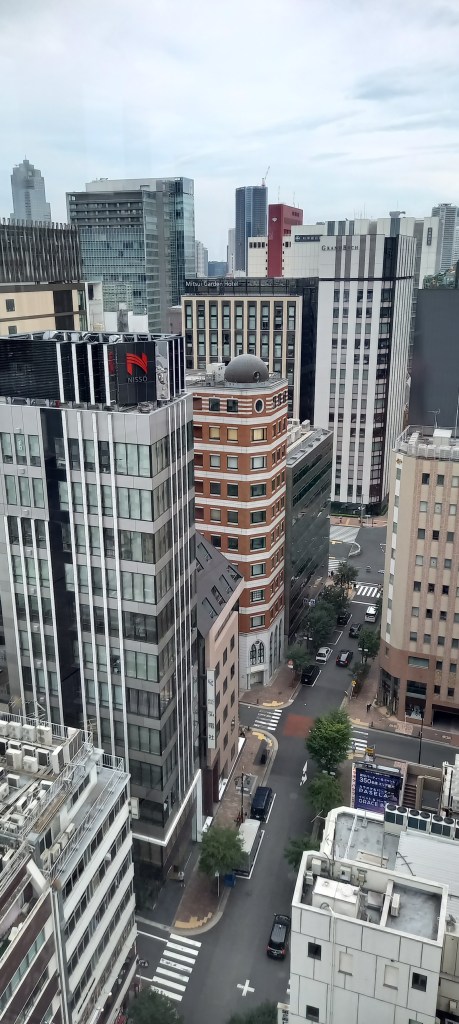
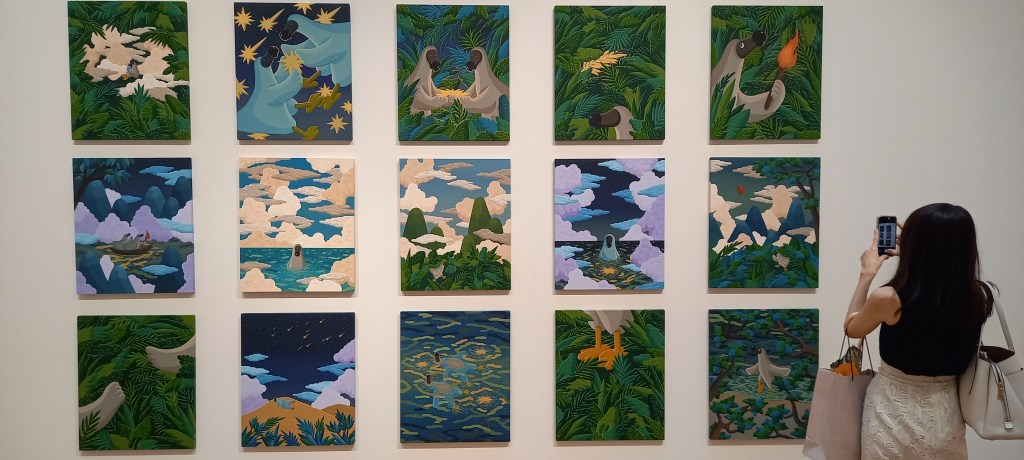
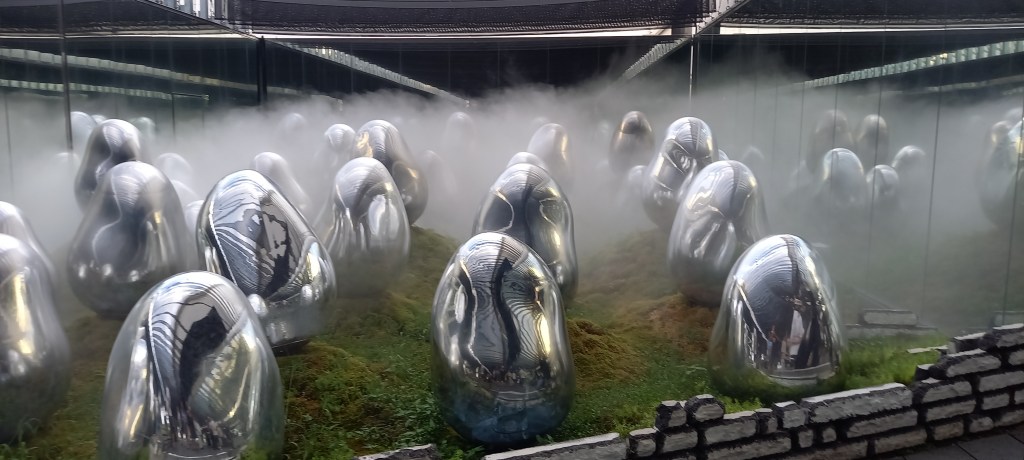
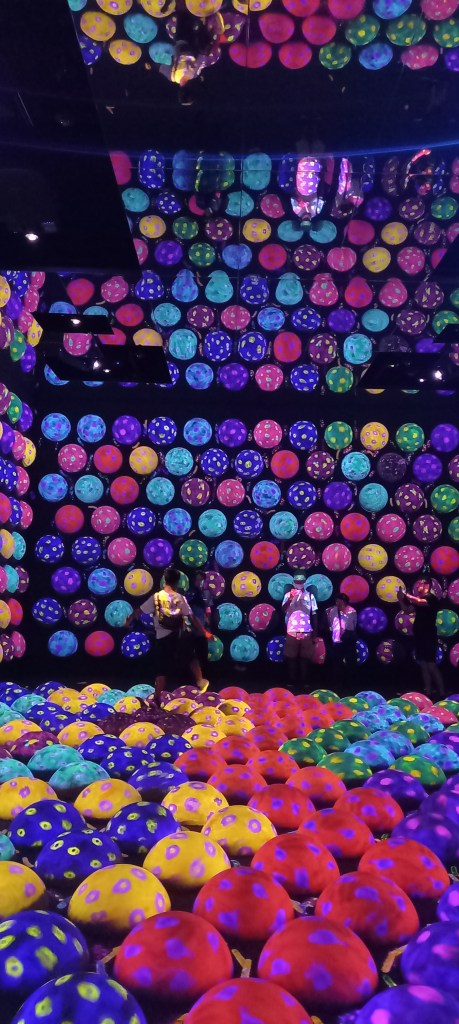
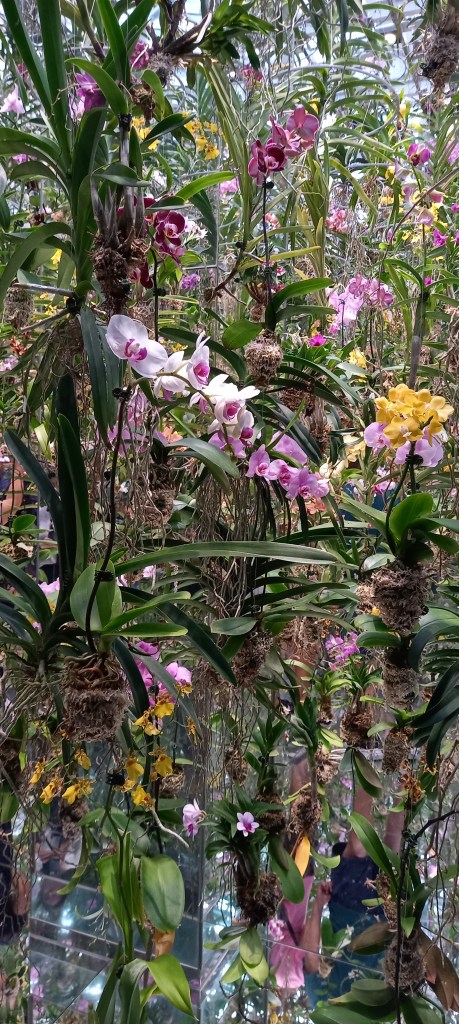
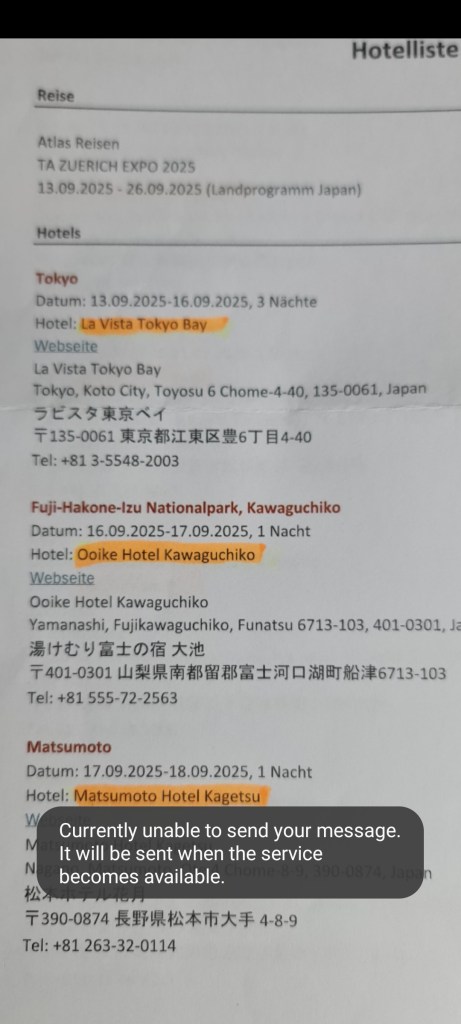
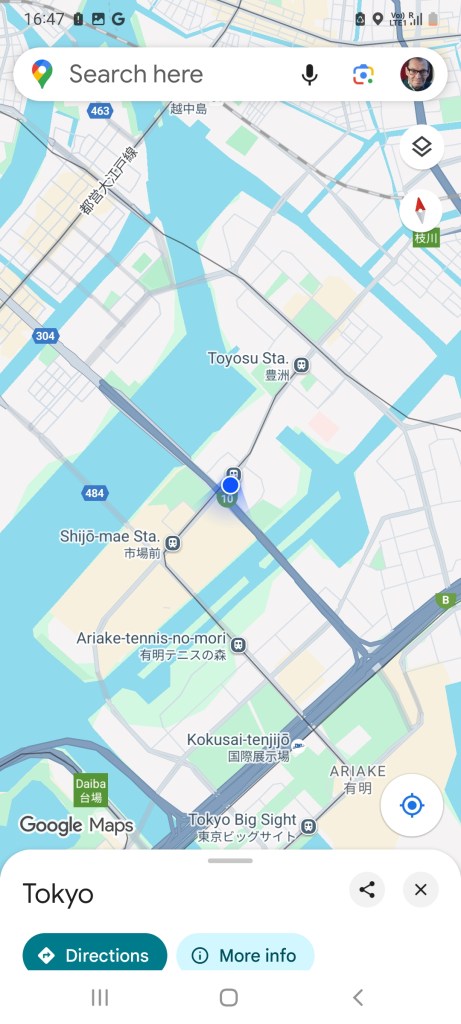
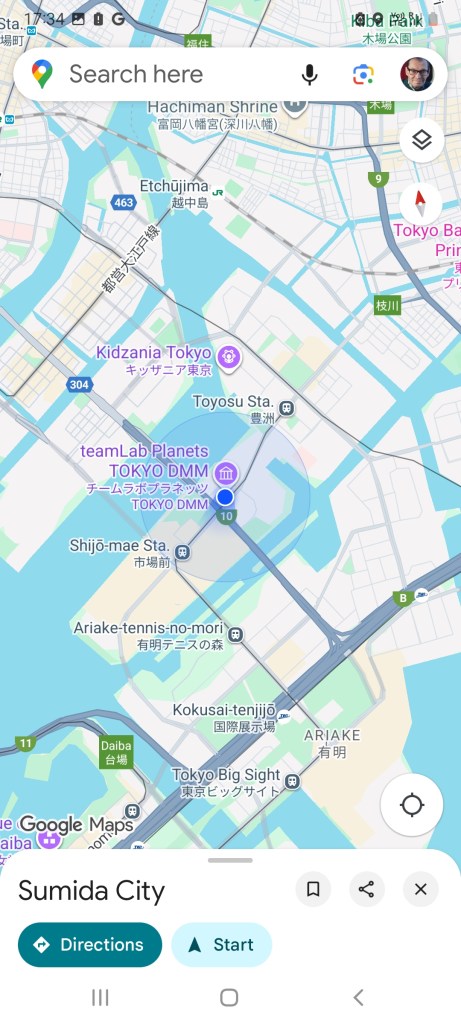
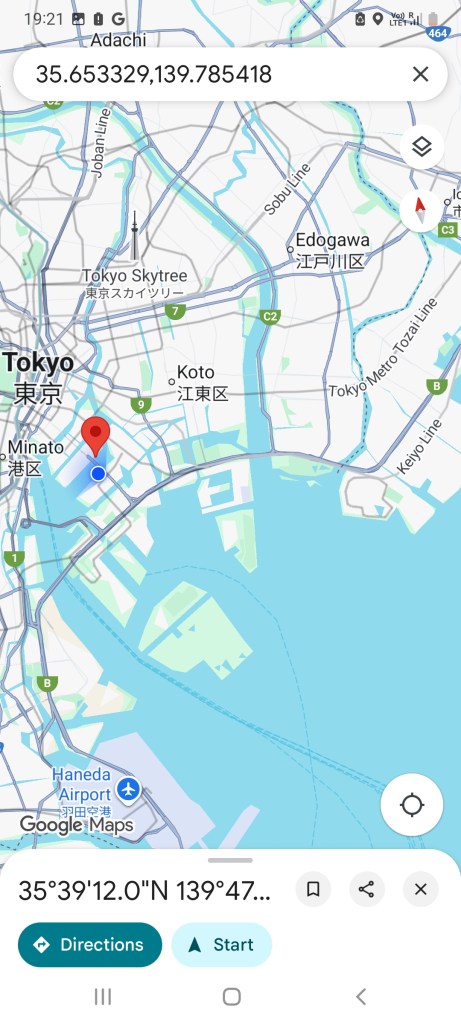
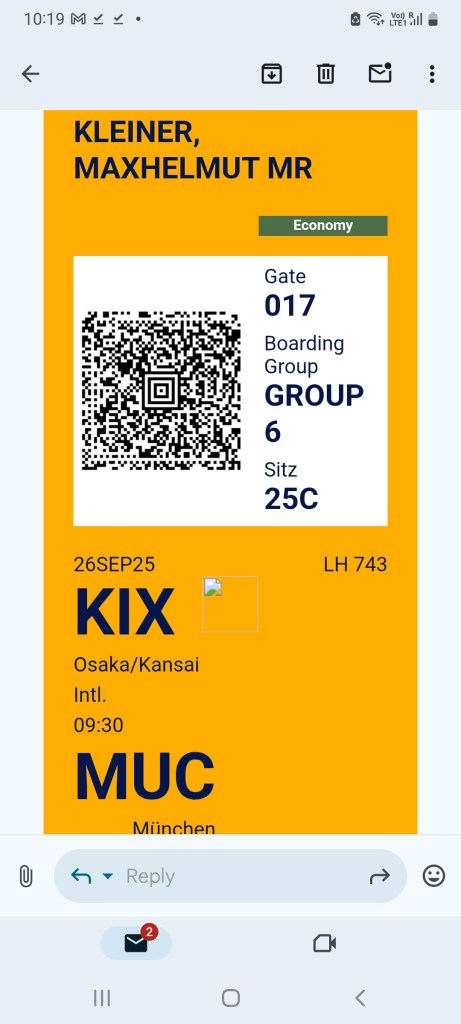
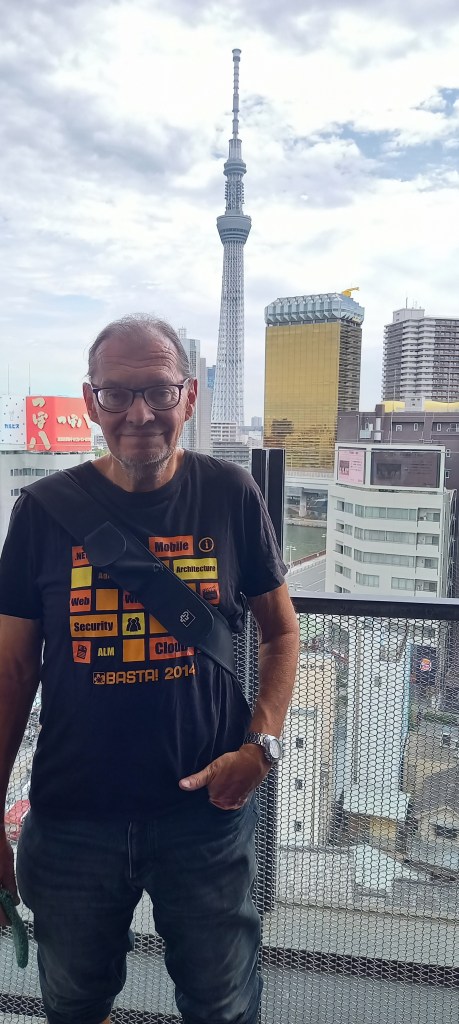
In the morning, depart Zurich via Munich to Tokyo. Transfer to the hotel and enjoy dinner together. After visiting a shogunate garden, discover the interactive art museum teamlab Planets, an absolute highlight!

Day 3: Southern Japan
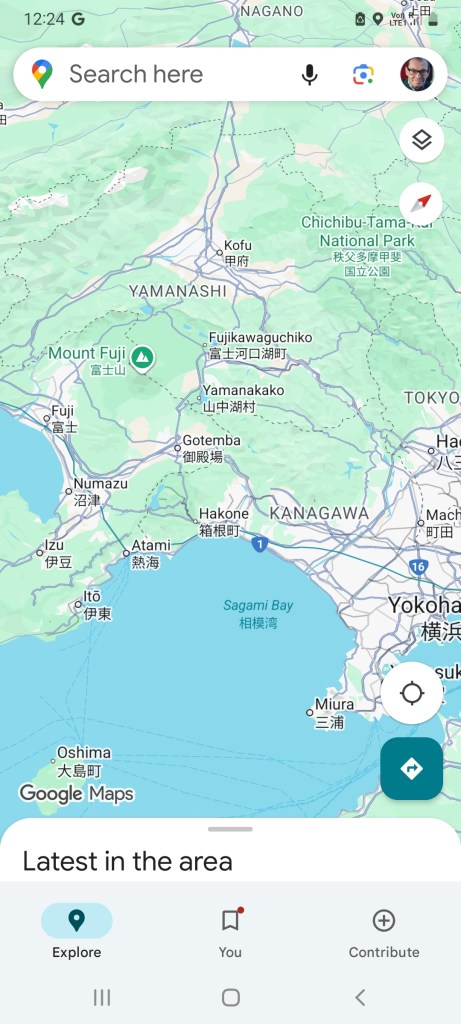
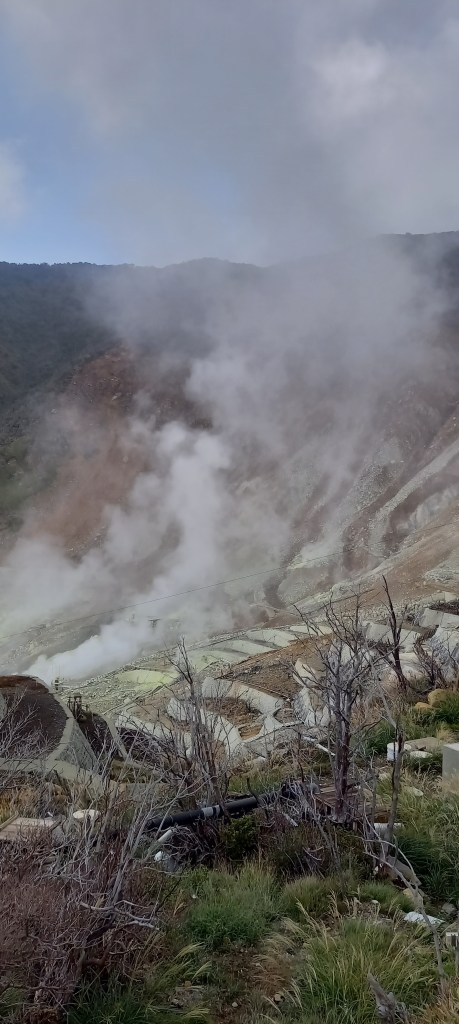
In the morning, you will cross over to the picturesque volcanic island of Sakurajima and Hakone. In the afternoon, you will visit the Sengan-En garden in Kagoshima Bay.


Day 4: By Shinkansen to Honshu and Kyoto
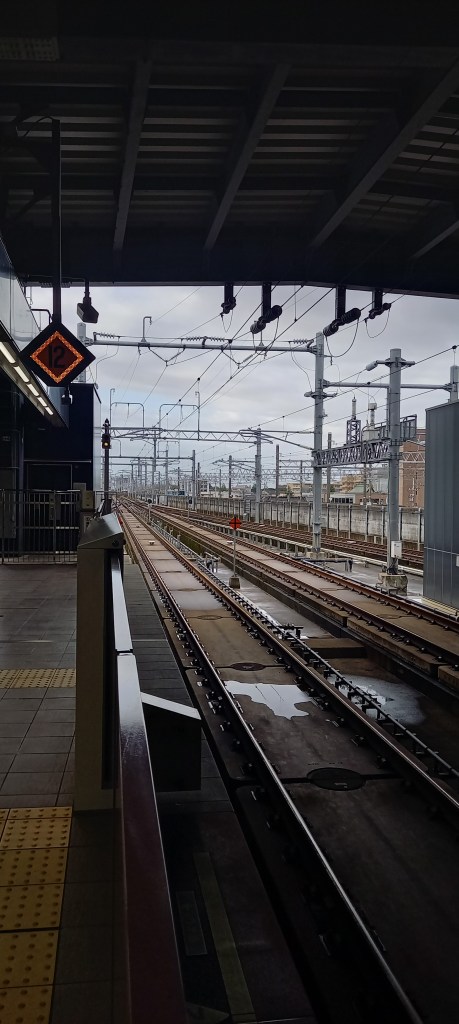
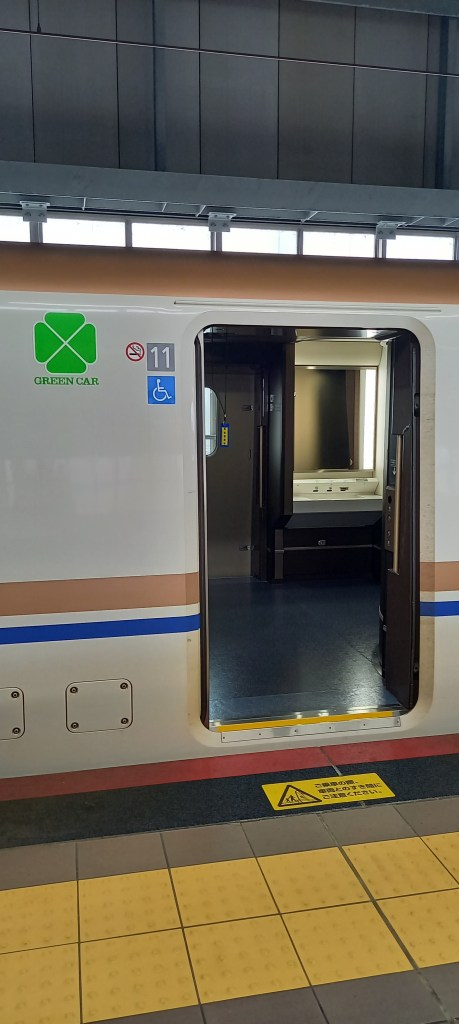
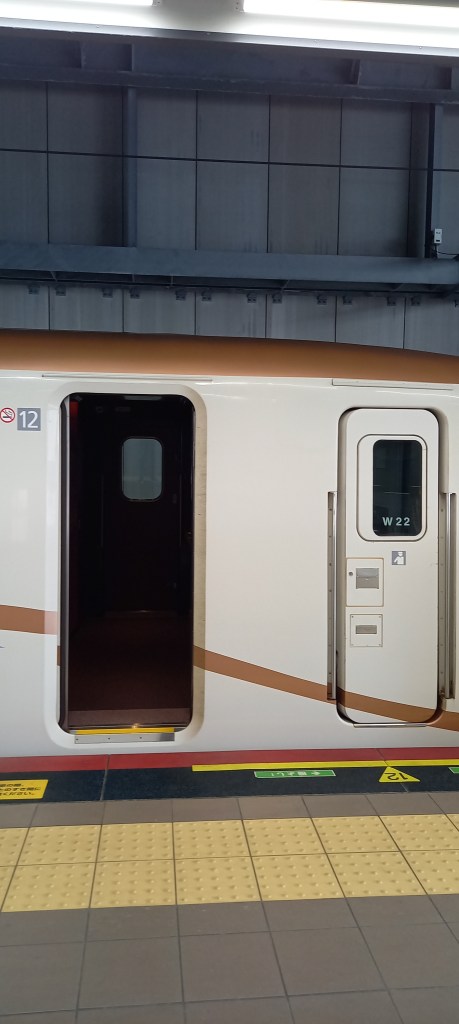
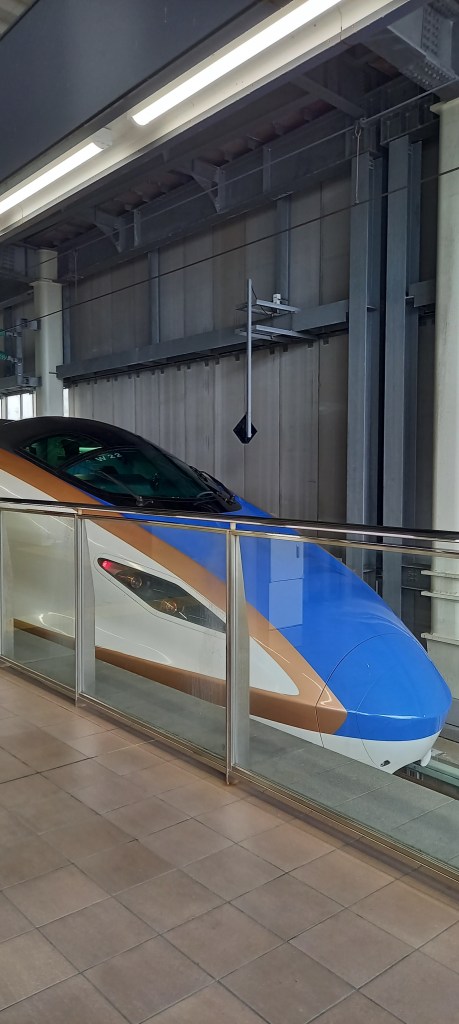
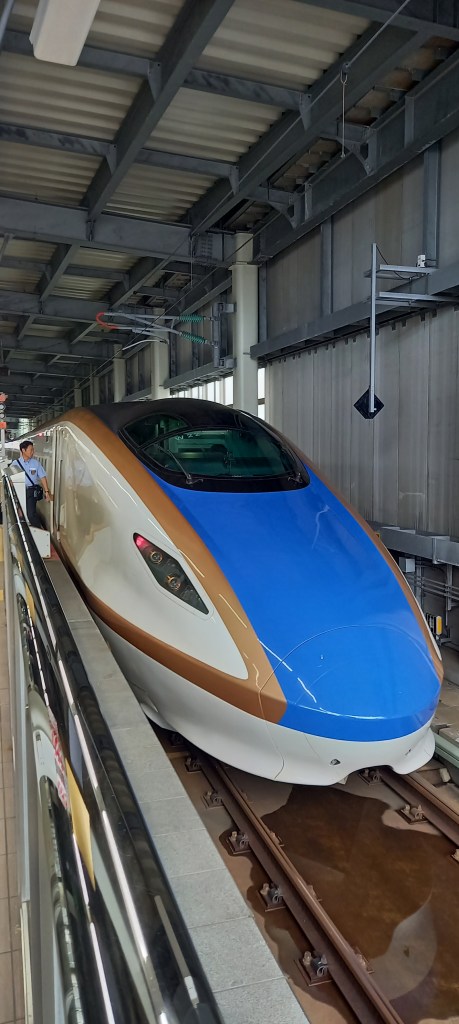
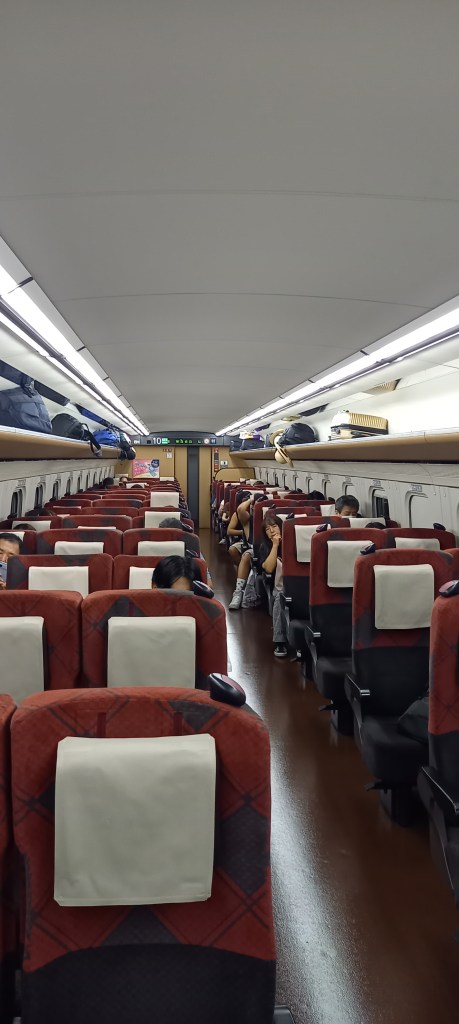
Today, you will take Japan’s super-express Shinkansen train. In just a few hours, you will reach Hiroshima, where one of Japan’s three legendary views awaits you: the Shinto gate standing in the water on Miyajima.







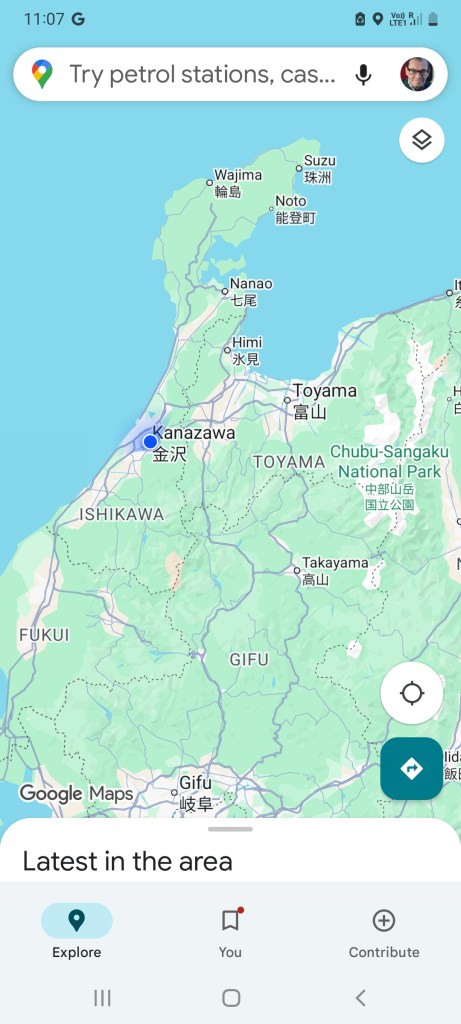

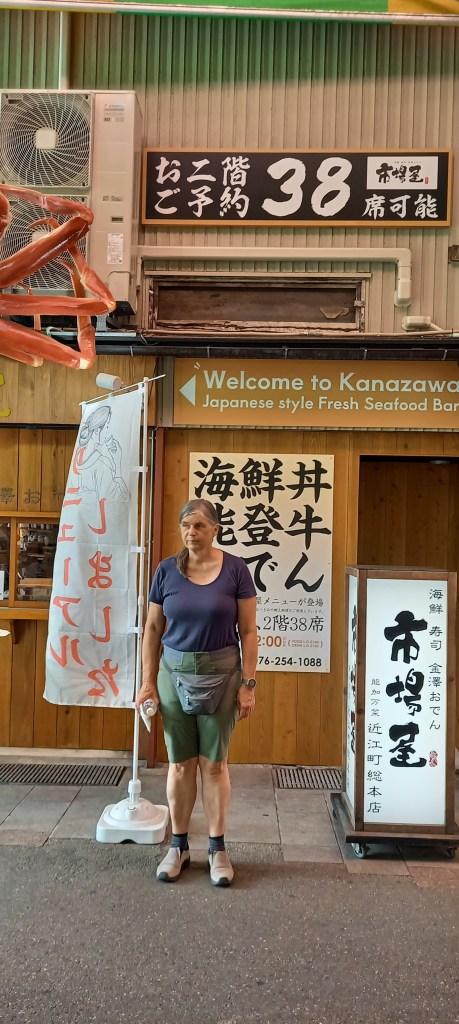
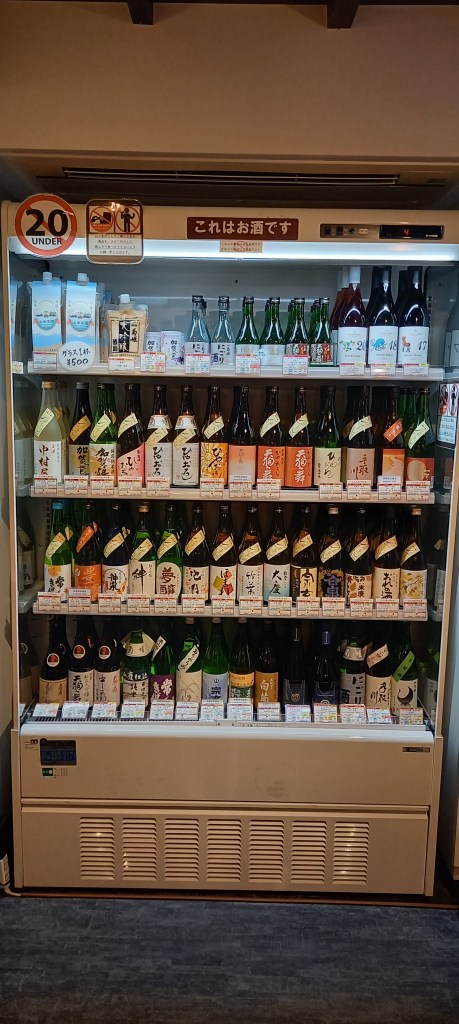

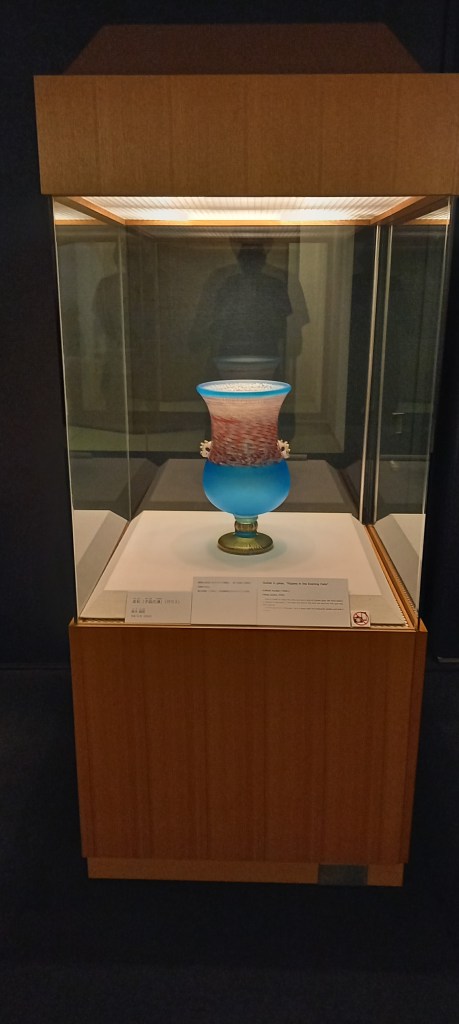
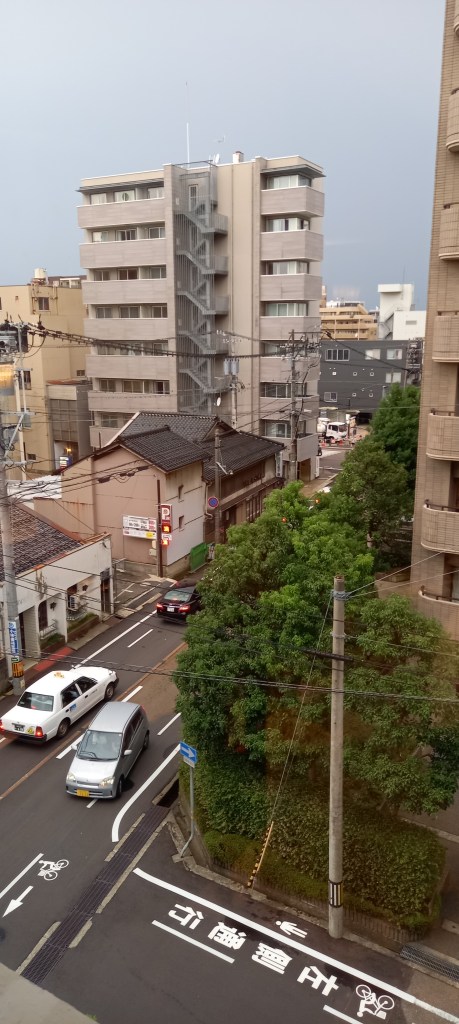
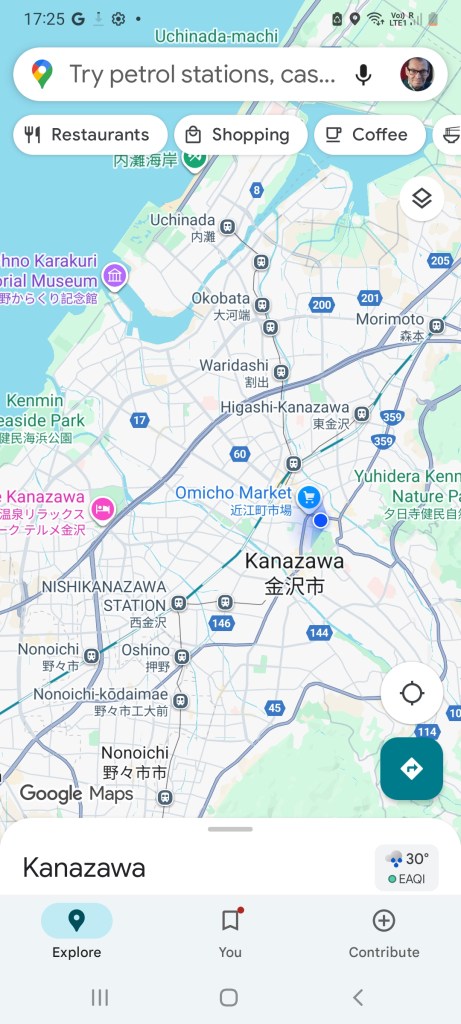

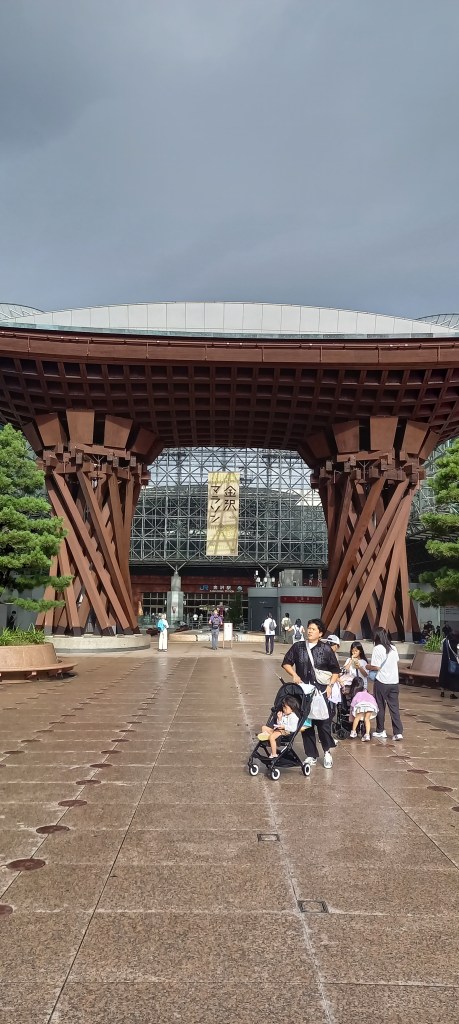
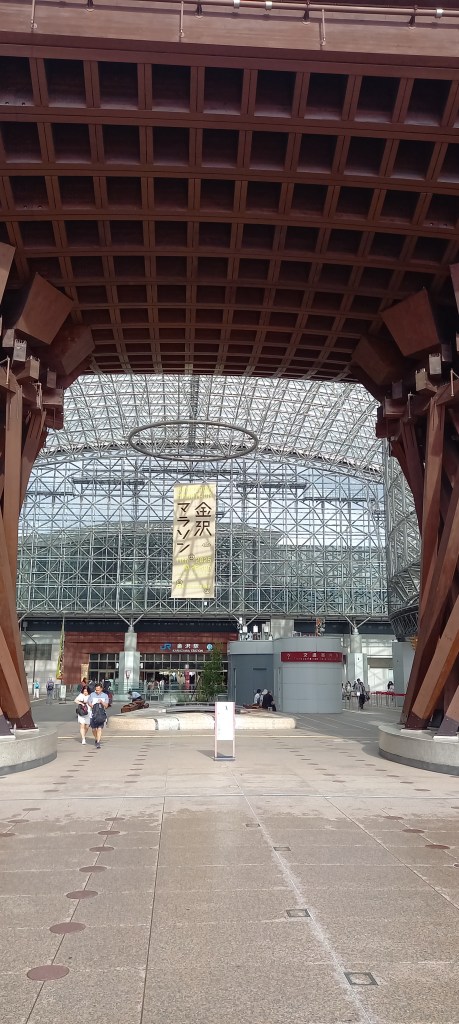
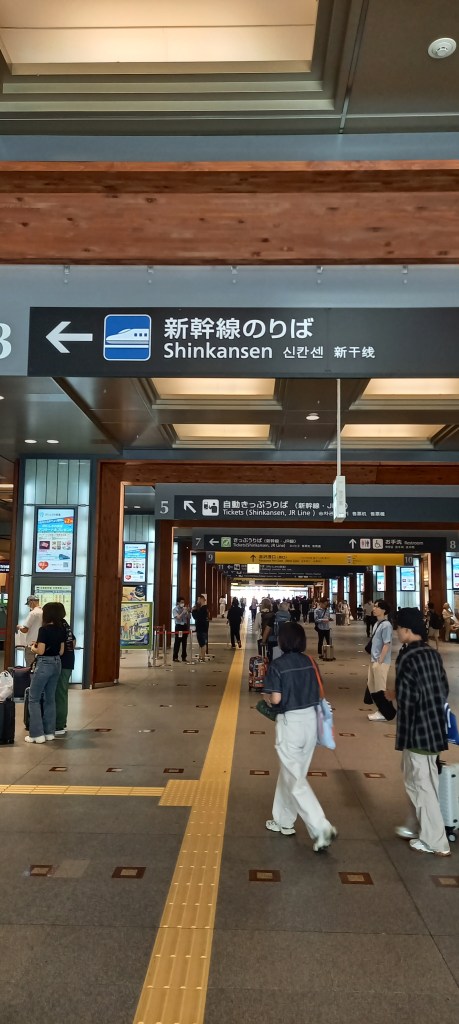
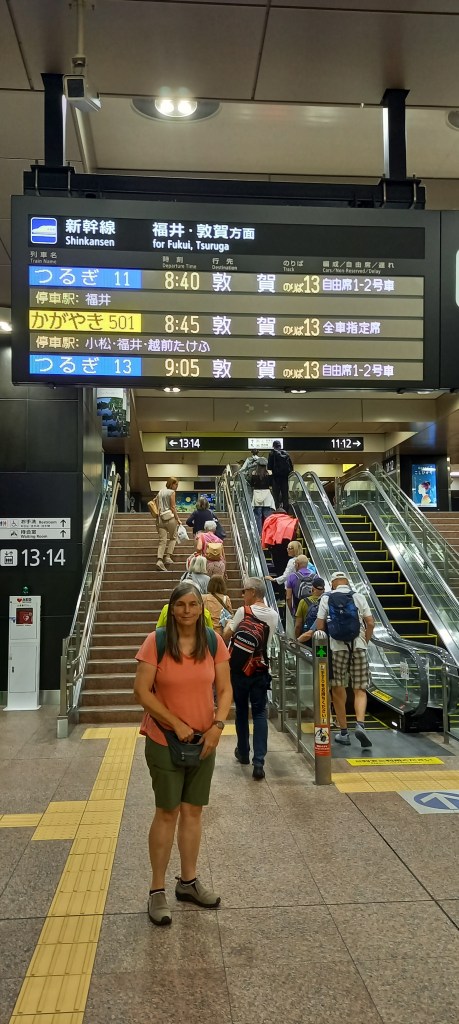
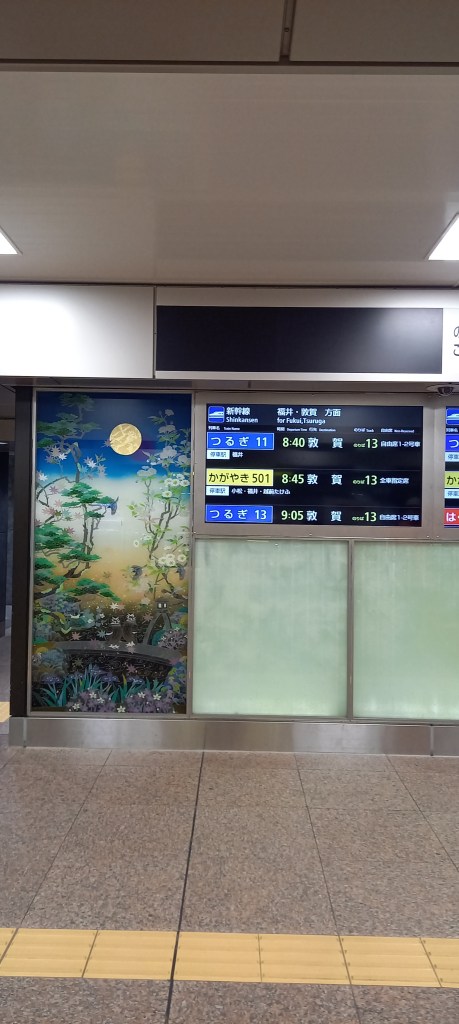
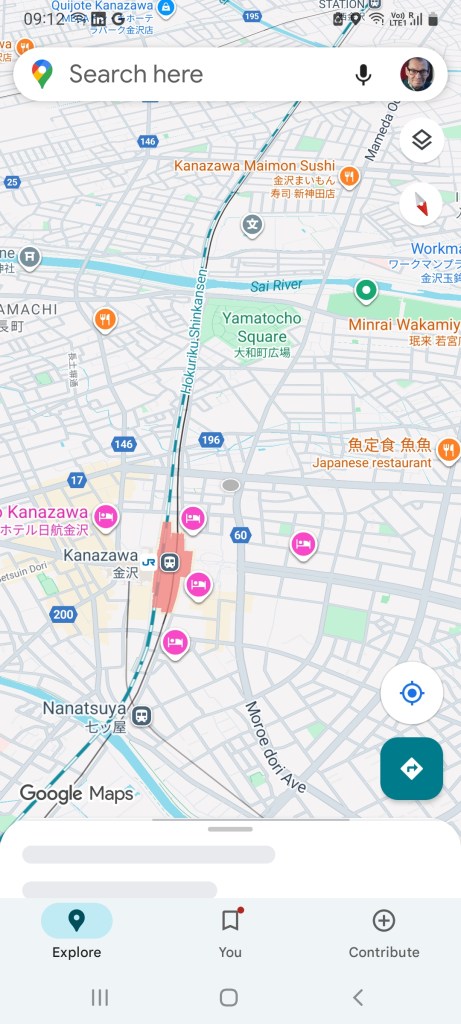

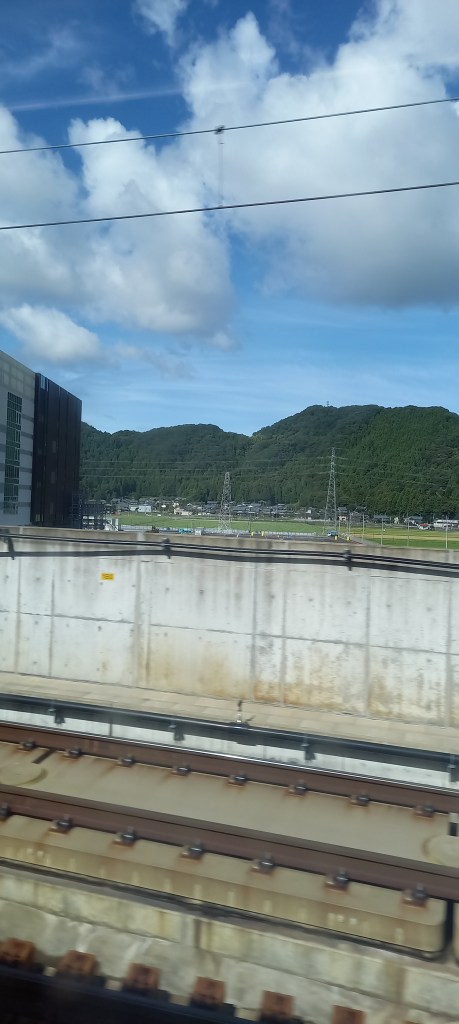


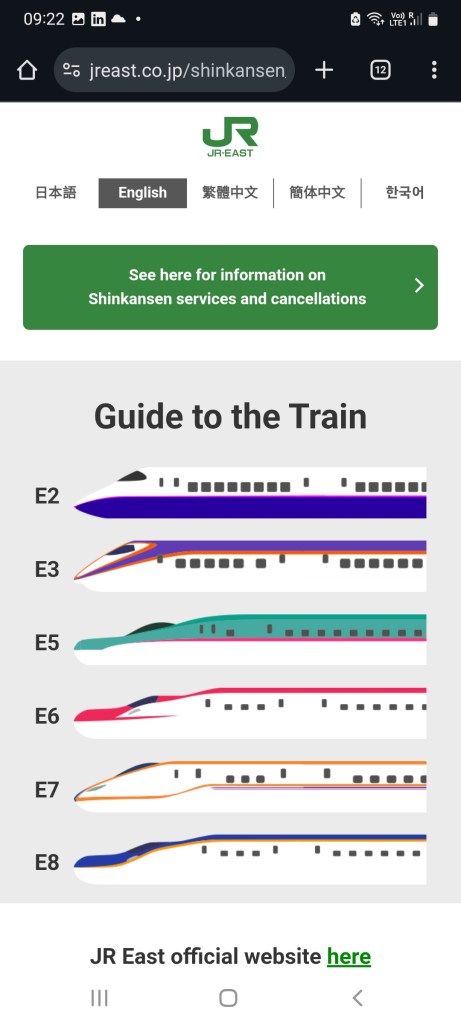
Day 5: Kanazawa
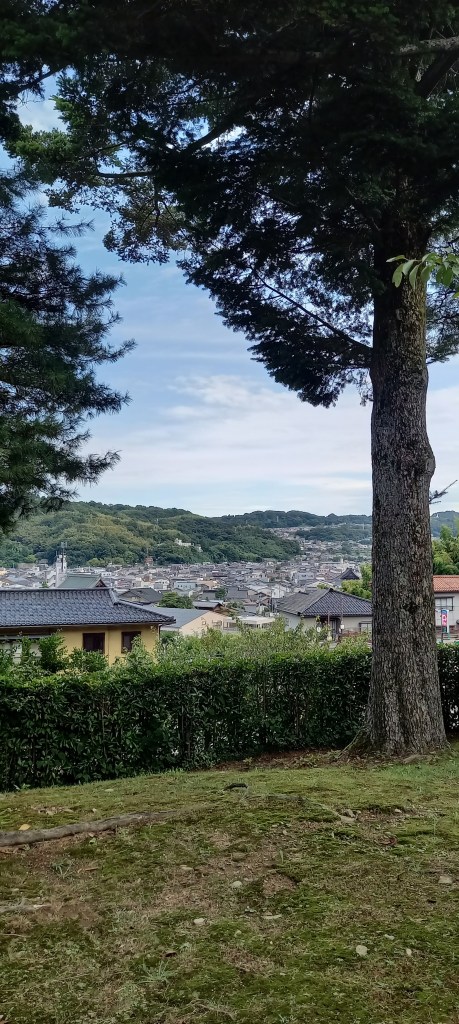
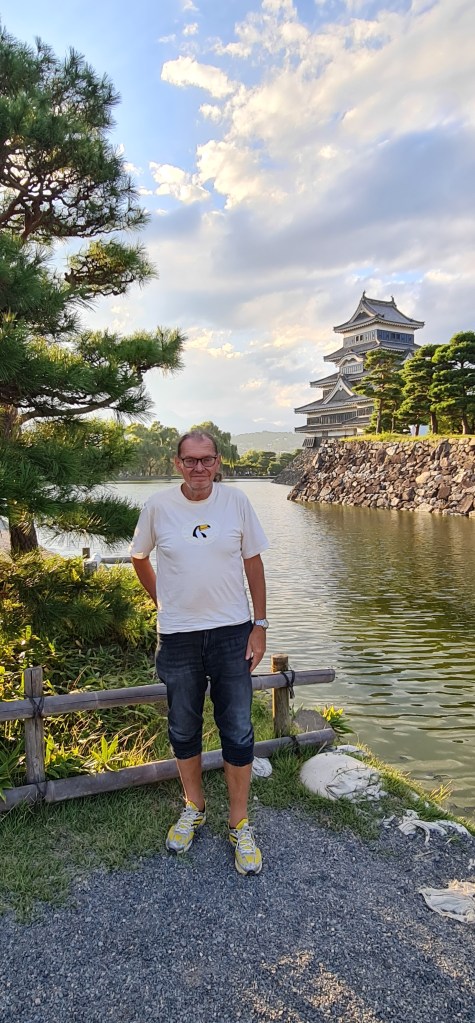
In the morning, you will delve into Kanzawa’s historical past. Continue by Shinkansen to Himeji, home to arguably Japan’s most beautiful castle. Enjoy a ramen dinner in Kyoto. The nighttime illumination of Himeji Temple is an absolute highlight!
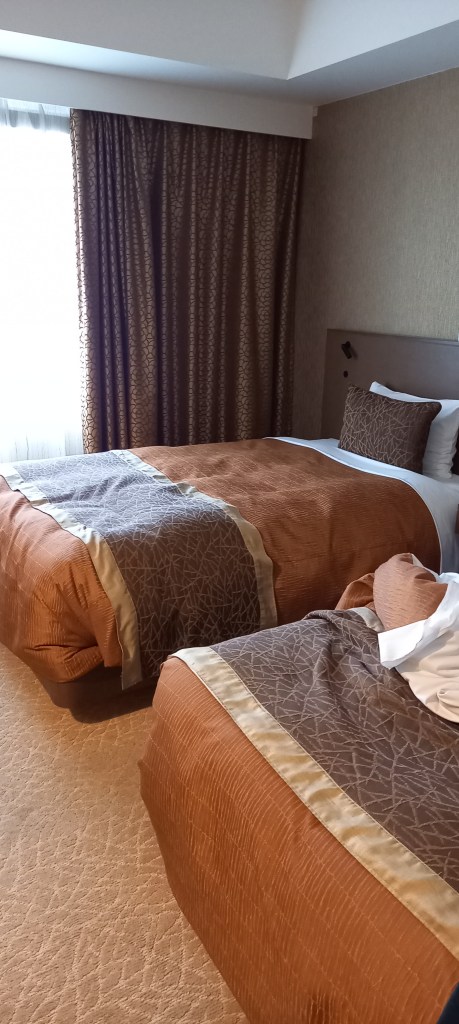
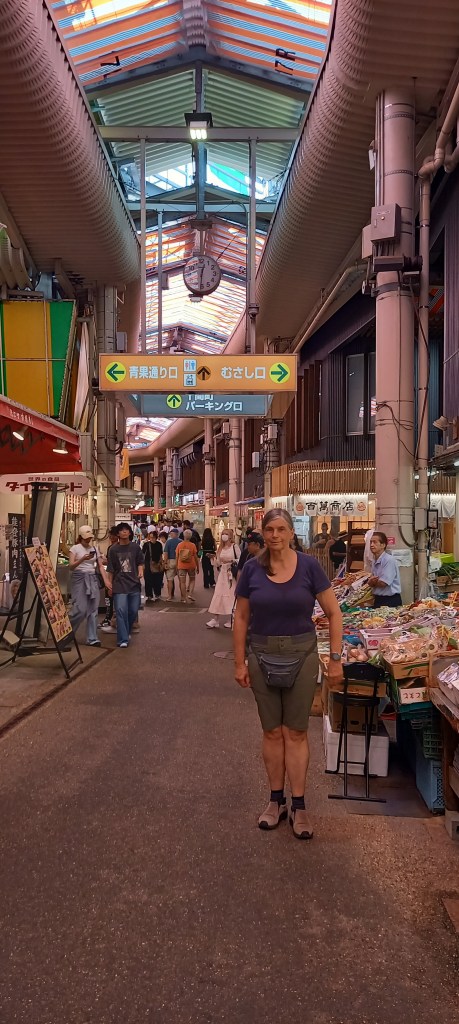
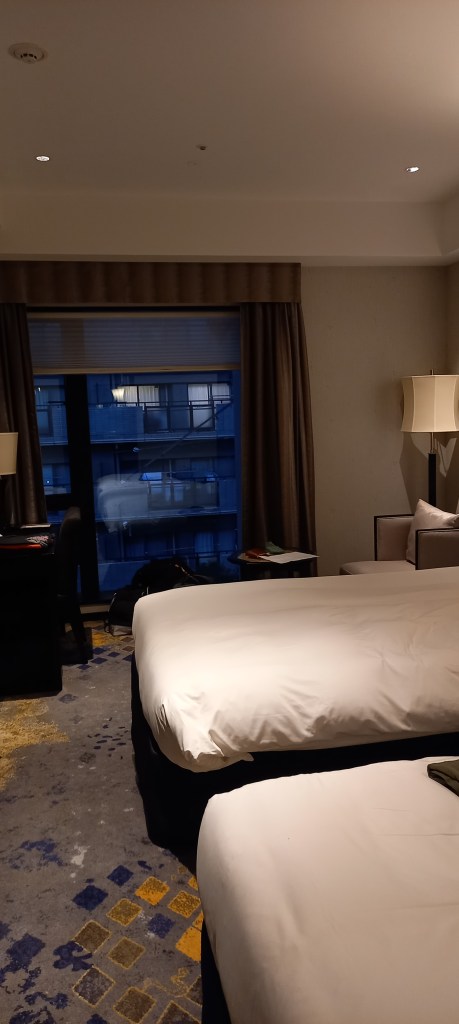
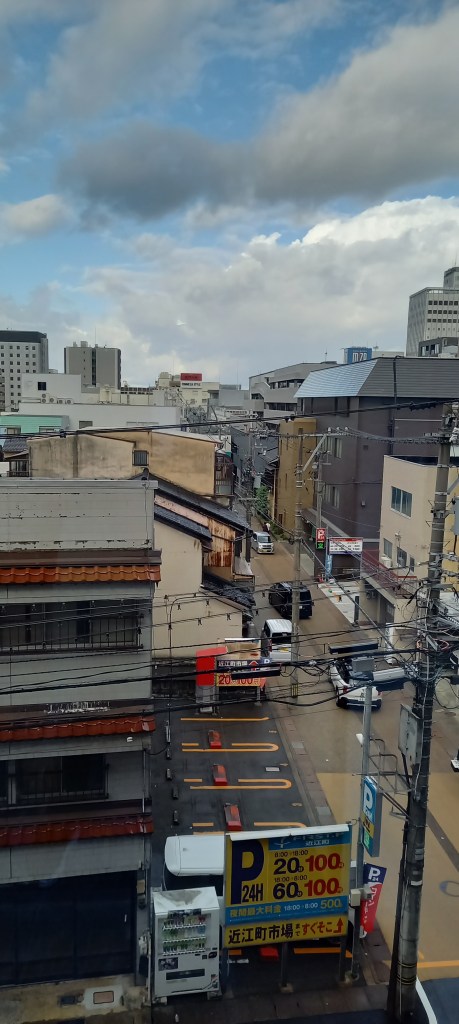
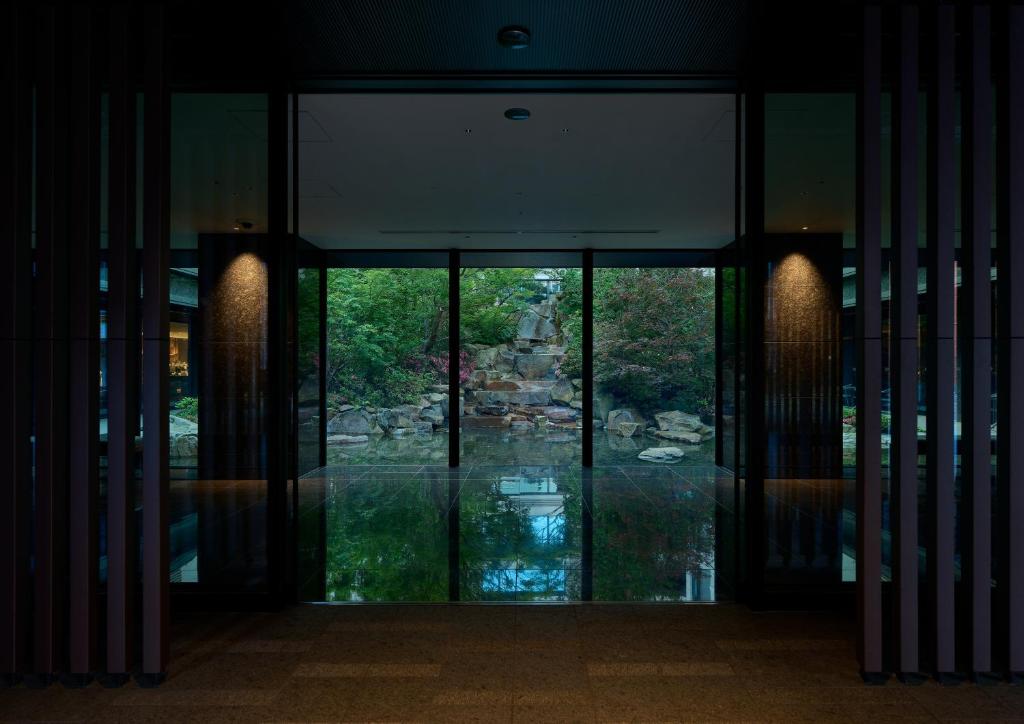
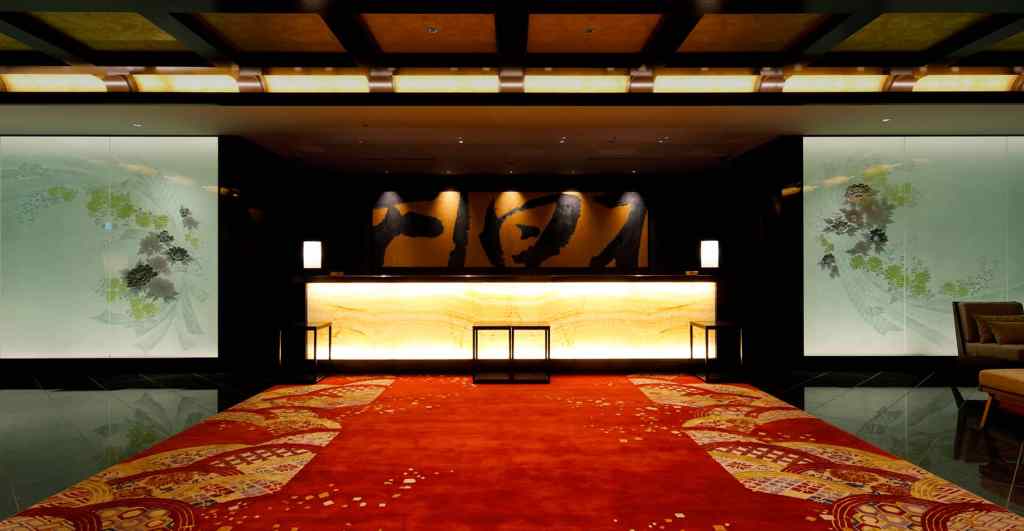
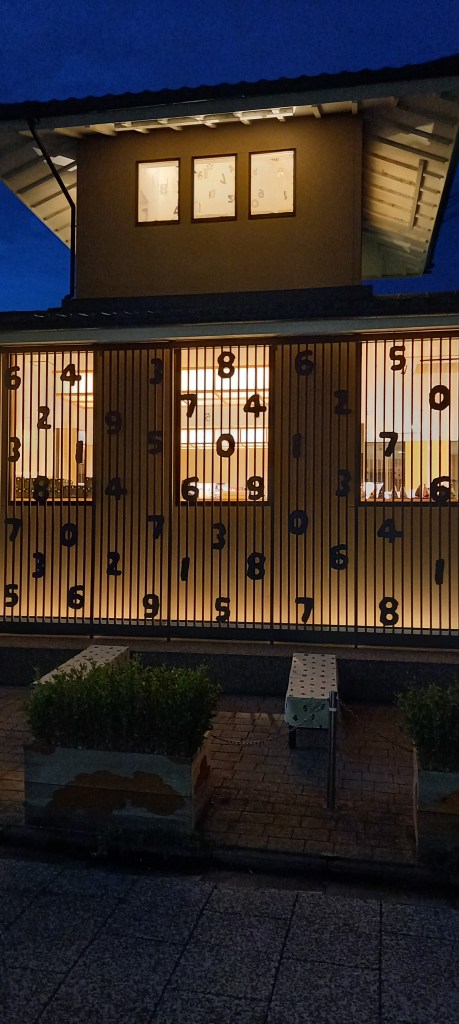
This luxury hotel Sanraku, opened in December 2022, is located in the heart of Kanazawa City. It is within walking distance to major tourist attractions such as Omicho Market, Kanazawa Castle Park, and Kenroku-en, making it an attractive and convenient location for sightseeing. The guest rooms are stylishly designed with black as the base color, fused with elements of Kanazawa’s traditional crafts.
Das japanische Wort “Sanraku” kann zwei Hauptbedeutungen haben, je nach verwendeten Schriftzeichen (das zweite kanji ist anders):
- 参洛 (sanraku): “Reise in die Hauptstadt” oder “nach Kyoto gehen” (参 = besuchen, 洛 = Kyoto, die Hauptstadt).
- 惨落 (sanraku): “Absturz”, “plötzlicher Preisverfall” oder “Einbruch” (z. B. an der Börse).
Für Hotelnamen wie das Hotel Sanraku wird fast immer die erste, positivere Bedeutung verwendet und bezieht sich auf die traditionelle, kulturelle Verbindung zu Kyoto.
Day 6: Former Imperial City of Kyoto
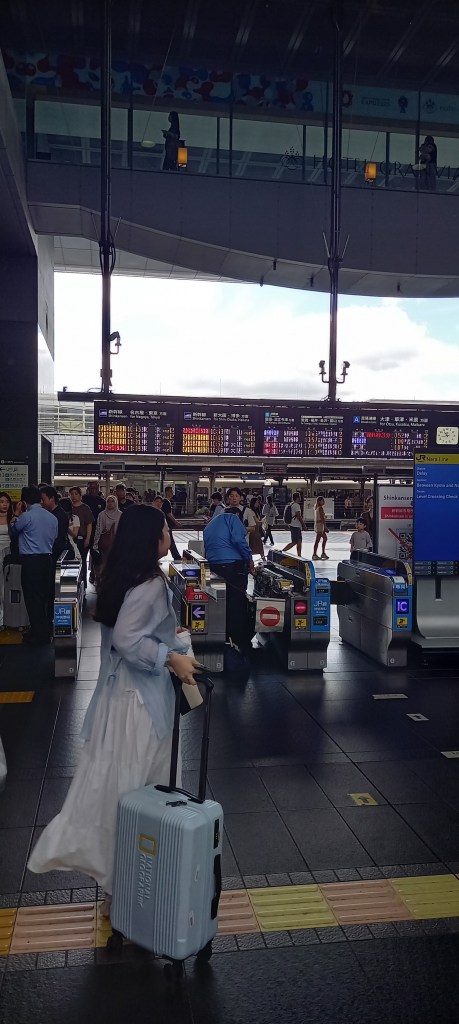
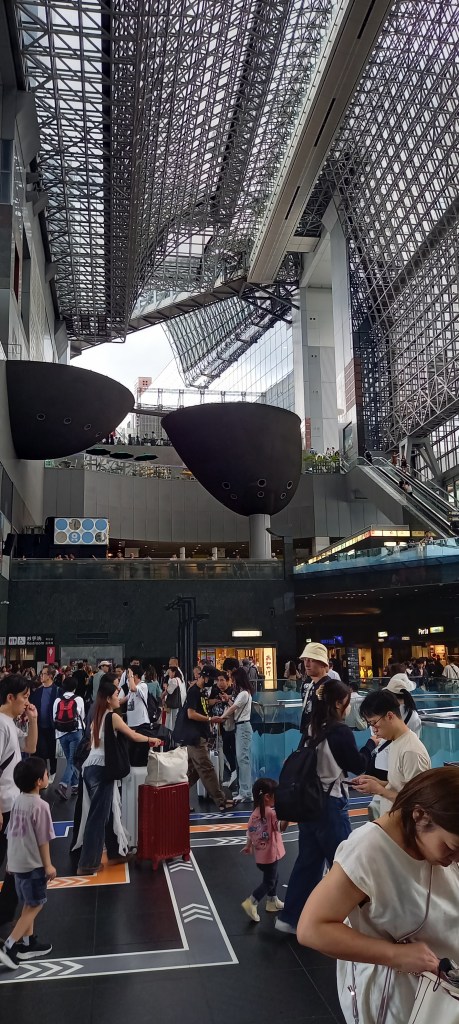
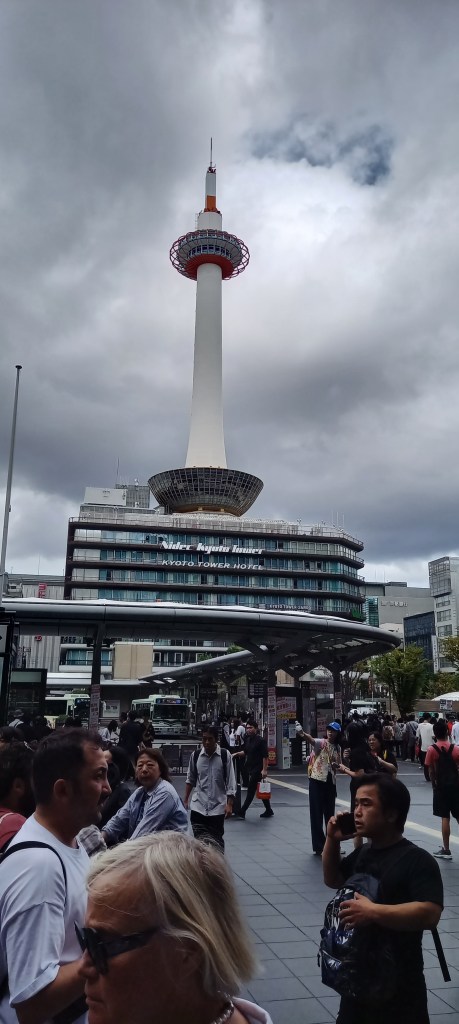
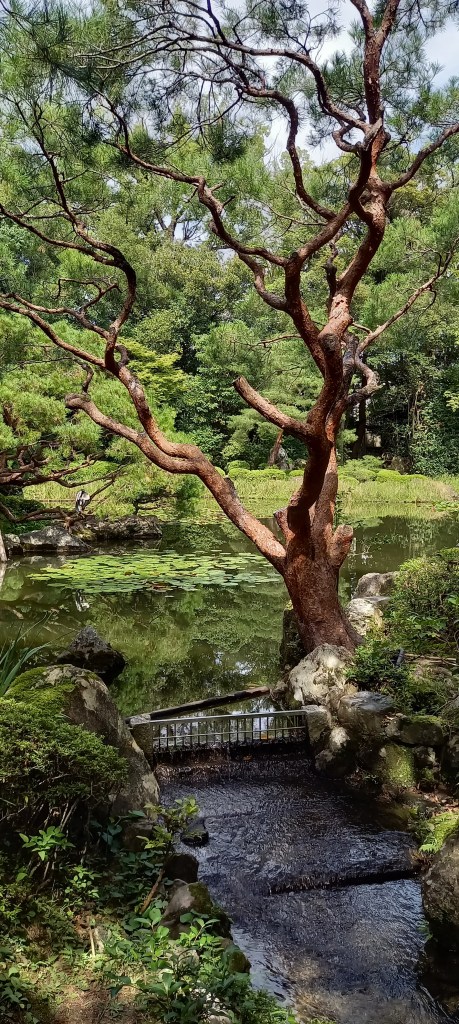
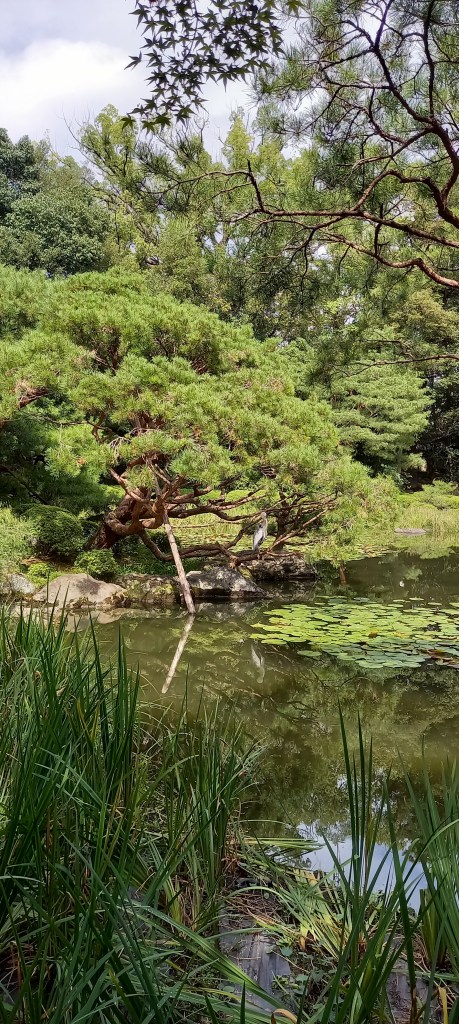
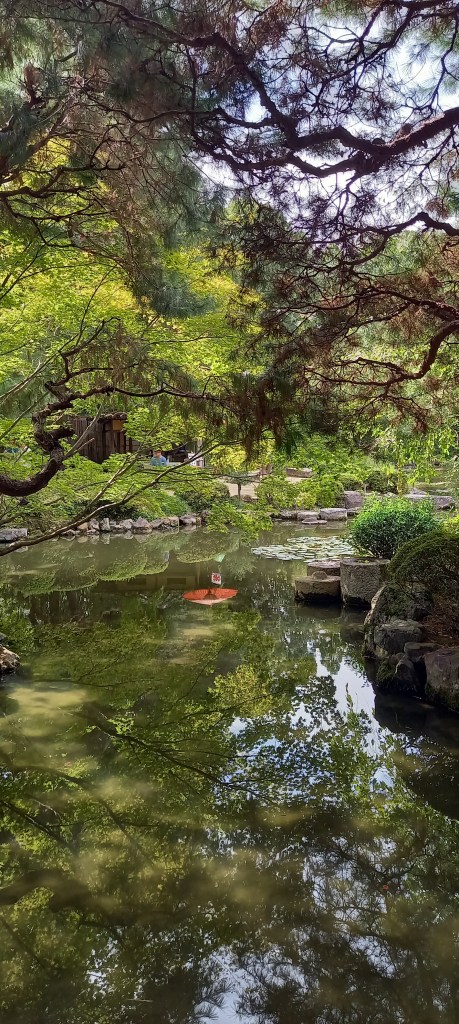
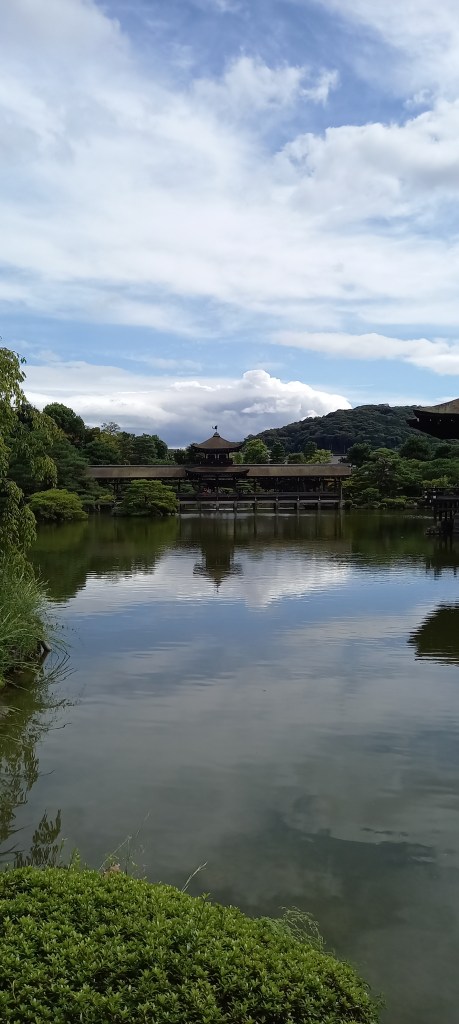
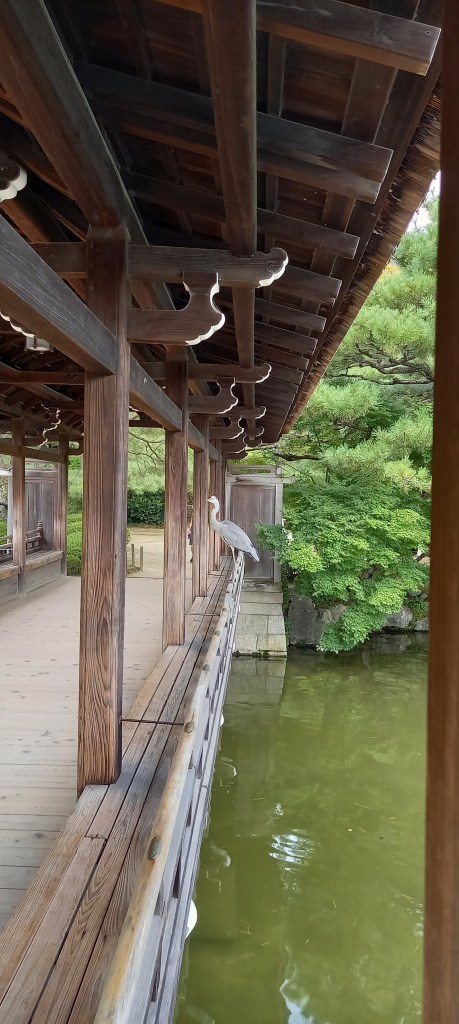
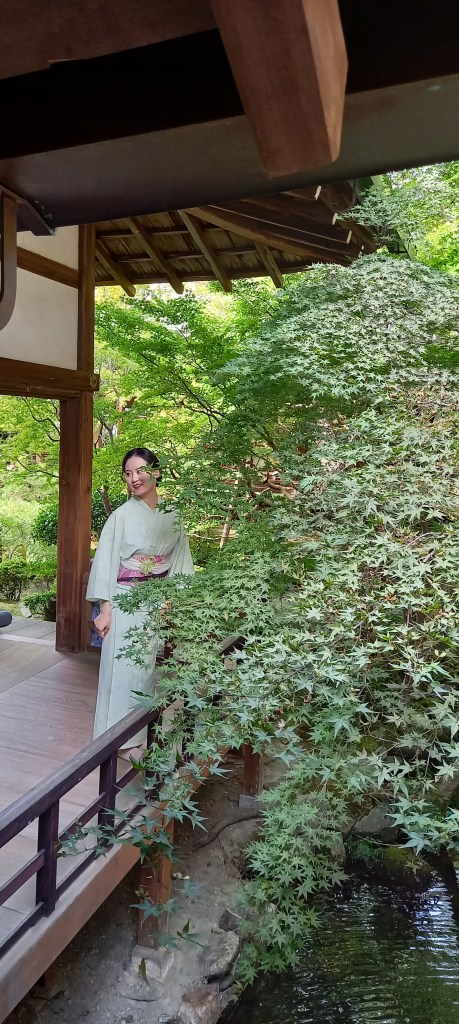
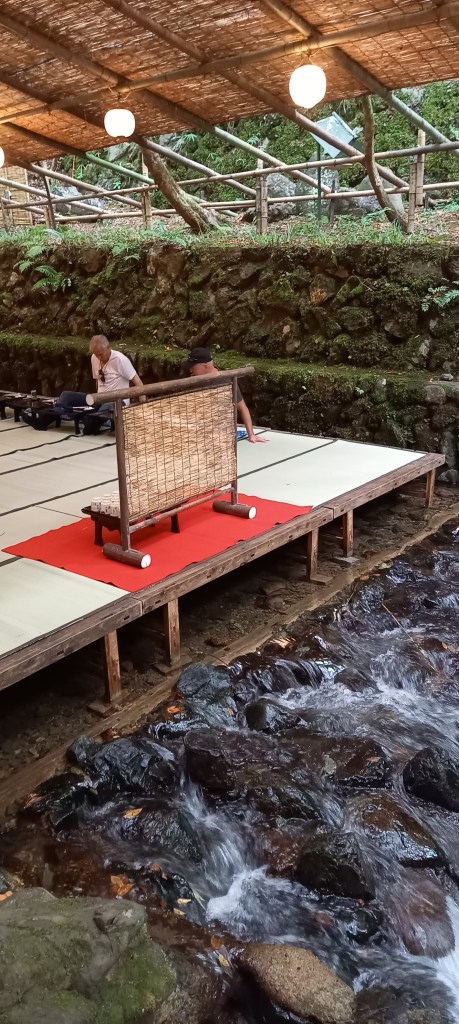
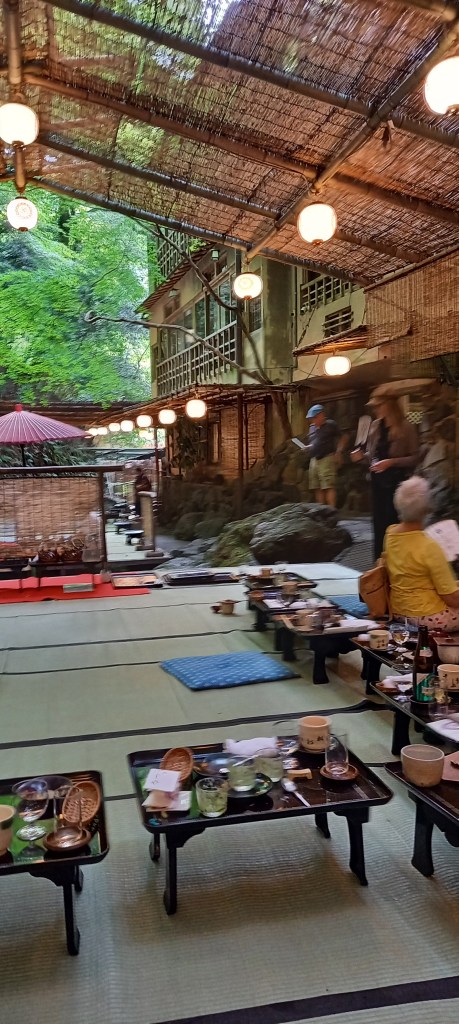
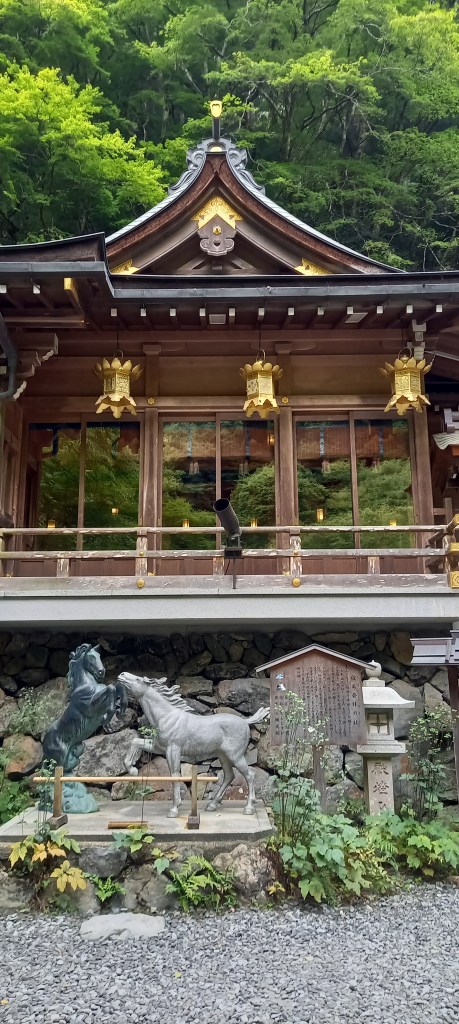
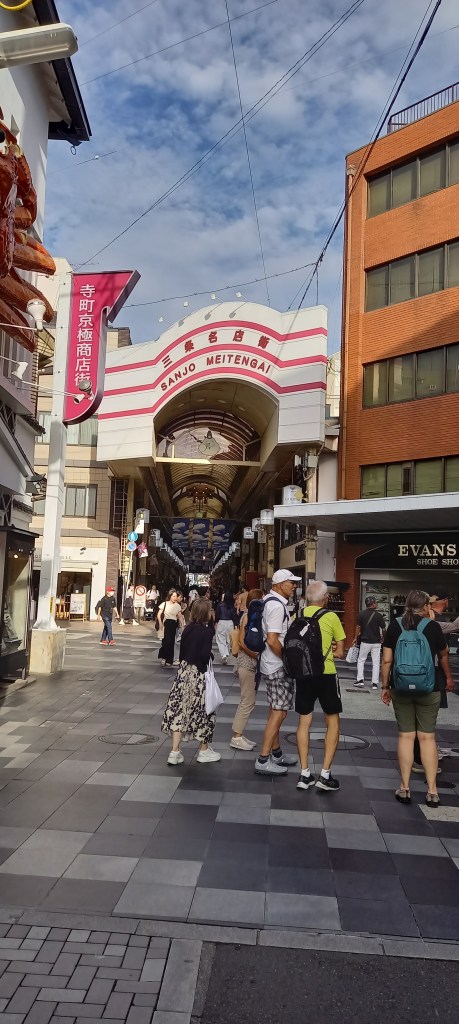
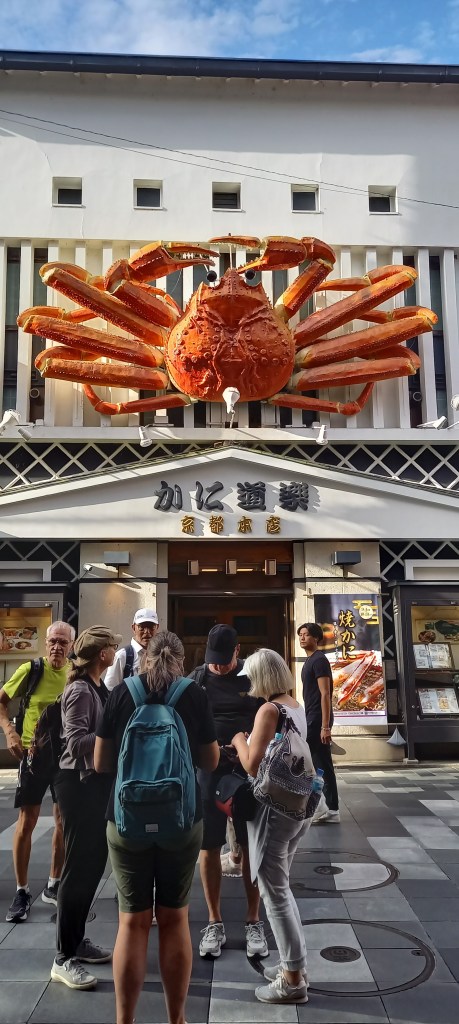
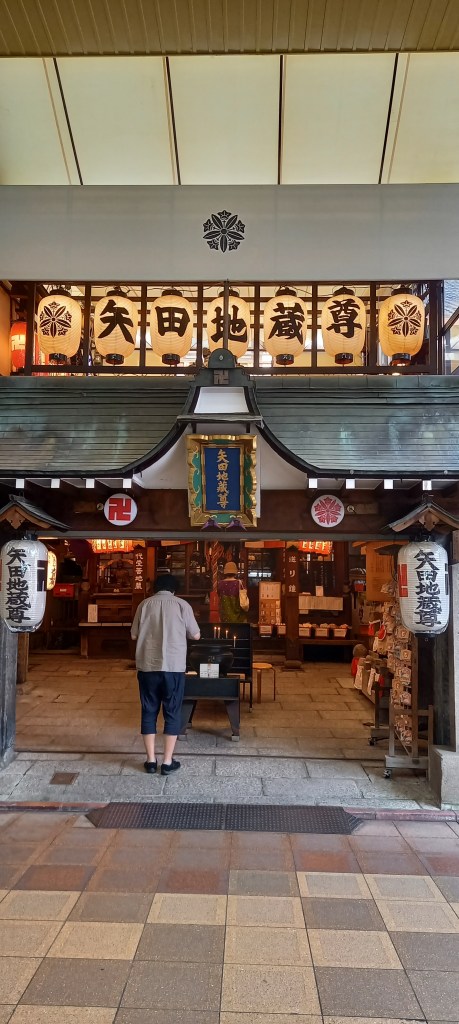
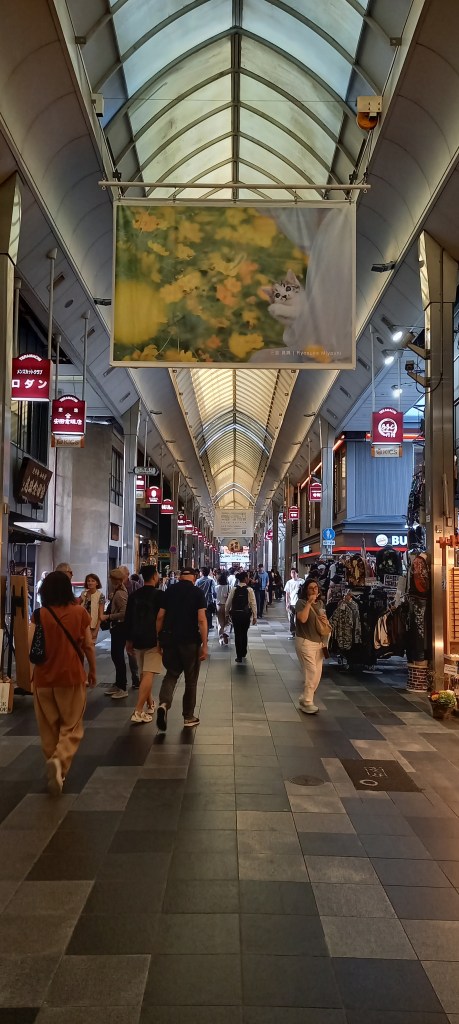
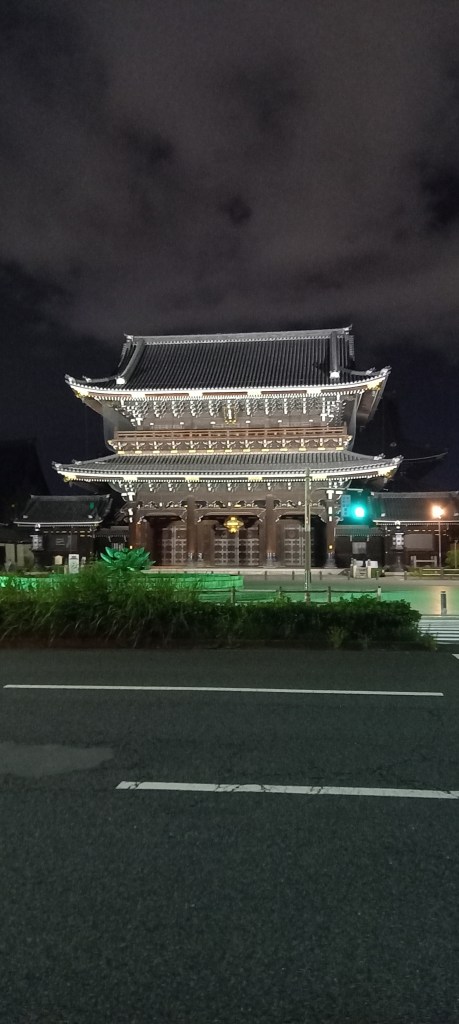
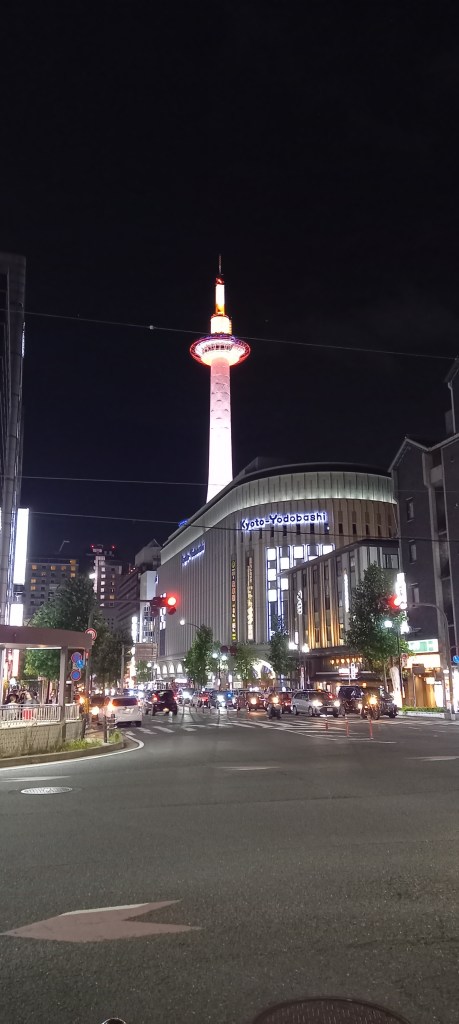
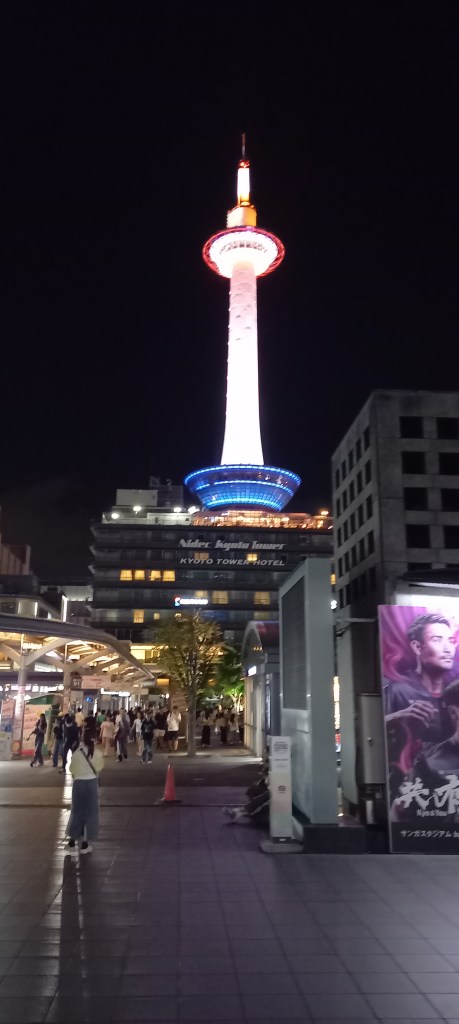
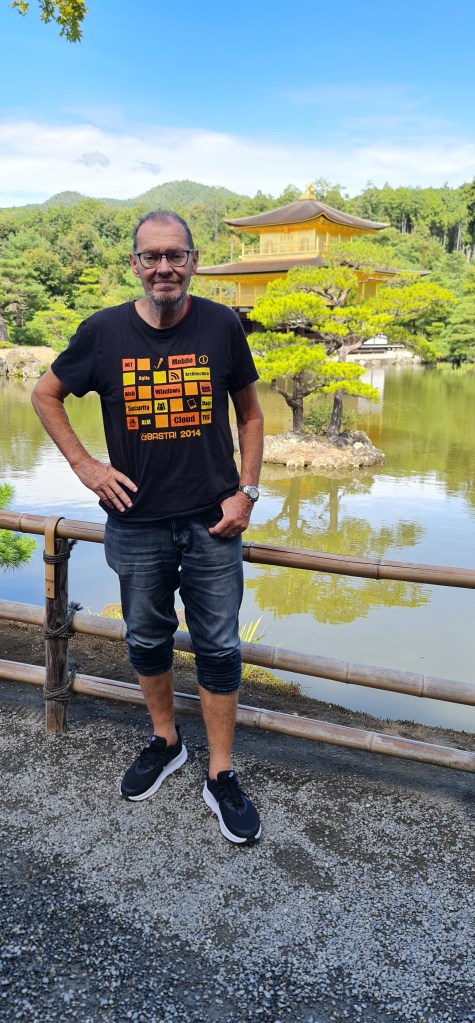
Visit Kyoto’s Golden Pavilion, experience a private tea ceremony, and stroll through the old town, where with a bit of luck, you might even encounter a geisha.















Day 7: 10,000 Red Gates
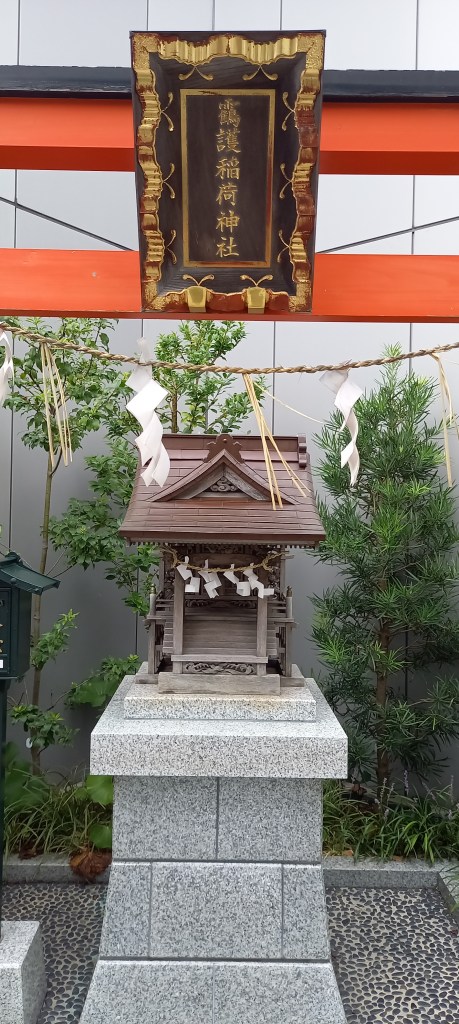
At the legendary Fushimi Inari Shrine, stroll through numerous red Shinto gates. Continue to Nara, where the largest Buddha awaits you. In the evening, sample the Japanese soup fondue, shabu-shabu.
Day 8: Journey to Kanazawa
Drive along the largest freshwater lake, where you enjoy a traditional boat ride in Omi-Hachiman to arguably the most picturesque viewpoint for Japanese autumn foliage: Seiryu-Ji Temple.
Day 9: Glittering Gold
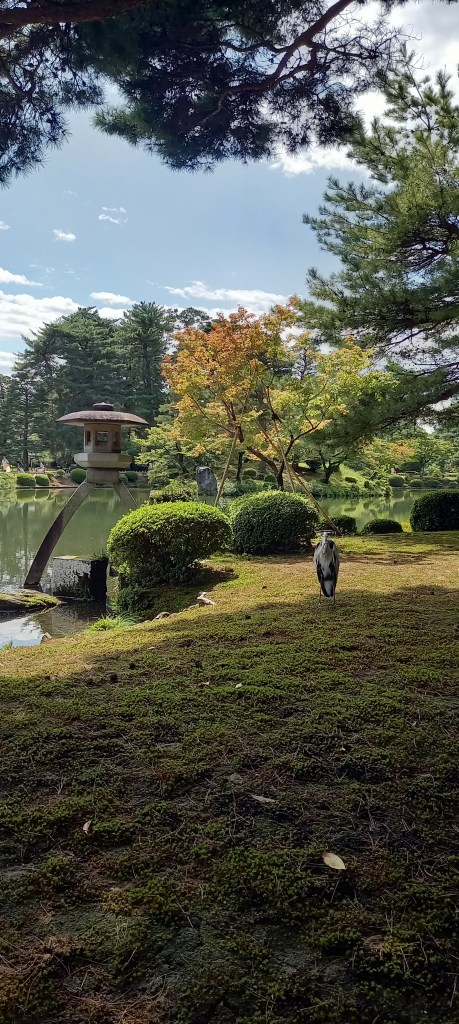
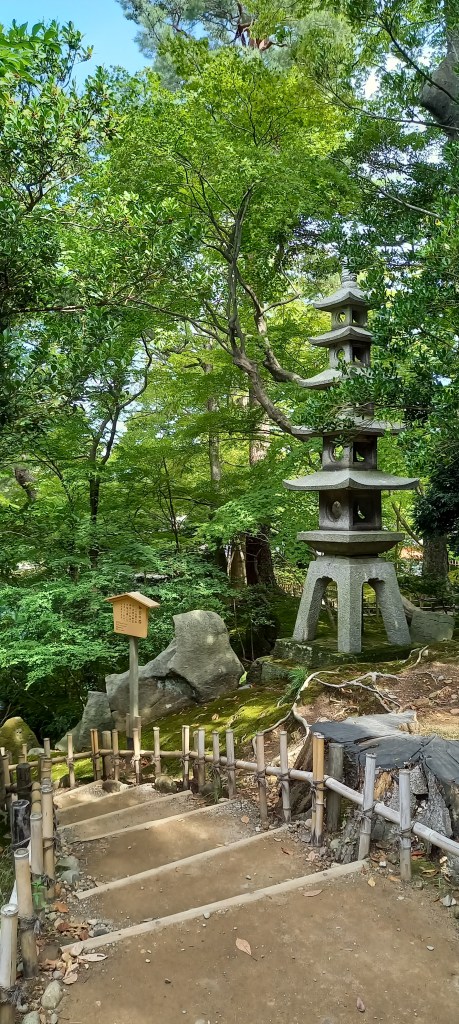
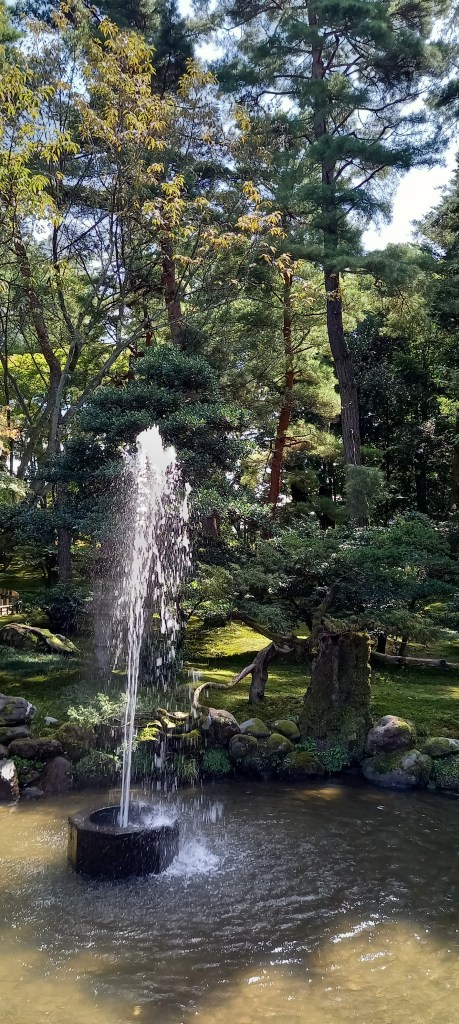
Kanazawa is famous for its gold leaf production. Before visiting a samurai residence, stroll through Kenroku-en, one of Japan’s three legendary gardens.
Day 10: Alpine Village of Shirakawago
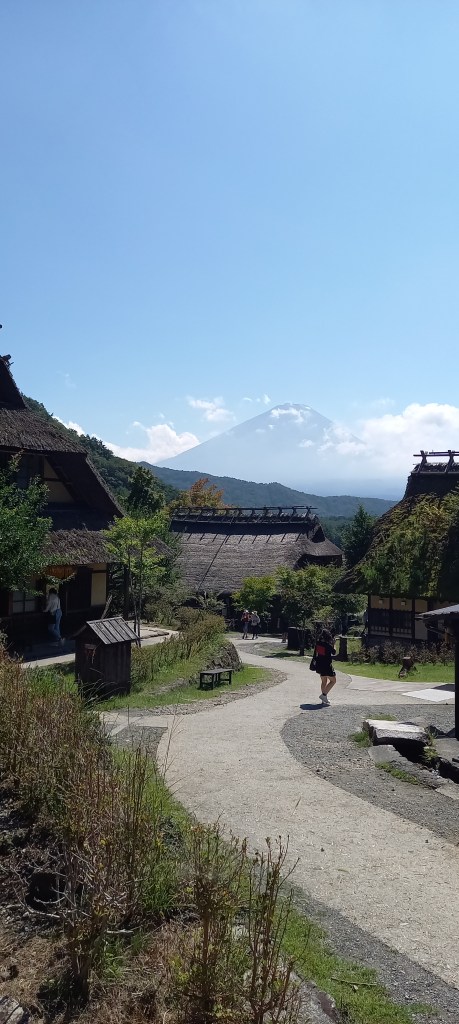
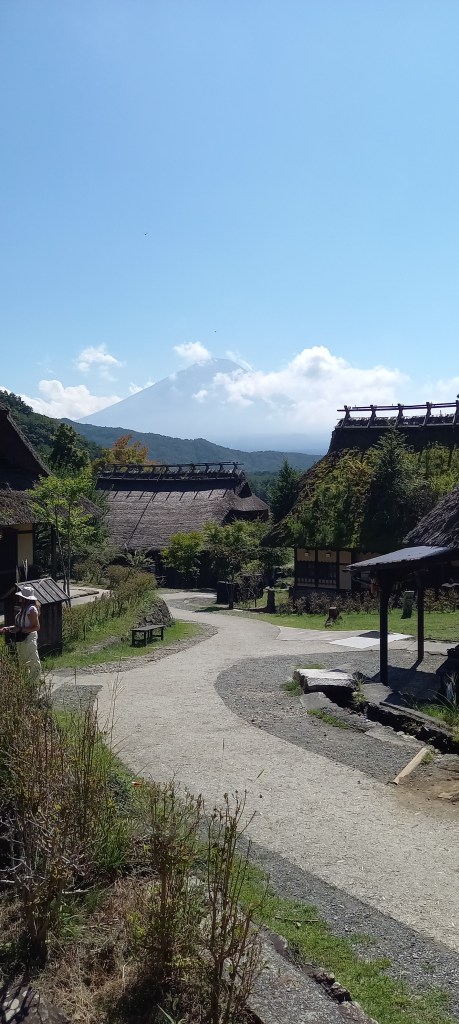
On your way to the Japanese Alps, stroll through the romantic farming village of Shirakawago. In Takayama, visit a sake distillery. In the evening, enjoy the famous Wagyu (Japanese beef).
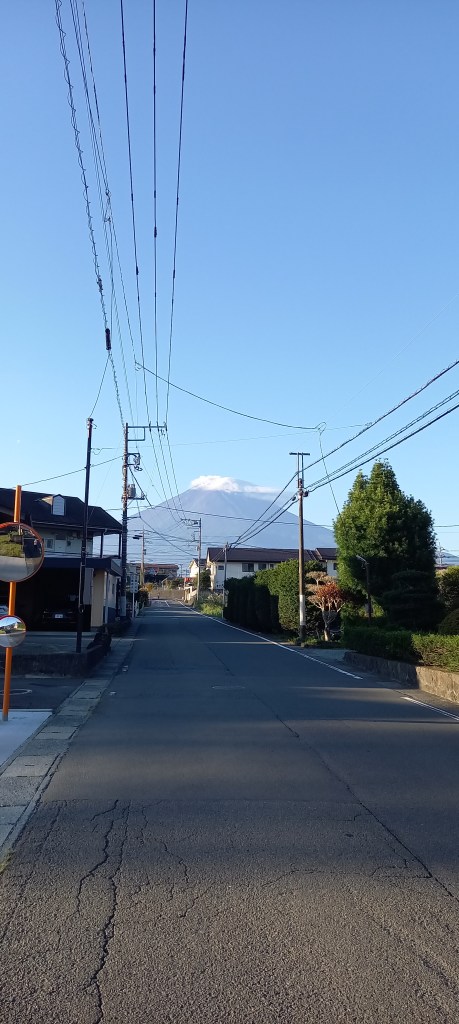
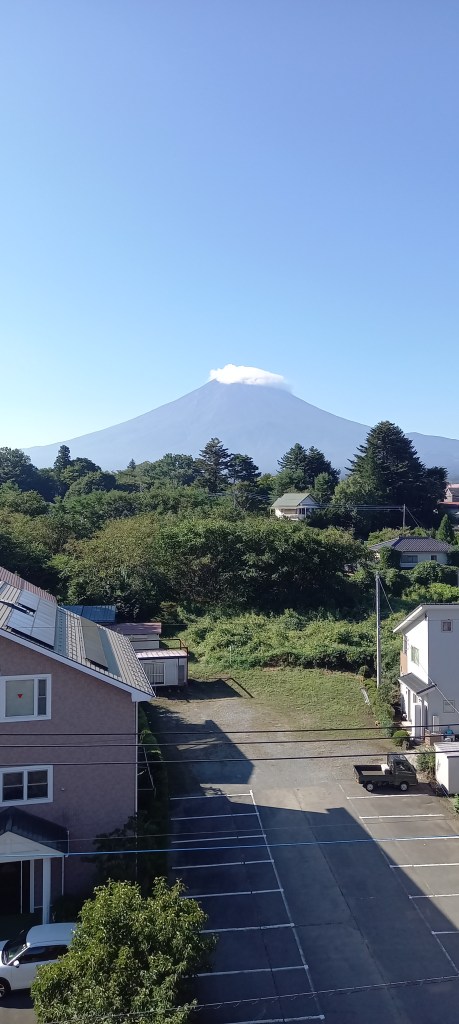
Day 11: Sacred Mount Fuji
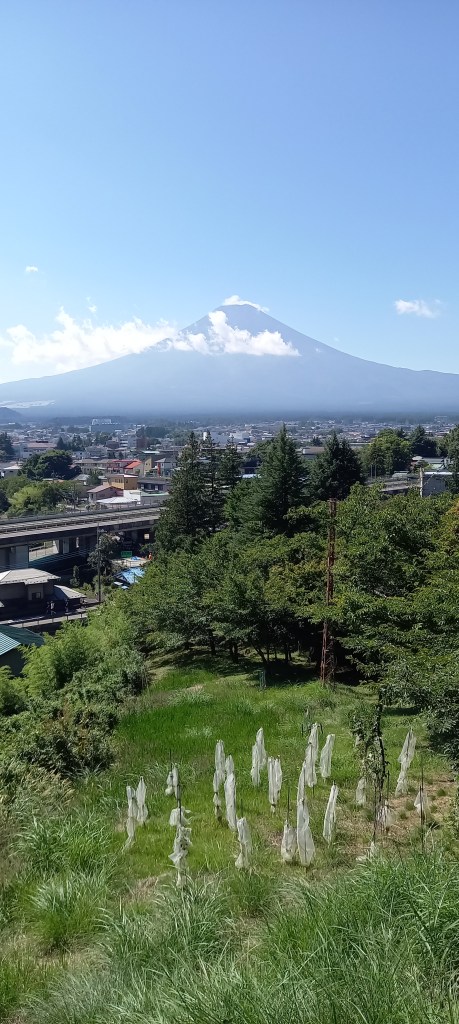
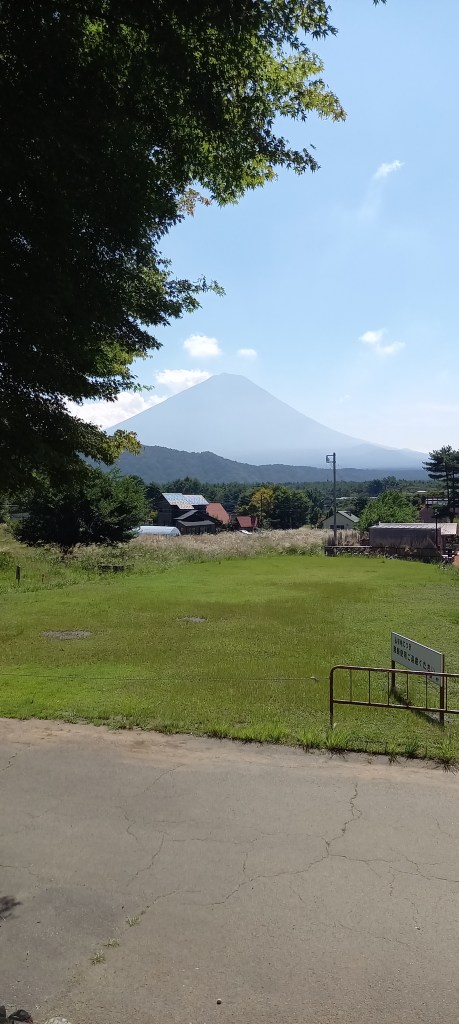
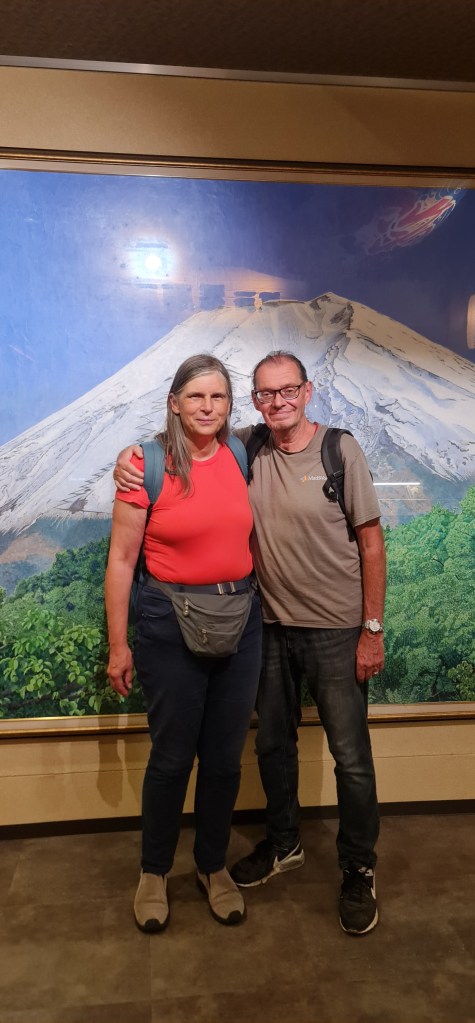
Experience the most beautiful red tones on a leisurely hike through the Kamikochi Valley. In the afternoon, head to the sacred Mount Fuji. Overnight and dinner in a classic Japanese inn (ryokan).

Day 12: Art City of Kamakura
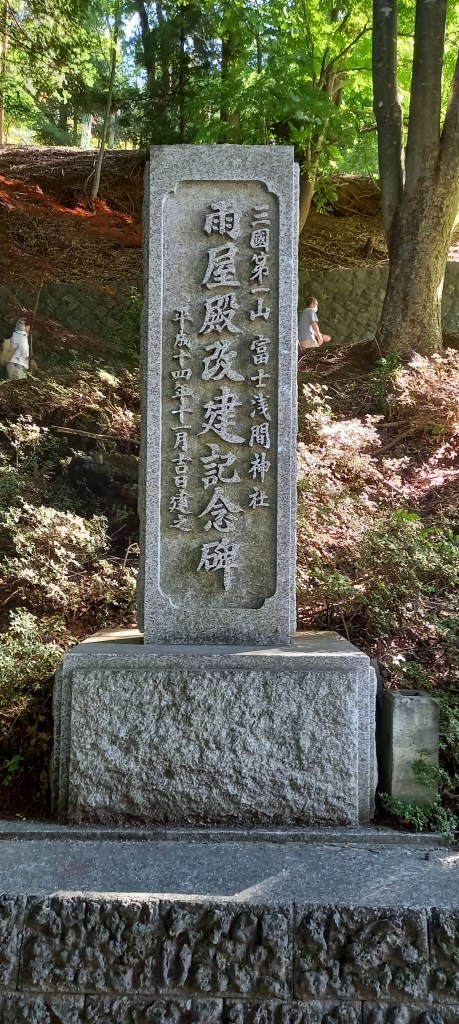
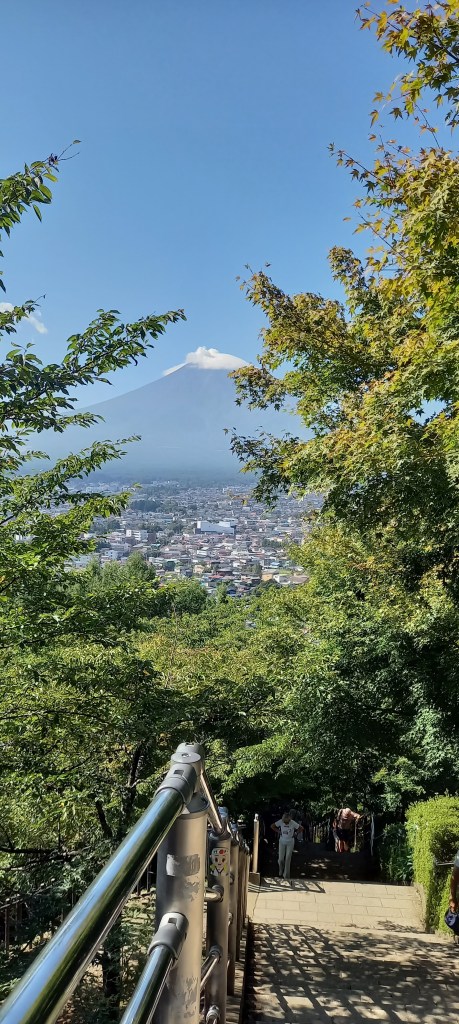
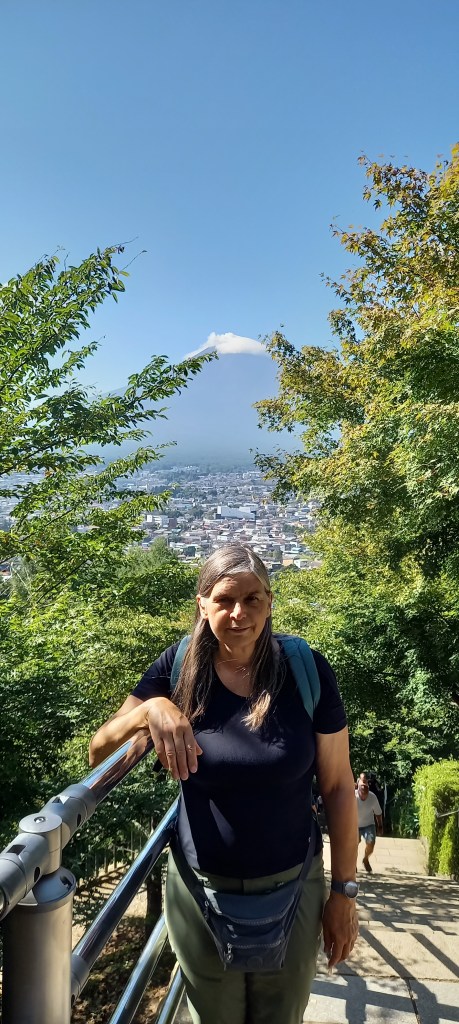
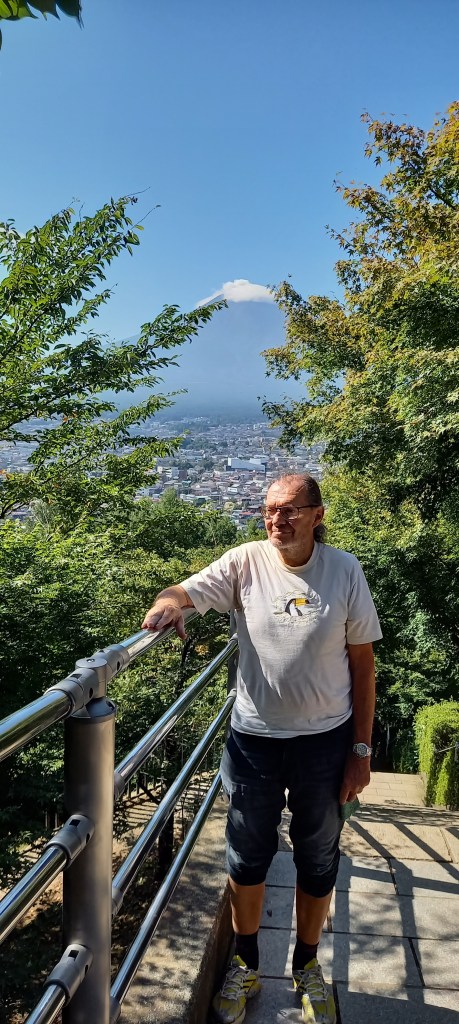
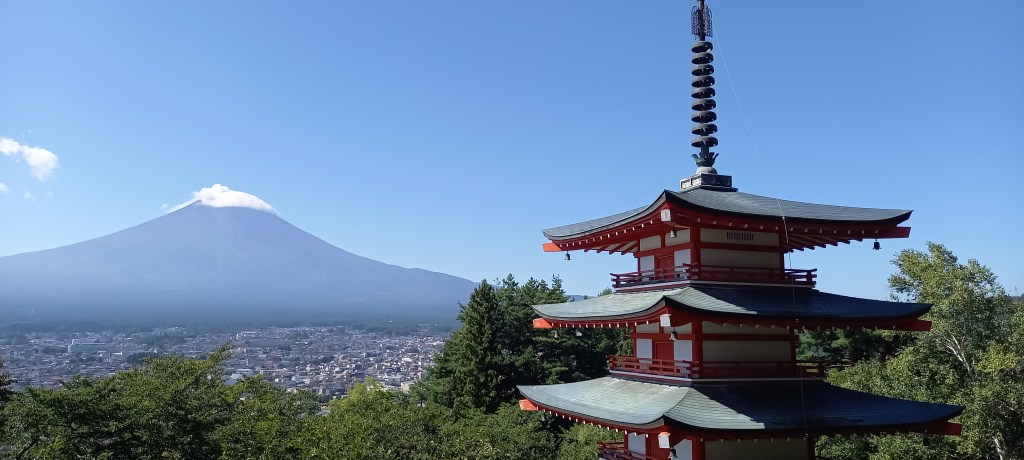
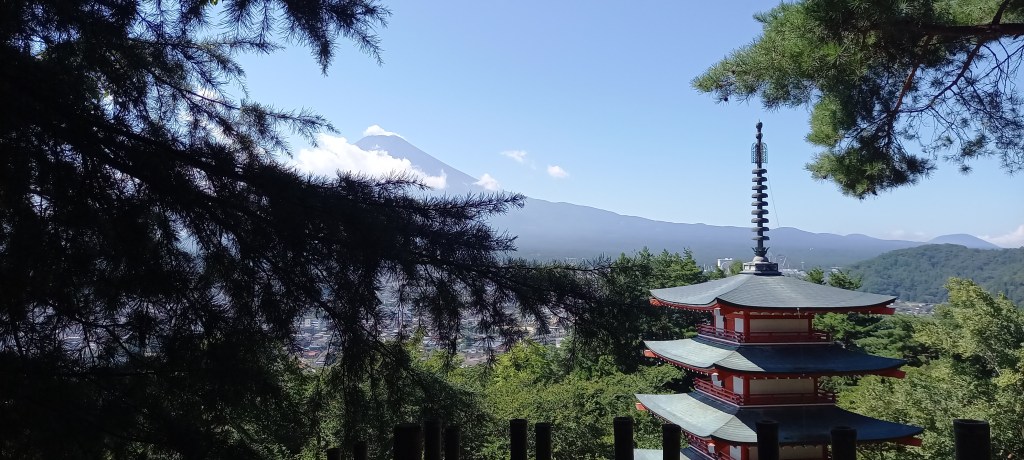
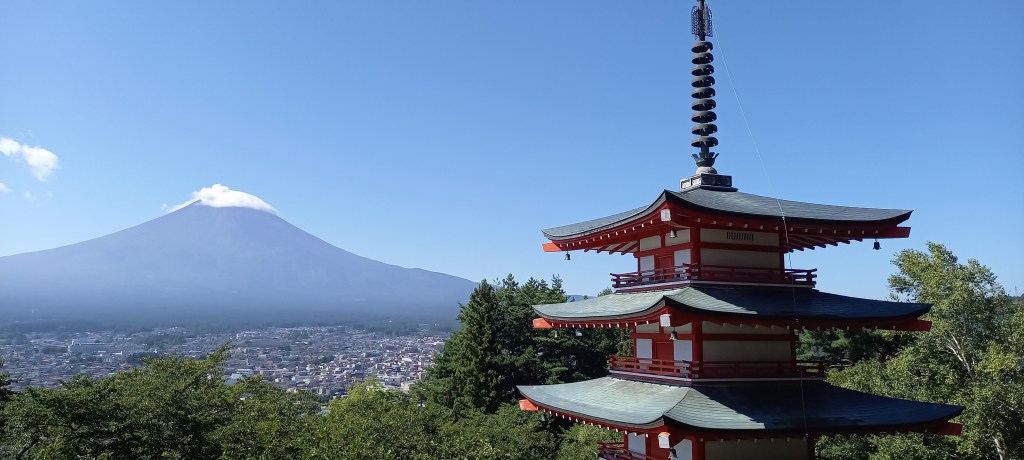
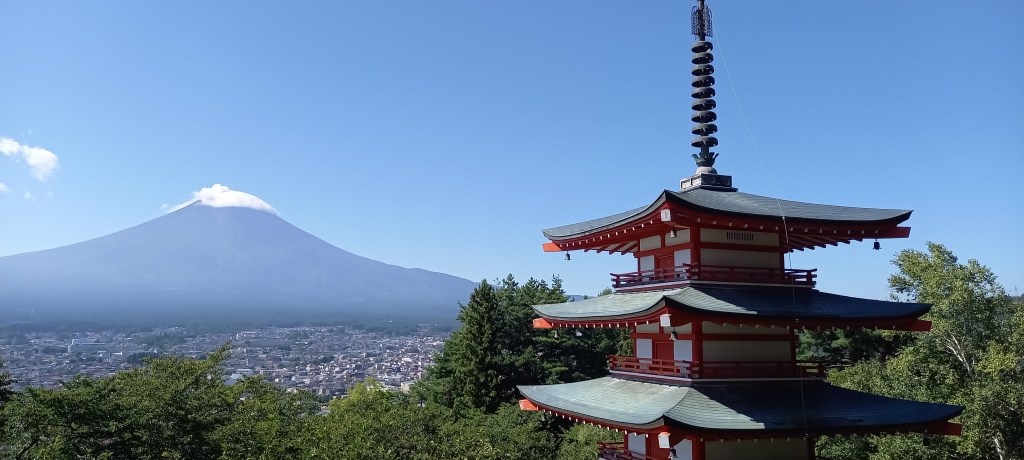
Short hike to the viewpoint of the Arakurayam Shrine with a legendary view of Mount Fuji with a pagoda in the foreground. Stop in the artist town of Kamakura to visit the Hasedera complex. Enjoy a sushi dinner in Tokyo.
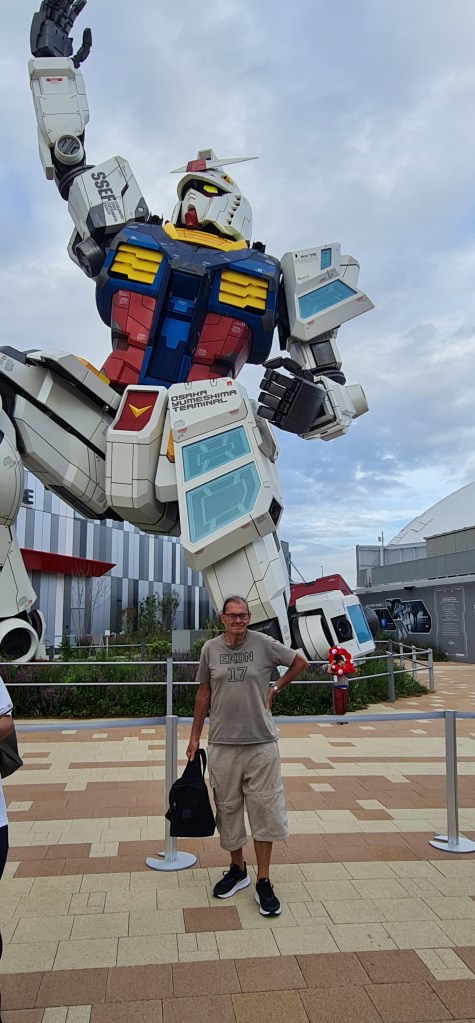
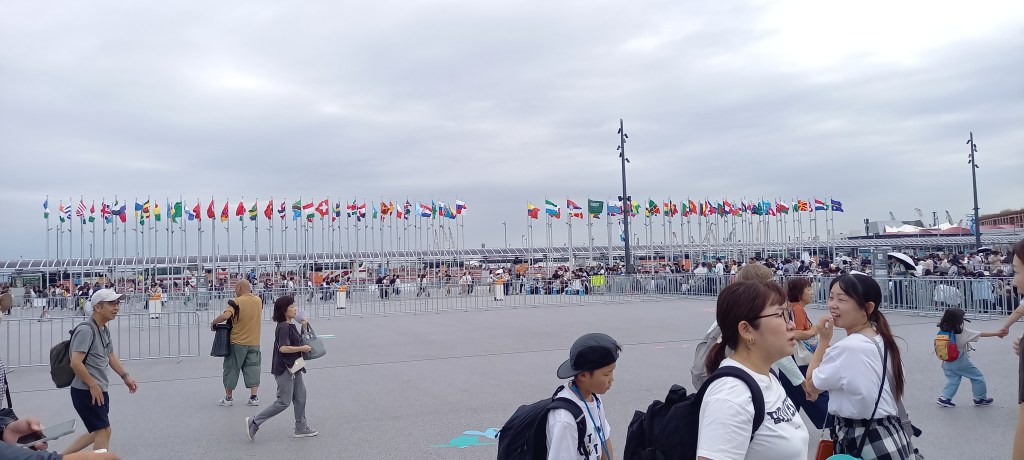
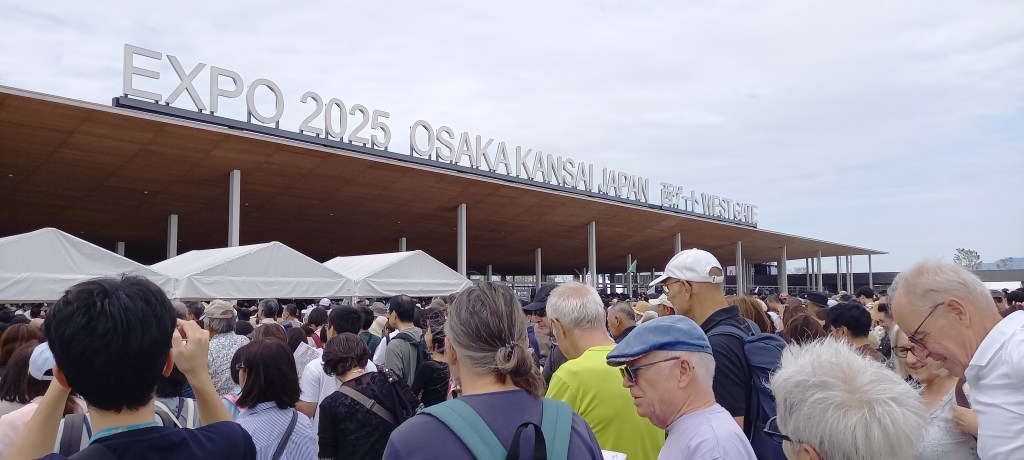
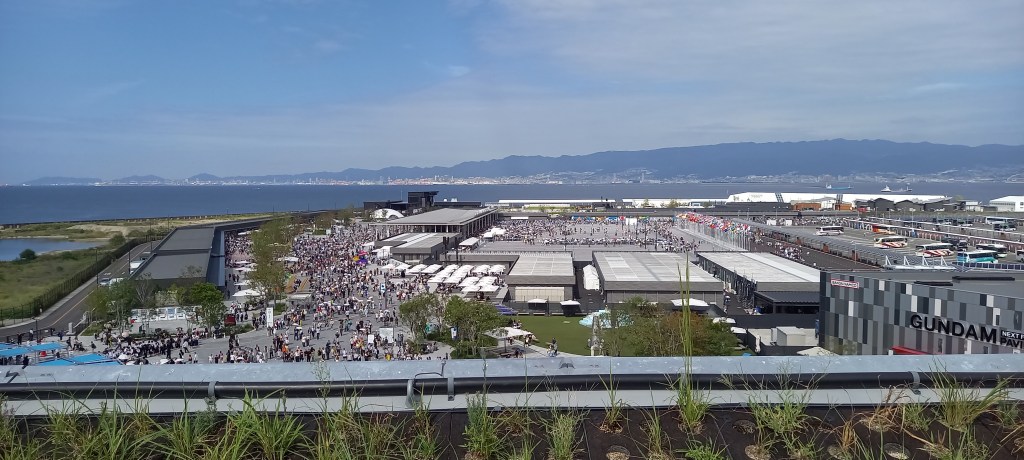
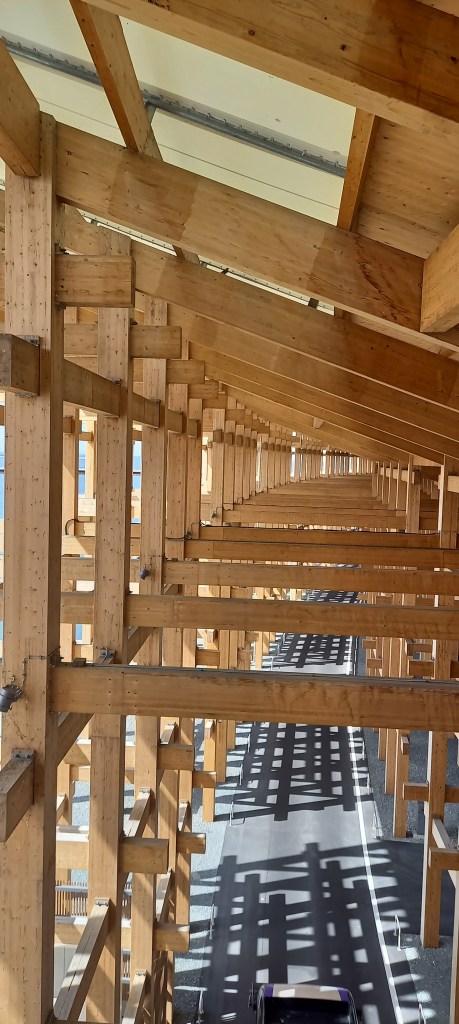
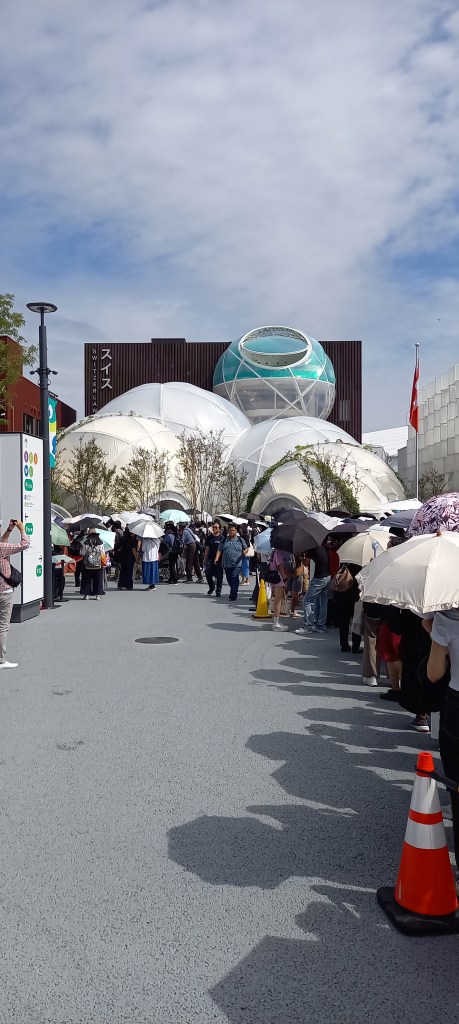
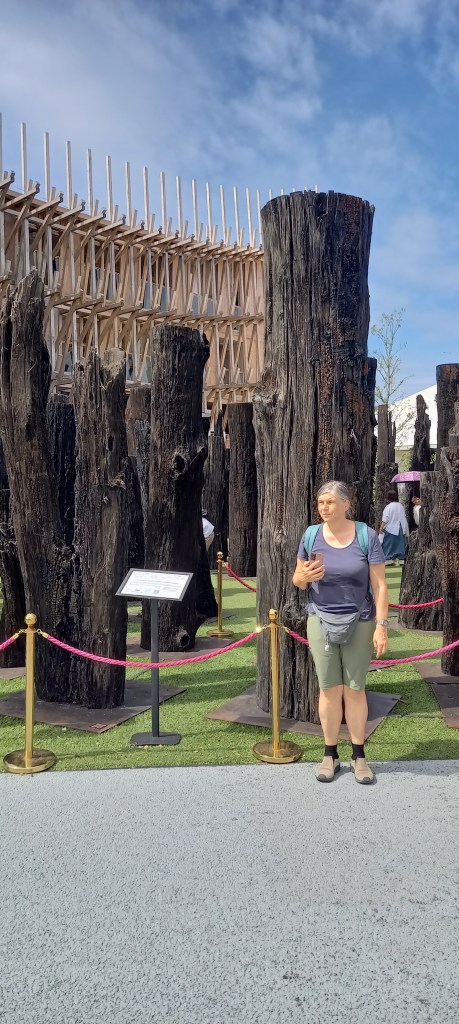
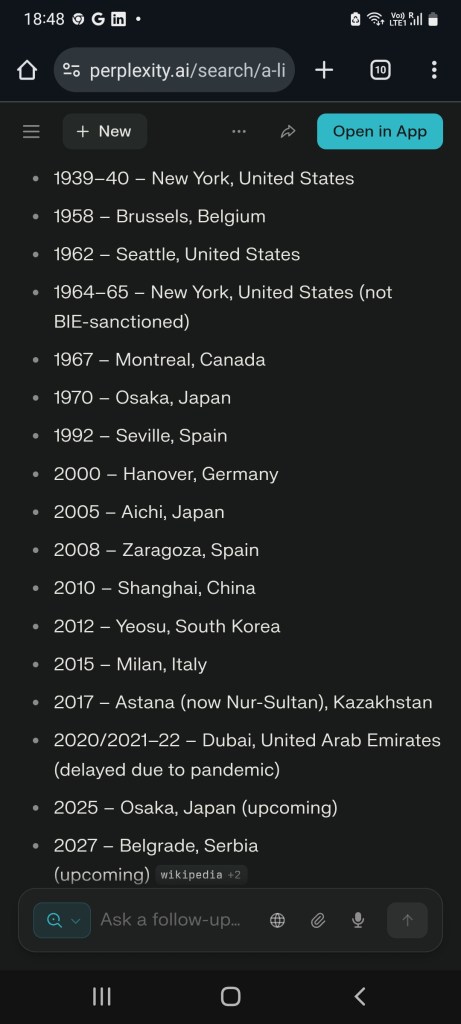
Day 13 and Day 14: Tradition and Modernity at World Expo in Osaka
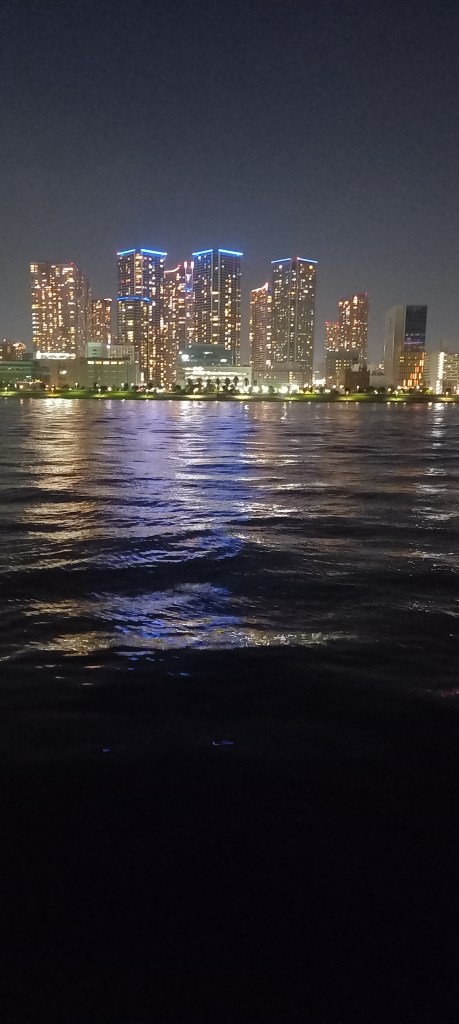
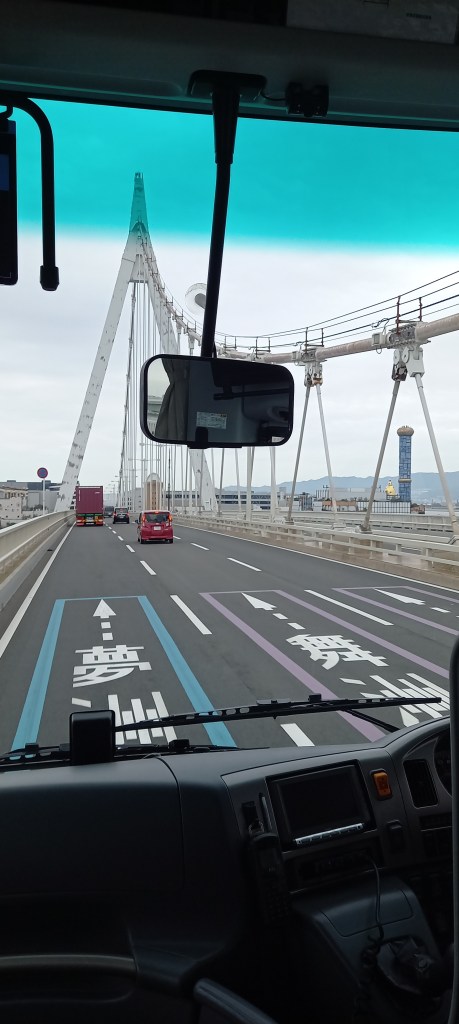
Finally, enjoy dinner on the water in Osaka Bay.

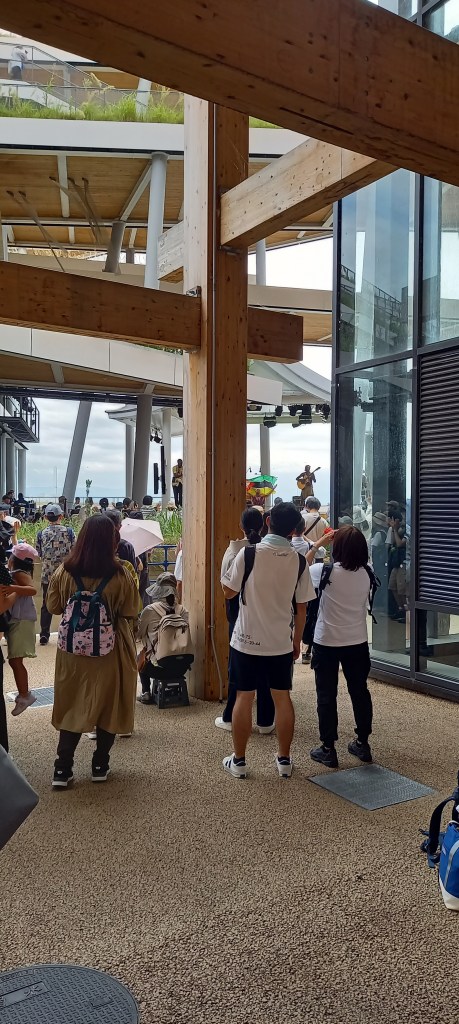
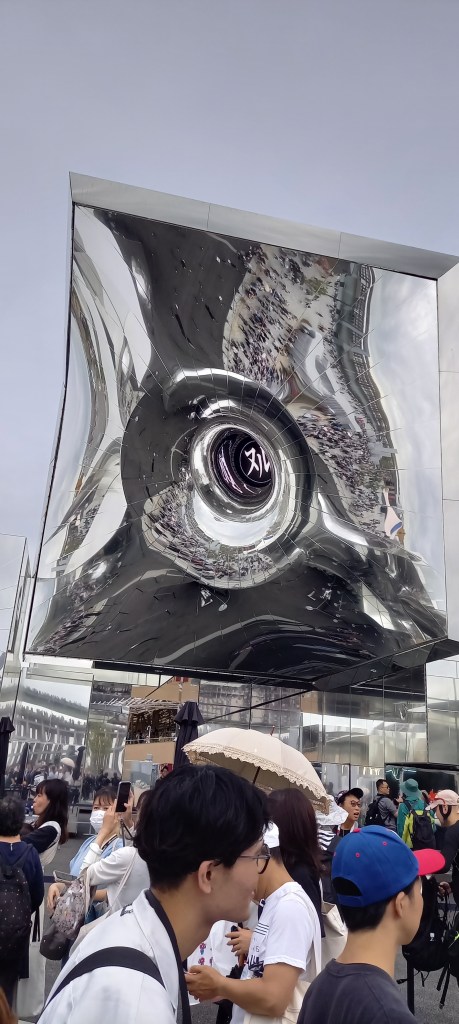
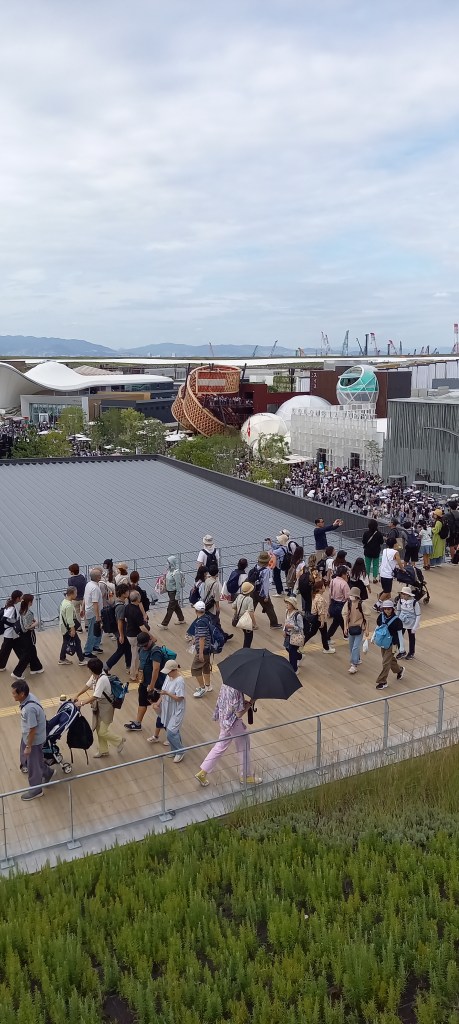
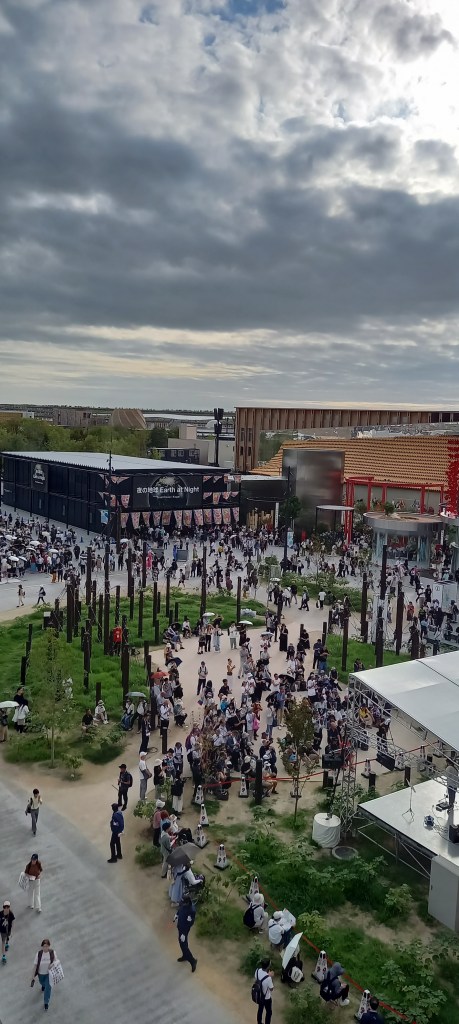

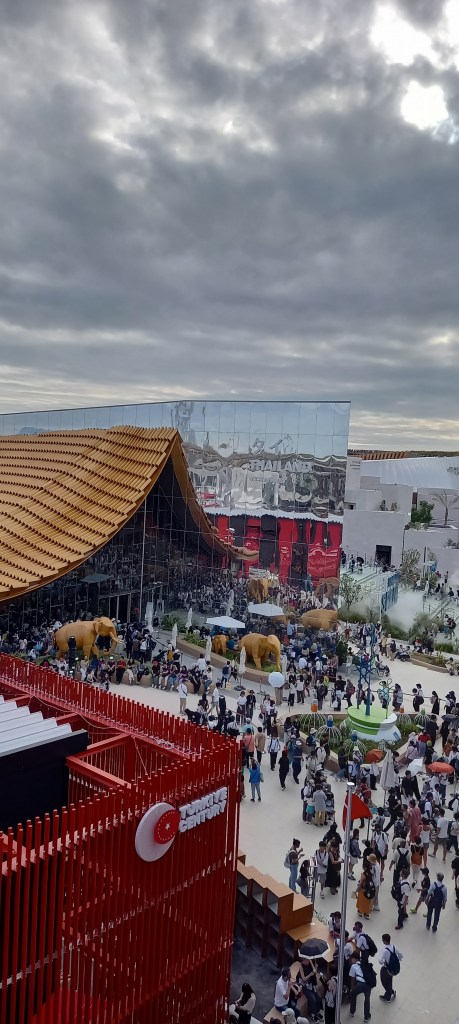
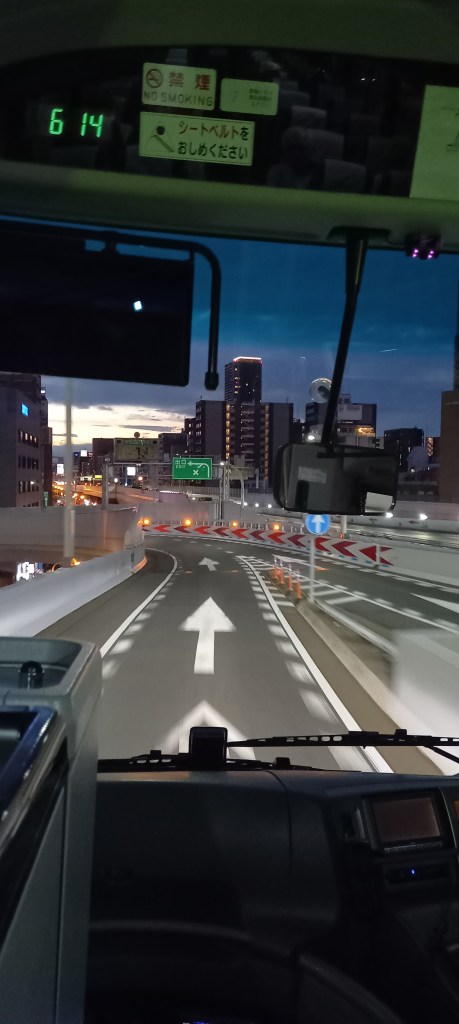
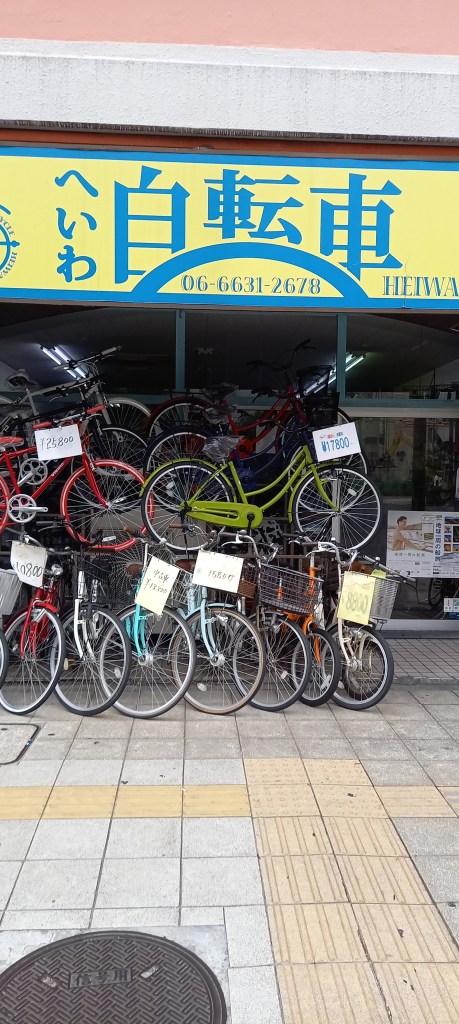
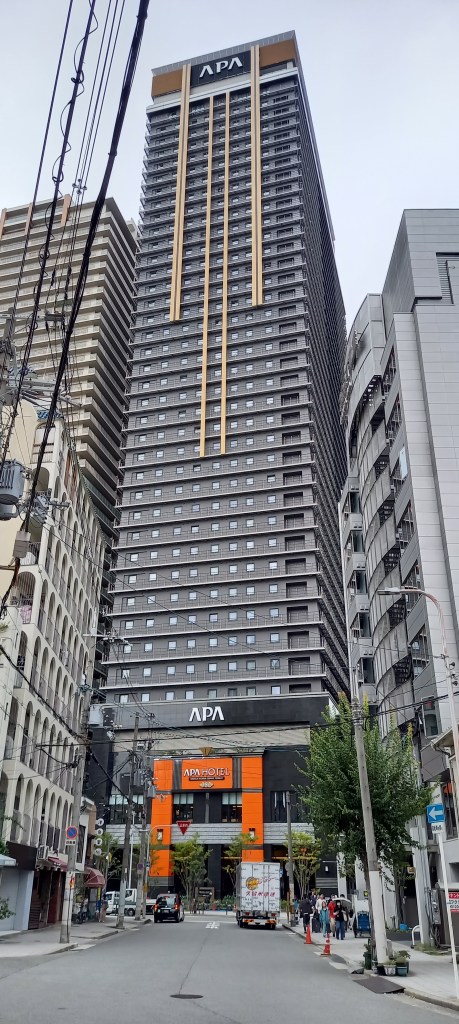
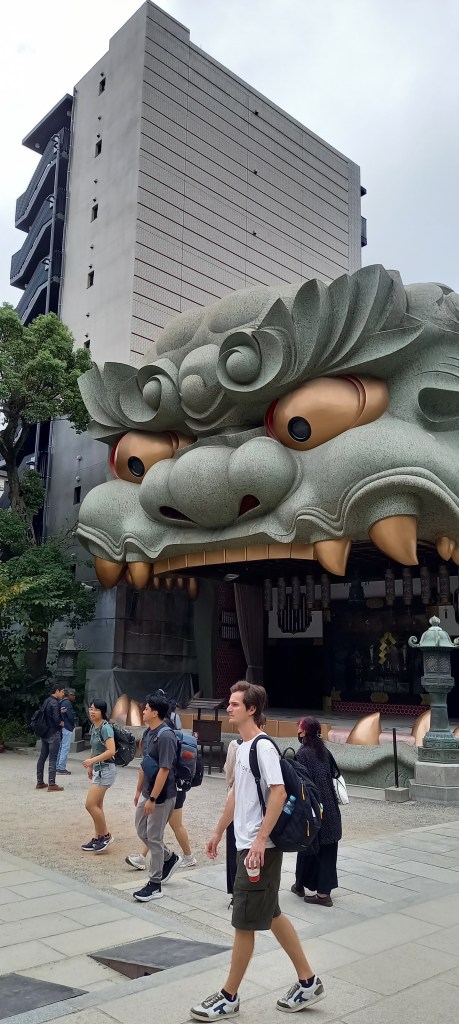
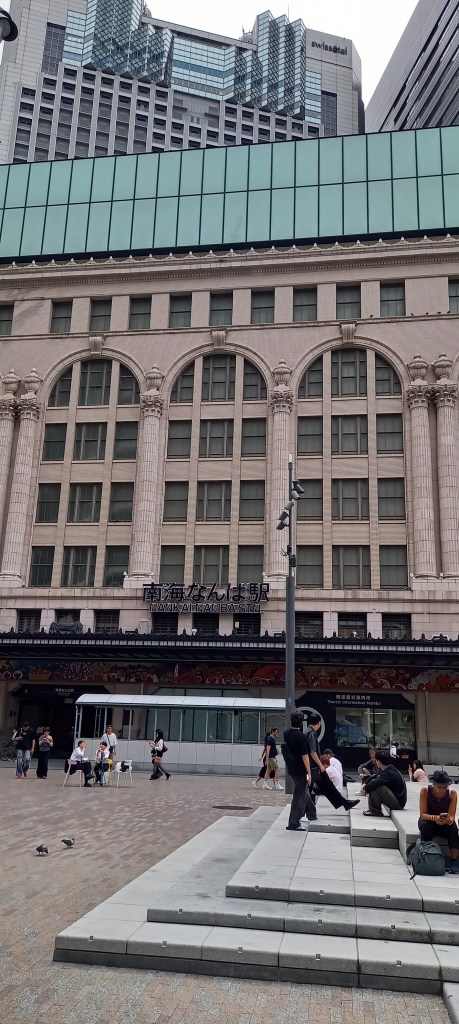
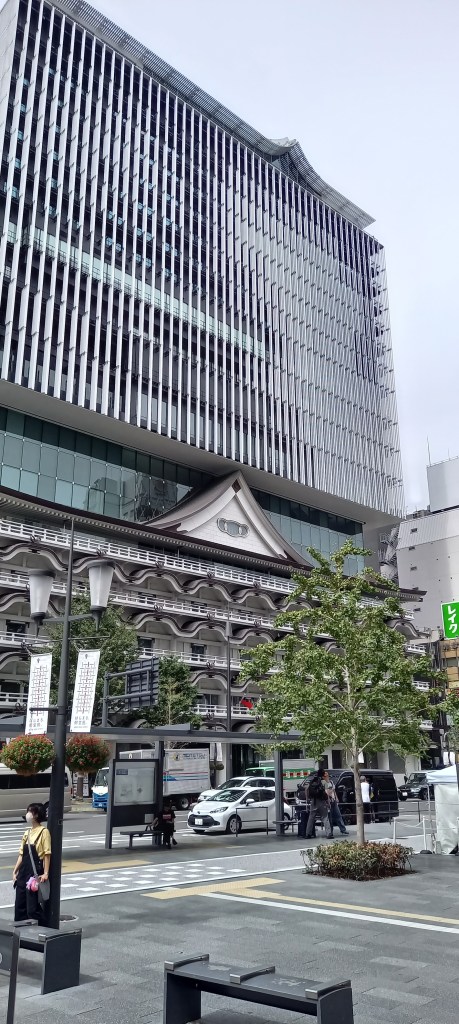

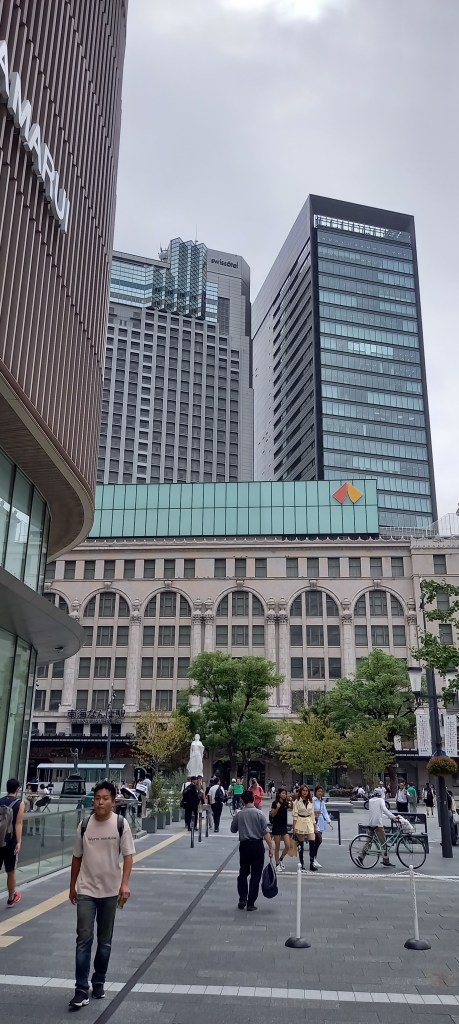
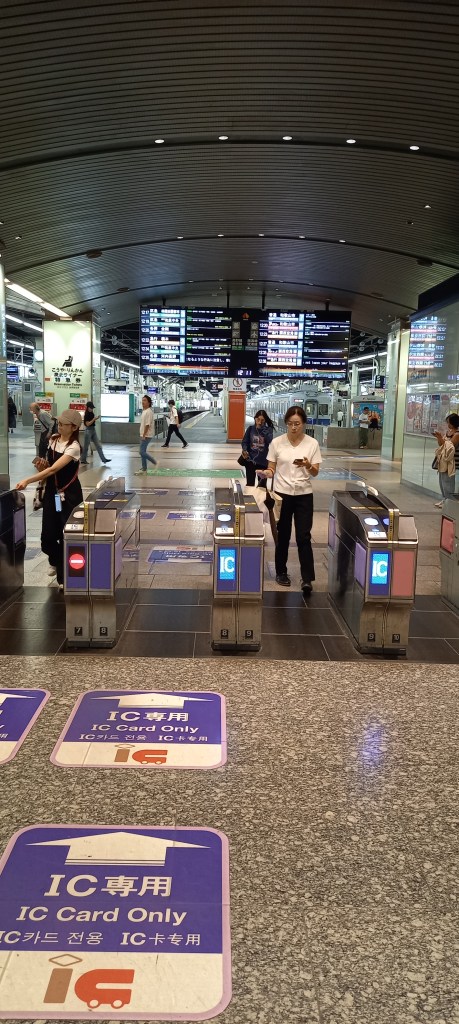
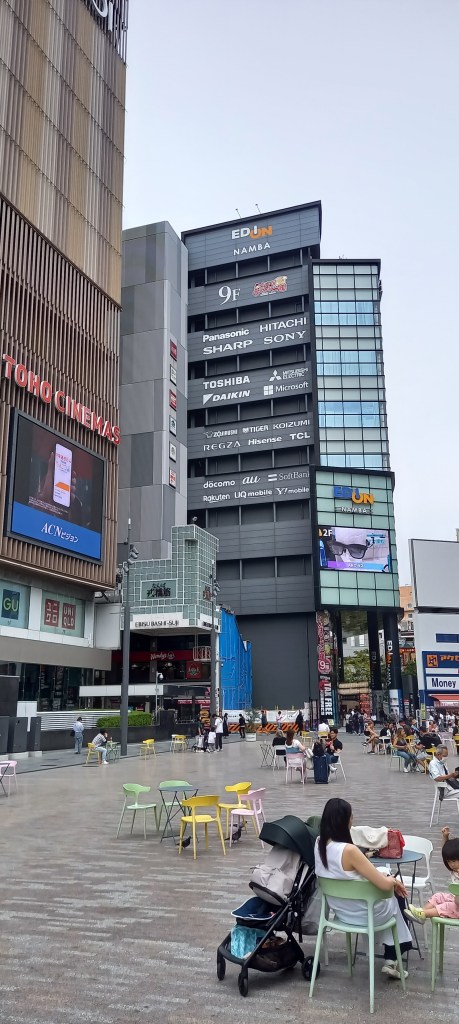
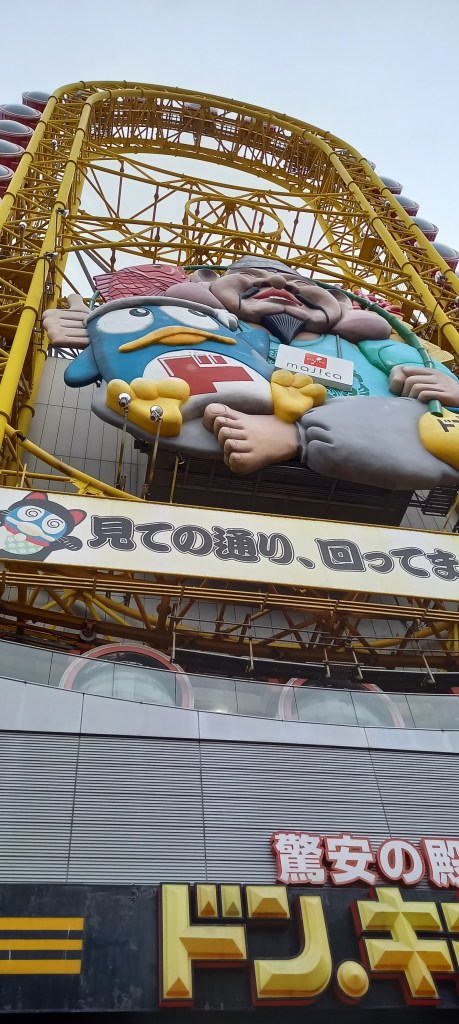
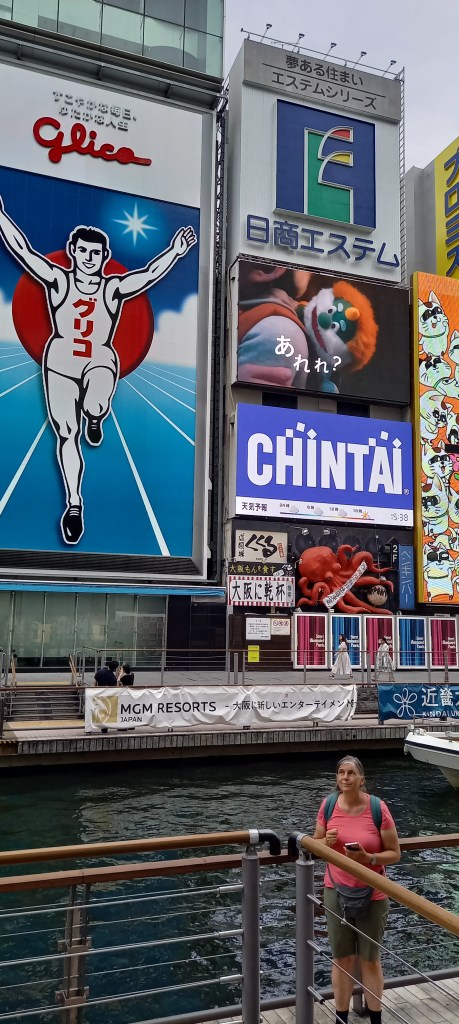
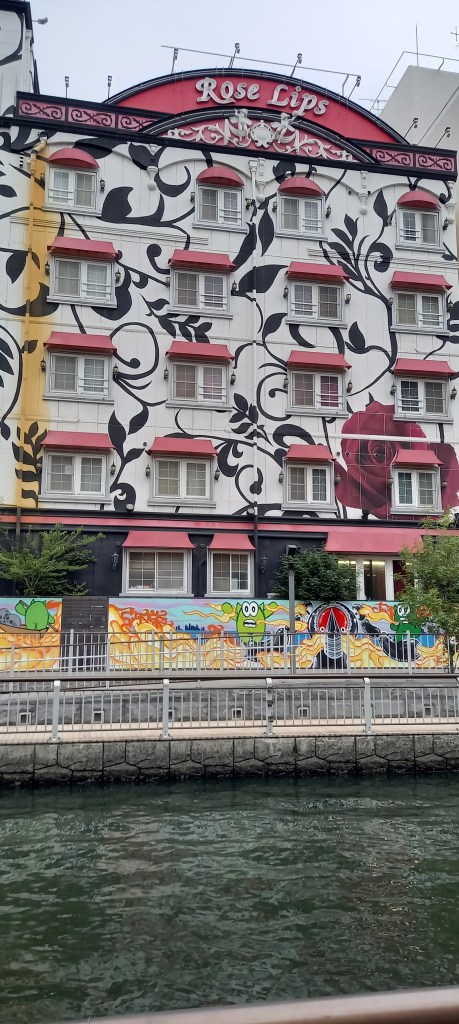
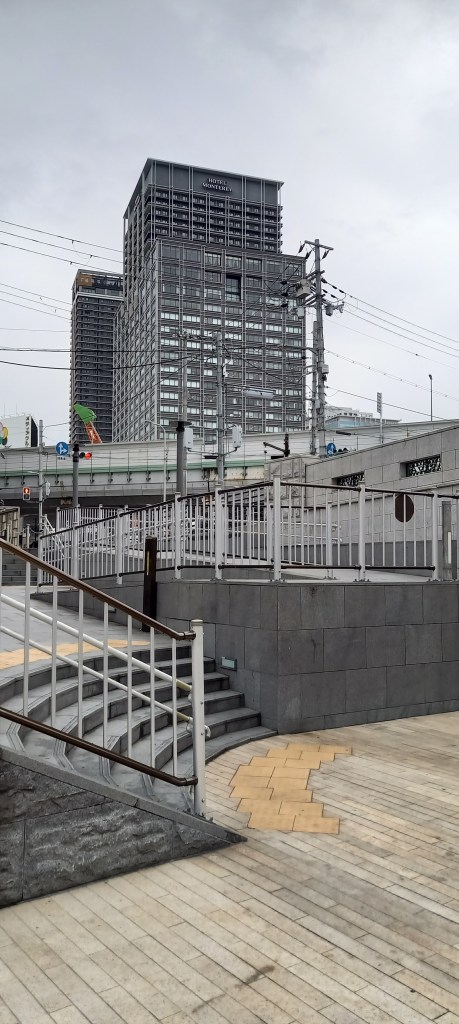
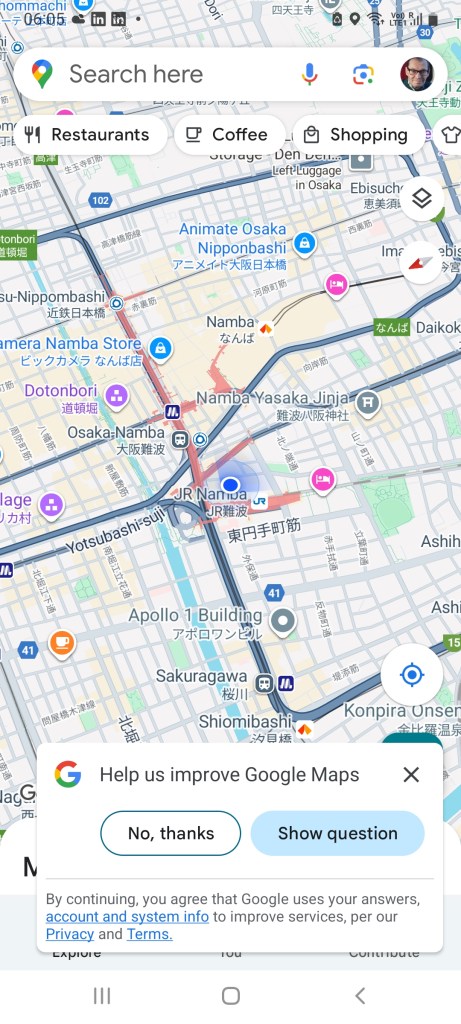

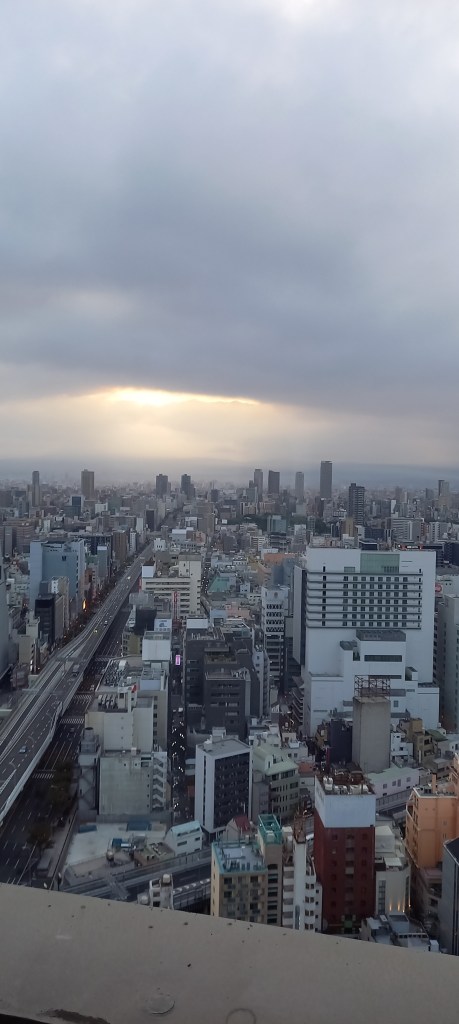

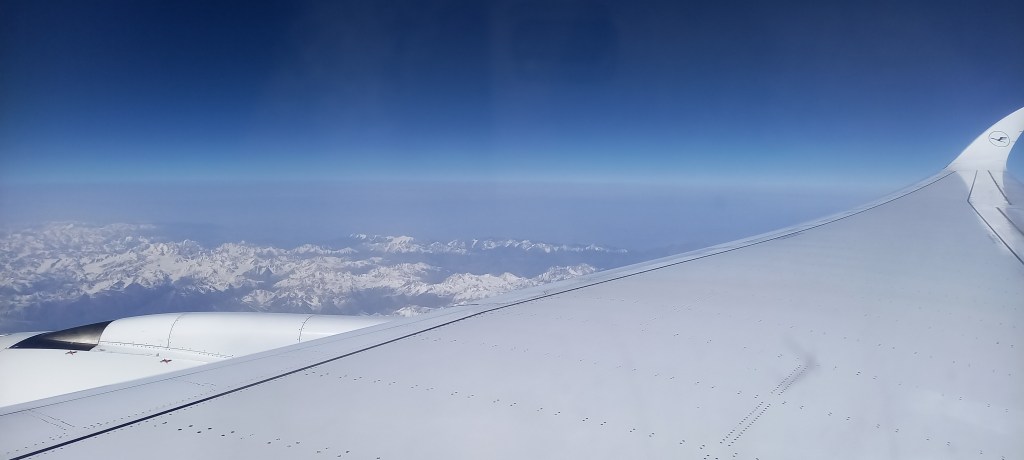
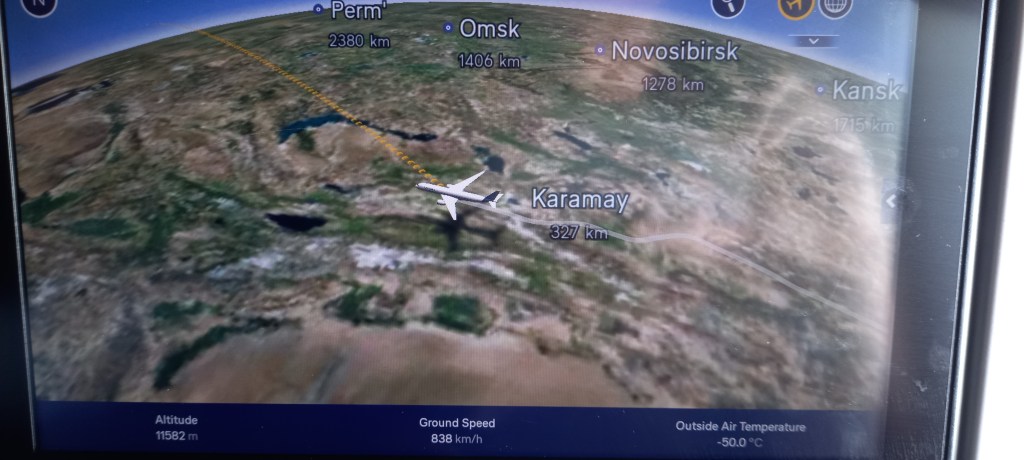


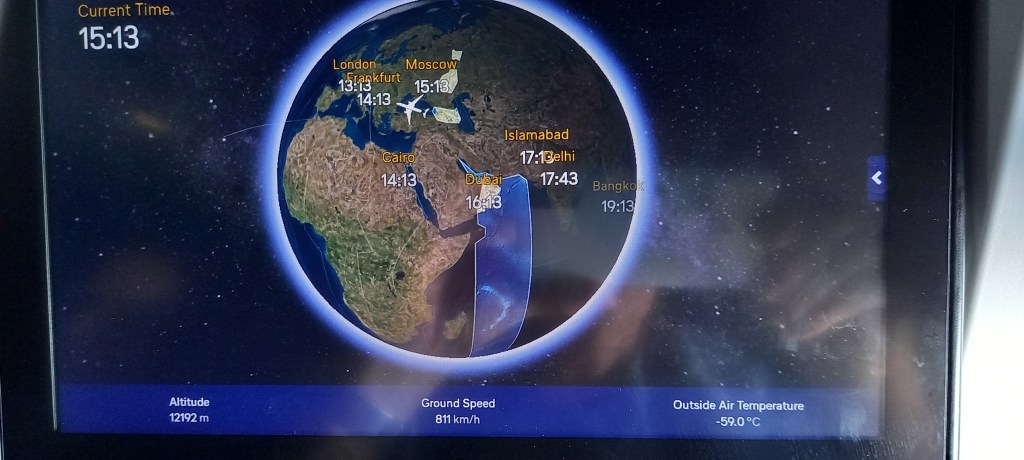
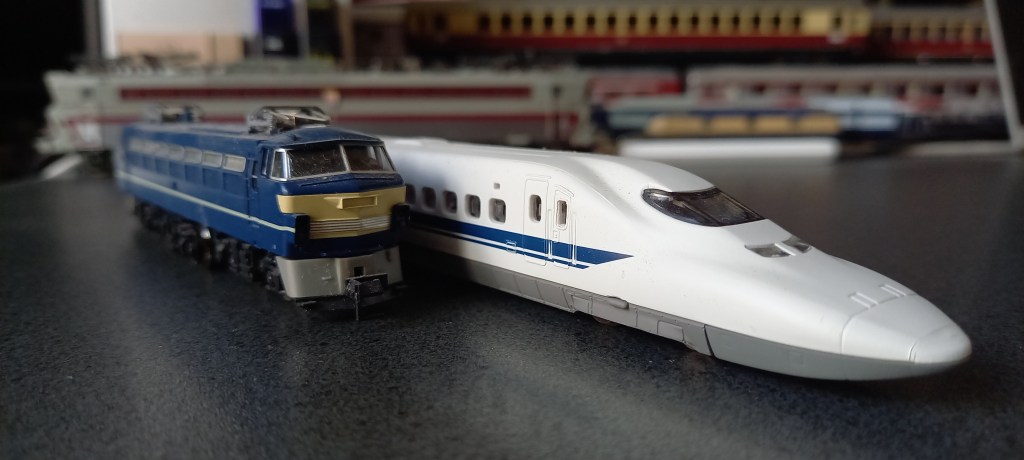
Nippon Official Pictures
Japan Quiz 6 Questions
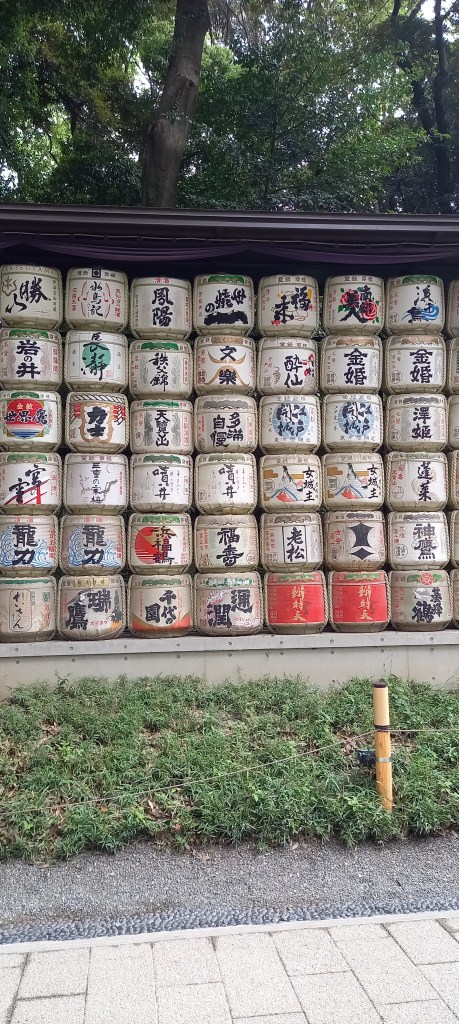

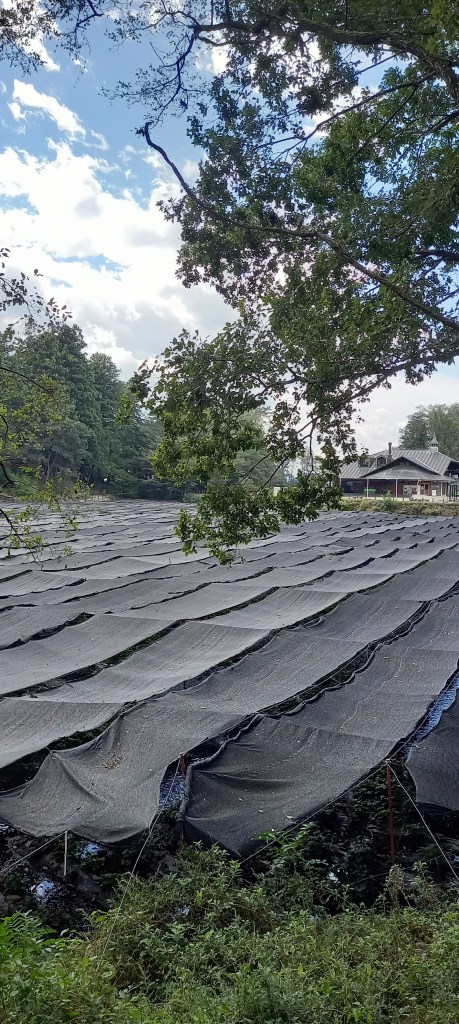

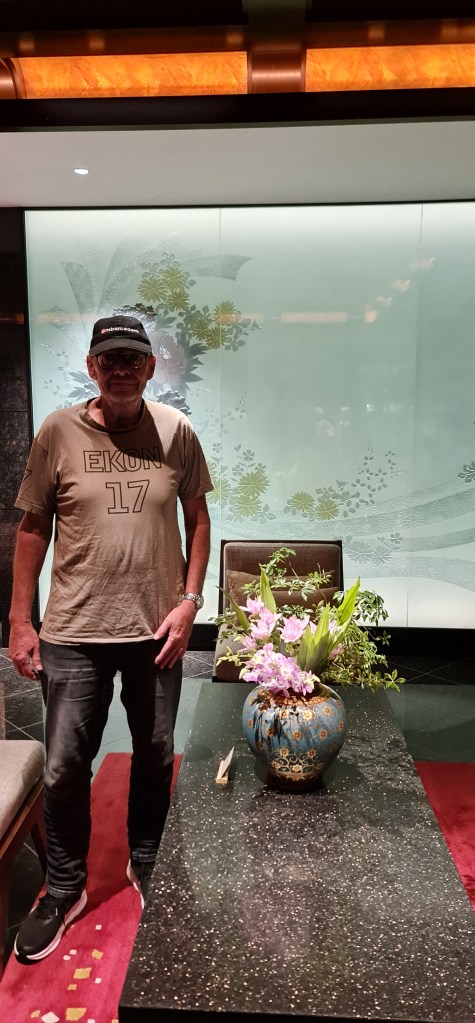
https://jakobsjapanisch.de/japanische-schrift/
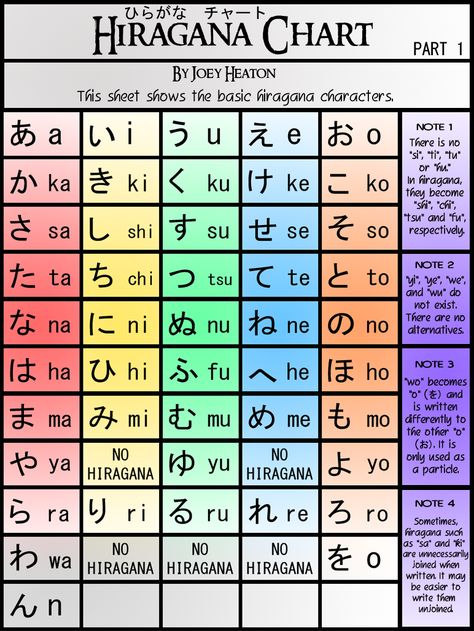
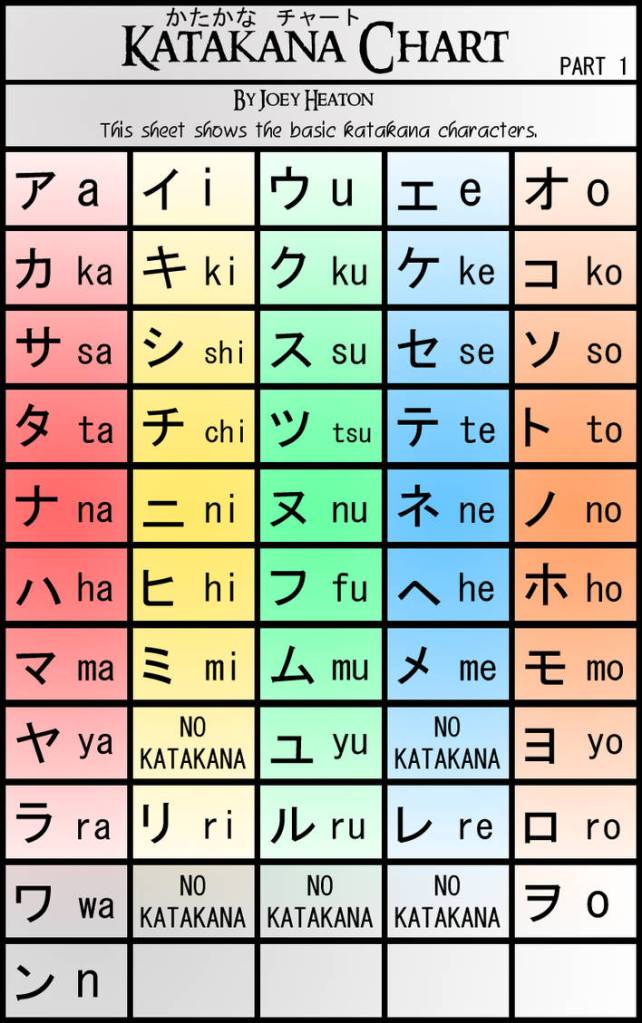
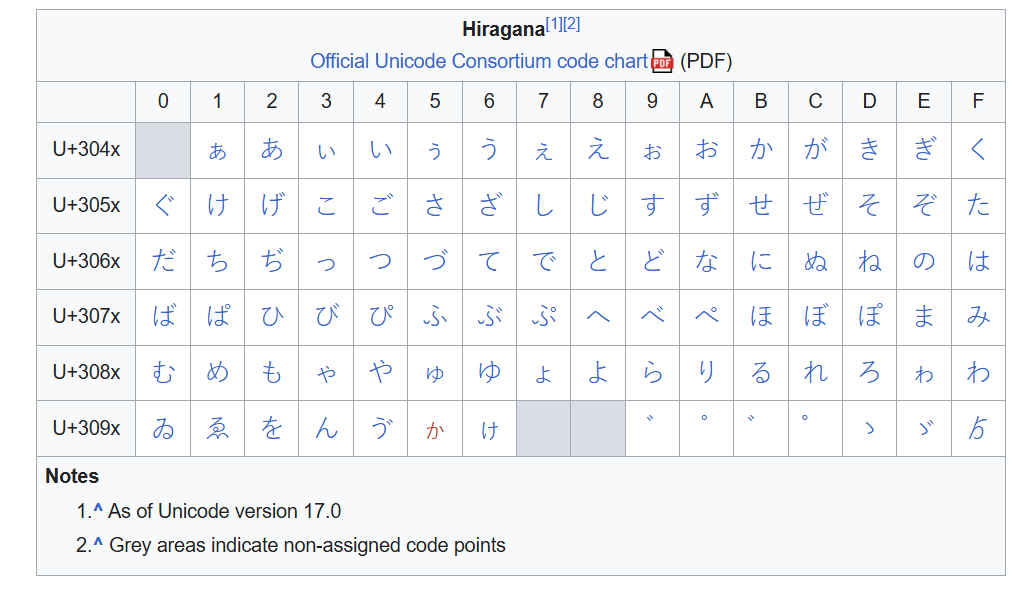
And then I was searching for an unicode enumerator and after 5h we got the JSONUnescape() function which was iterator enable:
writeln(JSONUnescape('\u3040\u3041\u3042\u3043\u963b\u9644',#1310));
//https://en.wikipedia.org/wiki/Hiragana_%28Unicode_block%29
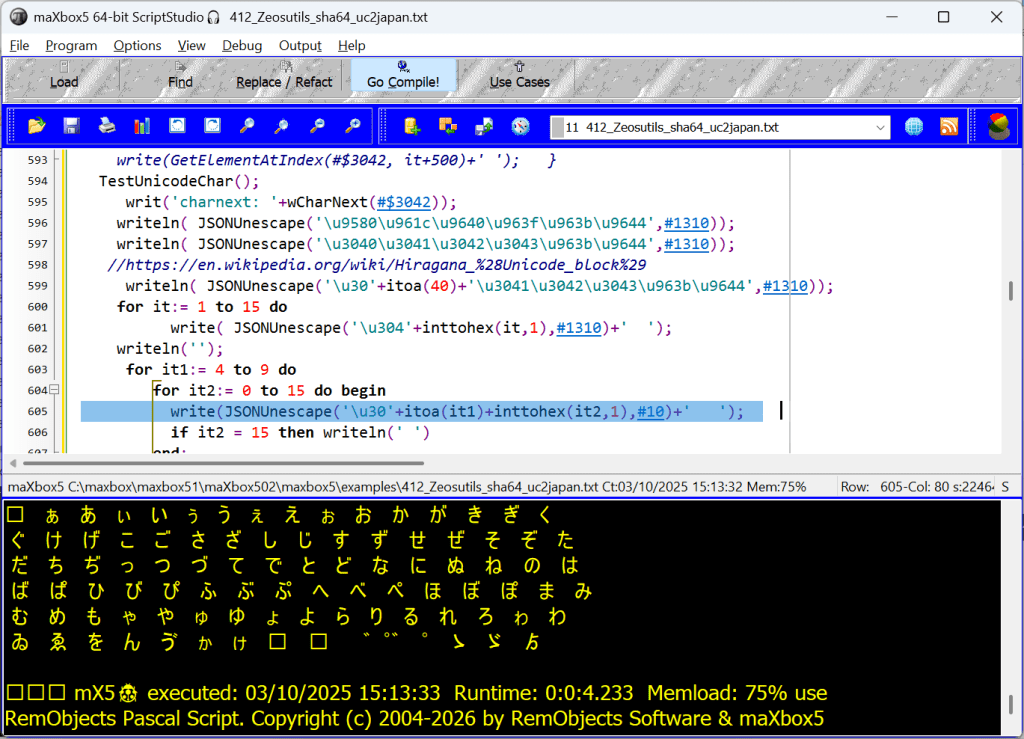
for it1:= 4 to 9 do
 for it2:= 0 to 15 do begin
   write(JSONUnescape('\u30'+itoa(it1)+inttohex(it2,1),#10)+'   ');
   if it2 = 15 then writeln(' ')
 end;
Katakana is a Unicode block containing katakana characters for the Japanese and Ainu languages.
//https://en.wikipedia.org/wiki/Hiragana_(Unicode_block)
for i:= 10 to 15 do
  for j:= 0 to 15 do begin
   write(JSONUnescape('\u30'+inttohex(i,1)+inttohex(j,1),#10)+'   ');
   if j = 15 then writeln(' ')
end;
Religion
Buddhism profoundly influenced the development of Shinto and
led to a long period of fusion between the two religions, known as
shinbutsu shūgō (神仏習合), which means “fusion of Shinto and Buddhism.”
After the introduction of Buddhism to Japan, many Shinto deities (kami) were viewed as manifestations or incarnations of Buddhas or Bodhisattvas, a theological view particularly prominent in the Tendai and Shingon Buddhist schools.
This syncretism led to Buddhist temples often being built next to Shinto shrines,
and rituals such as the transfer of spirit beings (bunrei) became widespread.
Conclusion
Buddhism influenced Shinto through syncretic fusion,
integration of religious concepts, and shared practical application over many centuries.
The clear separation came late in history and was politically motivated.
この習合により、仏教寺院は神社の隣に建てられることが多くなり、分霊(ぶんれい)などの儀式が広く行われるようになりました。
結論
仏教は、何世紀にもわたる習合、宗教概念の統合、そして実践の共有を通じて神道に影響を与えてきました。
明確な分離は歴史の後期に起こり、政治的な動機によるものでした。
Click to access Fuji-san_Japan_2025_code.pdf
 Breitschblog
Answers from the 5 Japan Quiz?
LikeLike
6. Hotel Sanraku, Kanazawa
LikeLike
recylce the cylcle – サイクルをリサイクルする
LikeLike